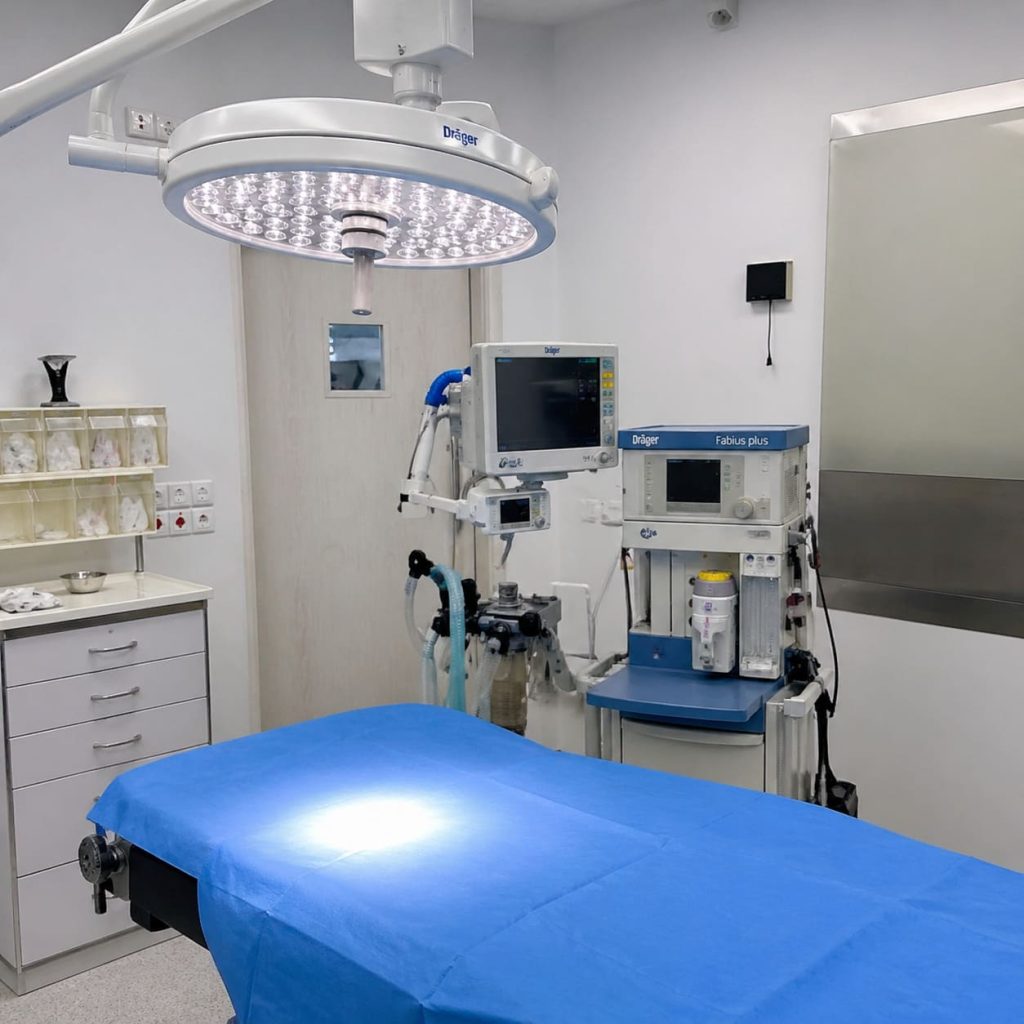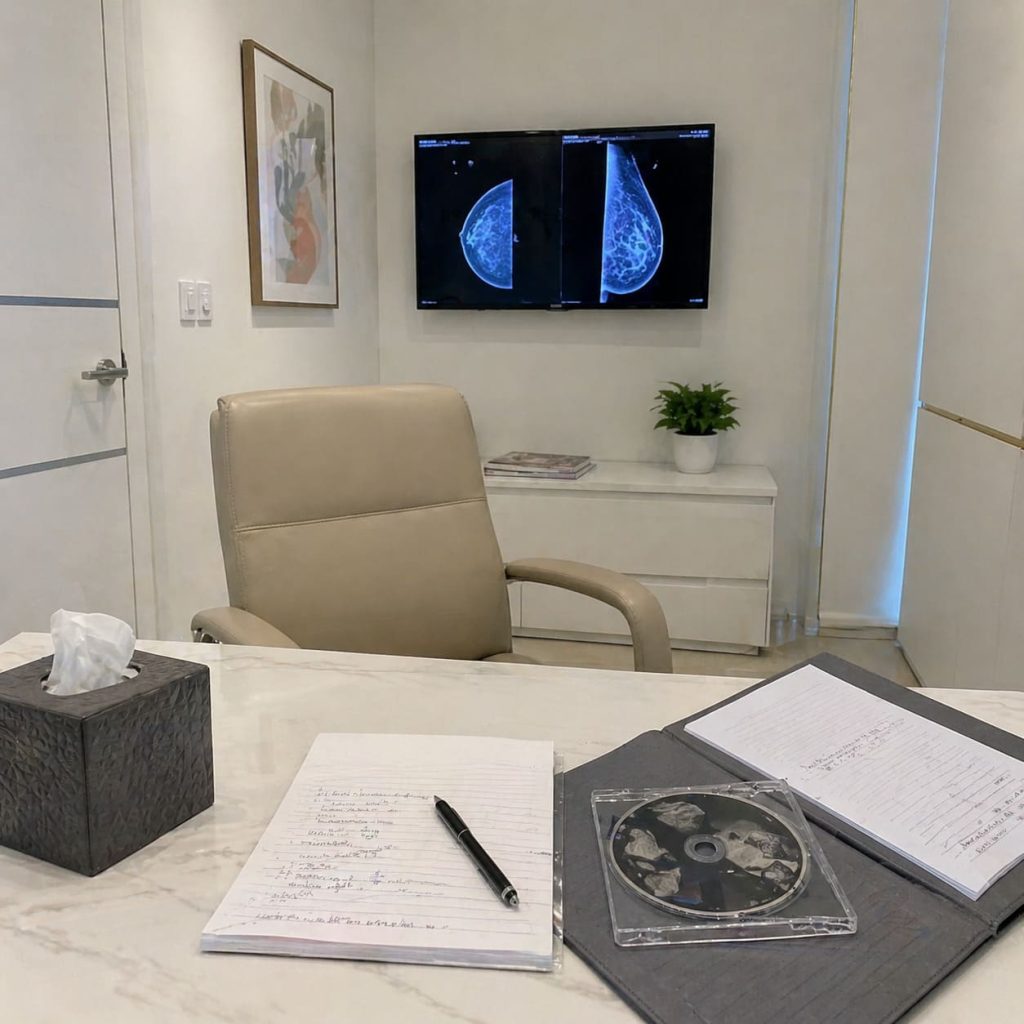
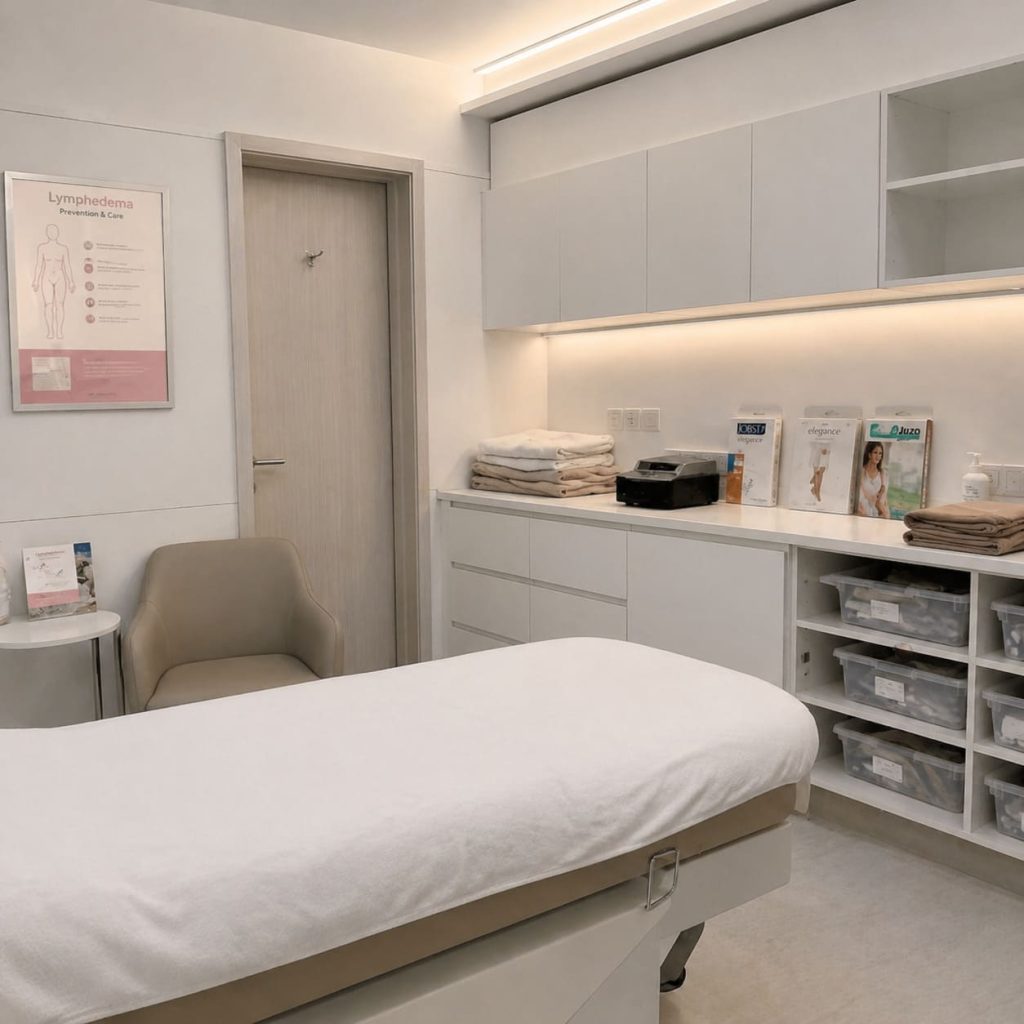
What does private breast screening in London include?
A private self-referral breast check in London may include a consultant consultation, a breast examination, a mammogram, breast ultrasound, or biopsy if an area needs tissue testing. We base the check on why you are attending, because symptoms need diagnostic assessment instead of starting with a scan alone.
Many people ask for a private mammogram in London because that is the test they have heard of. The better starting point is the reason for the check. A new lump, nipple change, skin change or breast pain needs a different clinical question from a routine check when you have no symptoms.
Self-referral means you can arrange a private breast clinic appointment without a GP referral. A good self-referral breast check still needs clinical structure. We start with the history, examine the breast, then decide whether imaging is needed and which test fits the finding.
A mammogram is an X-ray of the breasts. Breast ultrasound uses sound waves and is often used to look closely at a specific area. A needle biopsy means taking a small tissue sample for testing, and it is used only when examination or imaging finds something that needs a tissue diagnosis.
Screening is useful when it is part of a clinical pathway, because the scan result needs to answer the question that brought you to the clinic.

Screening and diagnostic assessment answer different clinical questions
Screening and diagnostic breast assessment are not interchangeable. Routine screening looks for early signs of breast cancer in people without symptoms, and diagnostic assessment investigates a symptom or clinical concern.
In England, GOV.UK states that the NHS Breast Screening Programme offers screening every 3 years to women aged 50 up to their 71st birthday, with women aged 71 and over able to self-refer every 3 years through their local Breast Screening Service. That national pathway is separate from a private self-referral appointment, although some tools, such as mammography, overlap.
Here is the practical difference.
| Routine screening | Diagnostic breast assessment |
|---|---|
| Used when you have no breast symptoms and want a check. | Used when you have a lump, nipple change, skin change, pain or another concern. |
| Usually starts with mammography. | Starts with clinical review and breast examination. |
| Further tests happen if the screening mammogram needs checking. | Mammogram, ultrasound or biopsy are selected around the symptom and findings. |
| The main question is whether screening has found something that needs assessment. | The main question is what is causing the symptom and what needs to happen next. |
A recent normal mammogram does not remove the need to assess a new breast symptom. The symptom sets the pathway, because a scan from another setting may not answer today’s clinical question.
Under 50, a breast concern can still need assessment. That does not mean routine mammography is automatically the first test, because age, breast tissue pattern and examination findings all affect the imaging choice.
Expert advice on breast cancer treatment, cosmetic breast surgery, and reconstruction options in London.
Book a ConsultationA consultant-led self-referral check follows a clinical sequence
Someone may self-refer because they have noticed a breast change, or because they want a check outside the NHS invitation cycle. At D B Ghosh Breast Surgeon Specialist in Cancer and Cosmetic Surgery, we treat that first appointment as a consultant-led breast assessment. Imaging is used when it answers a defined clinical question.
Most one stop breast clinic appointments last between 1 and 2 hours, depending on the tests required. The London clinic setting matters mainly because the consultation, breast imaging and biopsy pathway need to work together during the visit, not because every patient needs every test.
- We start with why you are attending. We ask about the breast concern, previous imaging, relevant medical history and family history. If you have implants or previous breast surgery, that detail matters for the assessment.
- A clinical breast examination follows. The examination gives the consultant breast surgeon a direct finding to match against the story you have given. A scan without this step can miss the clinical point.
- Imaging is chosen for the clinical question. Mammography, breast ultrasound or both may be used, depending on your age and the findings. A breast radiologist then interprets the imaging in that context.
- Biopsy is used when tissue testing is needed. A needle biopsy can be performed during the same appointment if an area needs further investigation. The clinic can use ultrasound-guided core biopsy or fine needle aspiration, which are ways of taking a sample from a targeted area.
- The appointment ends with an explanation. We explain what has been found, what is still waiting, and what the next clinical step is.
London one stop breast assessment may take place at sites such as The London Clinic in Devonshire Place, Marylebone, or the Rapid Diagnostic Centre on Harley Street, W1. The useful point for you is coordination: the breast surgeon, breast radiologist and clinical team need to be working from the same question.

Bring previous breast imaging and clinic letters to the appointment. Comparison with earlier results often helps the consultant interpret a new change more clearly.

Results matter because they guide the next decision
A breast test is only useful if the result is explained properly and acted on in the right way. At D B Ghosh Breast Surgeon Specialist in Cancer and Cosmetic Surgery, we separate imaging results from pathology results, because a mammogram or ultrasound can often be discussed sooner than a biopsy report.
Imaging results are available the same day in most cases. Full pathology results after biopsy are typically available within a few working days. That distinction matters, because tissue testing answers a different question from imaging.
Normal and benign results still need a clinical explanation
A normal result means the assessment has not found a concerning abnormality on the tests used. A benign result means a finding has been assessed as non-cancerous. Both outcomes should still come with advice on what to watch for and what to do if the breast changes again.
Benign does not mean the appointment was unnecessary. It means the clinical question has been assessed and the result can be put into context.
Unclear or suspicious results need tissue diagnosis and planning
An unclear result may need further imaging, biopsy or review with the wider team. A suspicious result needs a careful explanation of what is known, what is still being tested and how the next decision will be made.
GOV.UK defines triple assessment in the screening assessment pathway as clinical examination, additional imaging and a needle test. In private diagnostic assessment, the same principle is easy to grasp. A breast concern is safest when the examination, imaging and tissue diagnosis are brought together before firm planning.
A multidisciplinary team means specialists such as breast surgeons, radiologists, pathologists and cancer doctors review the findings together where breast cancer care is being planned. You do not need to manage that process yourself, but you should leave the appointment knowing who is responsible for the next explanation.
Write down when the symptom started and whether it has changed. That small detail can guide whether the next step is examination, imaging, or tissue testing.

The right questions test the pathway, not the speed
Before you choose a private breast check appointment, ask about clinical structure. A fast scan can be useful, but speed alone does not tell you whether the service can handle a symptom, arrange a biopsy if needed, or explain the result in a clinically safe way.
Useful questions include:
- Who assesses me before imaging? You want to know whether a consultant breast surgeon is reviewing the symptom and examining you, rather than sending you straight for a scan.
- Who reports the mammogram or breast ultrasound? Breast imaging should be interpreted by a breast radiologist, with the report tied back to the clinical finding.
- What happens if biopsy is needed during the appointment? The answer should be clear about whether needle biopsy is available and how pathology results are explained later.
- Can the clinic assess symptoms as well as routine checks? A lump or nipple change belongs in diagnostic assessment, not a basic screening-only pathway.
- Bring previous mammograms, ultrasound reports, clinic letters and a note of your symptoms if you have them. Those details help the team compare current findings with past information.
Two common approaches sit side by side. A scan-first appointment answers a narrow imaging question and can leave you unsure what the result means for your symptom. An assessment-first pathway starts with the clinical problem, selects the right test and ties the result to a plan, which gives better long-term clarity when the decision matters.

Expert breast surgery advice from a leading London consultant with over 30 years of experience.
Book ConsultationQuestions we get asked about private breast checks in London
Can I attend a private breast clinic without a GP referral?
Yes, self-referral for a private breast clinic appointment is possible. A GP letter can still be helpful if you have one, but it is not always required for a private self-referral breast check.
Will every appointment include both a mammogram and ultrasound?
No. Mammography, breast ultrasound or both are chosen around your age, symptoms, examination findings and previous imaging.
Does every one stop breast clinic appointment include a biopsy?
No. A biopsy is used when examination or imaging finds an area that needs tissue testing, so many appointments do not need one.
Can I ignore a new lump after a recent normal mammogram?
No. A new breast lump or new breast change should be assessed, even if recent screening was normal, because the new symptom needs its own clinical review.
Can women aged 71 and over still use NHS breast screening?
Yes. GOV.UK states that women aged 71 and over may self-refer every 3 years by contacting their local Breast Screening Service.
This is general information, not medical advice.