
Mastectomy Surgery in London
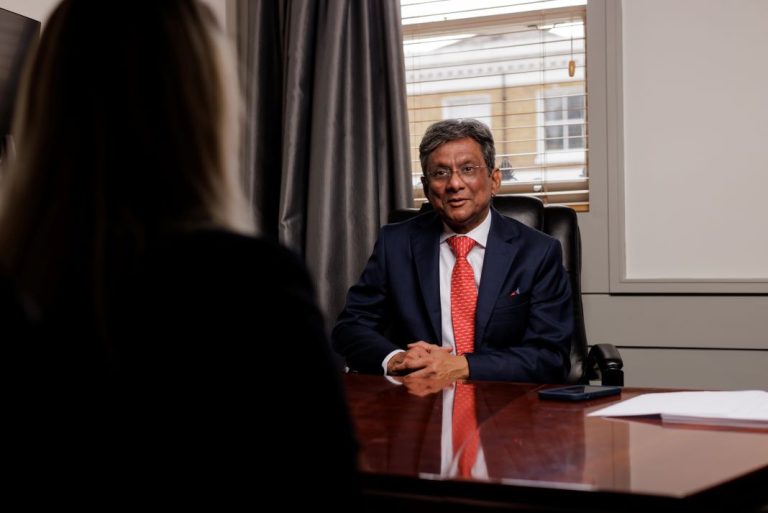
Being told you need a mastectomy can feel like one fixed operation. In fact there are several types, and Mr Debashis Ghosh plans and performs yours himself, with cancer safety and breast shape considered together from the start.
- Simple, skin-sparing and nipple-sparing options
- Your mastectomy and any reconstruction planned by one consultant
- Dual certified by the European Board of Surgery in breast surgery and surgical oncology
- Seen privately or on the NHS, with no GP referral needed for private care
Find the Information You Need
Use the links below to go straight to the topic that matters most to you. Each section covers a different part of the mastectomy pathway.
What a Mastectomy Involves
A mastectomy is an operation to remove all the breast tissue, most often to treat breast cancer and sometimes to reduce the risk of it. Mr Debashis Ghosh is a consultant breast surgeon in London who performs mastectomy surgery at The London Clinic, and leads your care from first assessment to surgery.
A mastectomy is not one fixed operation. There are several types, and the right one depends on your cancer, your breast, and what matters to you.
Your options are explained in clinic by Mr Ghosh, not by a junior member of the team. He assesses you, talks through the choices, and plans the surgery he will carry out.
Reasons a Mastectomy May Be Recommended
A mastectomy may be recommended when breast-conserving surgery is unlikely to remove the cancer safely or give a good result. This can be the case with a larger cancer, with more than one area of cancer in the same breast, or when a cancer comes back after earlier surgery. It is also an option for some people at high genetic risk.
Around 56,000 people are diagnosed with breast cancer in the UK each year, according to Cancer Research UK, and not all of them will need a mastectomy. For many early breast cancers, breast-conserving surgery is an option instead, which removes the cancer and a margin of healthy tissue around it. For suitable cancers, research shows that long-term outcomes from the two approaches are broadly similar. Which one is right for you depends on the type and position of the cancer and your own wishes.
A question we are often asked in clinic is whether a mastectomy is always necessary. It is not, and Mr Ghosh will explain honestly when it is the better option and when it is not.
Types of Mastectomy
The main types remove the breast tissue in different ways. Mr Ghosh will explain which one suits your situation.
Simple (total) mastectomy
Removes all the breast tissue, including the nipple and the skin over the breast. It is the most common type used to treat breast cancer.
Skin-sparing mastectomy
Removes the breast tissue but keeps most of the breast skin. This can help if you are having reconstruction at the same time.
Mr Ghosh can discuss whether risk-reducing surgery is appropriate during a consultation. If genetic counselling has not yet taken place, he can arrange a referral.
Nipple-sparing mastectomy
Keeps the skin and the nipple, and removes only the tissue underneath. A question patients often ask is whether the nipple can be saved. In many early cancers it can, though it depends on the size and position of the cancer.
A mastectomy can be done on one side (unilateral) or both sides (bilateral). Some people at high genetic risk choose surgery before any cancer develops, and you can read about risk-reducing mastectomy for BRCA carriers on our dedicated page. Most people having a mastectomy for cancer also have a sentinel node biopsy, which checks whether the cancer has spread to the lymph nodes under the arm.
Reconstruction, or Not
If you would like reconstruction, it can be done at the same time as your mastectomy or months or years later. It can use an implant or your own tissue, such as a DIEP flap taken from the tummy. Because Mr Ghosh plans the cancer surgery and the reconstruction together, your shape is considered from the start.
Choosing not to have reconstruction is an equally valid choice, and many people are happy with it. You do not have to decide before your mastectomy. You can read more about reconstruction after your mastectomy when you are ready.
Book a Consultation
Talk your options through with the consultant who will carry out your surgery. Private and NHS patients welcome. No referral needed for private care.
From First Consultation to Recovery
1. Your consultation
You see Mr Ghosh, who examines you and explains your options. Where it helps, this can happen alongside same-day breast assessment, with imaging and results in one visit.
2. Planning your surgery
Mr Ghosh confirms the type of mastectomy, whether you need a sentinel node biopsy, and whether you would like reconstruction. Your plan is made with you, not for you.
3. Team review
Your case is discussed at a multidisciplinary team meeting, where breast surgeons, radiologists, oncologists and pathologists agree the safest plan. Mr Ghosh co-chairs this meeting at Harley Street.
4. Your operation
Surgery takes place at The London Clinic under general anaesthetic. A mastectomy on its own usually takes one to two hours, and longer if you have reconstruction at the same time. Most people stay in hospital for one to two nights, and longer after tissue-based reconstruction.
5. Recovery and follow-up
Many people return to light daily activities within two to three weeks. Fuller recovery usually takes four to six weeks, and longer if you had reconstruction. You may have a drain for a week or two, and some numbness across the chest that can last. A breast care nurse supports you throughout, and Mr Ghosh sees you at follow-up. For a fuller picture, read what recovery looks like week by week.
What Sets Our Mastectomy Care Apart
One consultant, start to finish
The surgeon who assesses you is the surgeon who operates. You are not passed to a junior for your assessment or your planning.
Dual board certification
Mr Ghosh is certified by the European Board of Surgery in both breast surgery and surgical oncology. Most surgeons hold one, not both.
Shape considered with safety
As an oncoplastic surgeon, Mr Ghosh plans your reconstruction options, including DIEP, alongside the cancer surgery rather than as a separate step later.
Senior clinical judgement
Mr Ghosh advises NICE, the body that sets NHS standards, on breast surgery, and is Divisional Director for Surgery at The London Clinic.


Rated 4.96 out of 5 from 98 Verified Patient Reviews on Doctify
Doctify reviews are verified, which means only genuine patients can leave them. They cannot be bought or edited.
Mr Debashis Ghosh is a consultant breast and oncoplastic surgeon with over 30 years of experience. He holds Fellowship of the Royal College of Surgeons and dual certification from the European Board of Surgery in breast surgery and surgical oncology. He was formerly Clinical Lead for Breast Services at the Royal Free Hospital, and is now Divisional Director for Surgery at The London Clinic.
For your mastectomy, Mr Ghosh leads every stage himself, from your first assessment to your operation and follow-up.
- Over 30 years in breast surgery
- Dual European Board certification
- NICE expert adviser in breast surgery
- Board Certification in Cosmetic Breast Surgery through RCS England
- Speaks English, Hindi, Urdu and Bengali
Where to Find Us in London
Local London Clinics
Breast reconstruction consultations and surgery take place at leading London hospitals with fast access to imaging, theatres and specialist nursing.
Posted onTrustindex verifies that the original source of the review is Google. I am so happy I chose Mr Debashis Ghosh and his team. I had cosmetic breast surgery and it is everything and more than I wanted. I trusted him completely and I am so thankful I did. The entire staff are lovely and make you feel comfortable and confident. If I could give more than 5 stars I would.Posted onTrustindex verifies that the original source of the review is Google. Dr Ghosh changed my confidence completely. He listens very well and makes you feel supported. I had breast reconstruction and the recovery went very well. He helps you reach realistic goals and the results have been life changing.Posted onTrustindex verifies that the original source of the review is Google. I recently visited Dr Ghosh for a consultation regarding cosmetic breast surgery and I couldn’t be happier. He took the time to understand my goals and explained what was realistically achievable. A few weeks on I am thrilled with how everything looks.Posted onTrustindex verifies that the original source of the review is Google. Visited Dr Ghosh for breast care and he was absolutely amazing. Very thorough and helpful in deciding the right option for me. I would recommend him to anyone considering breast surgery.Posted onTrustindex verifies that the original source of the review is Google. Amazing doctor and amazing staff.Posted onTrustindex verifies that the original source of the review is Google. I love love love this clinic and Dr Ghosh. I felt very welcomed the moment I walked in. Dr Ghosh made me feel comfortable and explained my breast surgery clearly.Posted onTrustindex verifies that the original source of the review is Google. From the moment I walked in the staff made me feel comfortable and welcome. Dr Ghosh was kind patient and took time to answer all of my questions without making me feel rushed. The nurse and coordinator were also very helpful. The whole experience was smooth supportive and professional from start to finish.Posted onTrustindex verifies that the original source of the review is Google. Great service at the Harley Street clinic. The staff are friendly knowledgeable and scheduling appointments was easy.Posted onTrustindex verifies that the original source of the review is Google. I had a very positive experience at this clinic. Everything was explained clearly and I felt well looked after throughout my appointments.Posted onTrustindex verifies that the original source of the review is Google. Dr Ghosh and his team provided an incredible experience from start to finish. During the consultation he truly listened to my concerns and goals and provided honest recommendations. Surgery and follow up care were well organised and supportive. I couldn’t be happier with my decision.
Frequently Asked Questions About Mastectomy Surgery
How long does a mastectomy take?
A mastectomy usually takes one to two hours. It takes longer if you have reconstruction at the same time. Your operation is under general anaesthetic at The London Clinic.
How long will I stay in hospital after a mastectomy?
Most people stay one to two nights after a mastectomy. A stay is usually longer after tissue-based reconstruction, such as a DIEP flap. Mr Ghosh will tell you what to expect before your surgery.
Can I have reconstruction at the same time as my mastectomy?
Yes, reconstruction can often be done at the same time as your mastectomy, which is called immediate reconstruction. It can also be done later, which is called delayed reconstruction. Both are options, and Mr Ghosh will help you weigh them up.
Do I have to have reconstruction after a mastectomy?
No. Choosing not to have reconstruction is an equally valid choice, and many people are happy with it. You can decide in your own time, and you can change your mind later.
Will I need chemotherapy or radiotherapy after a mastectomy?
This depends on your cancer, and your team will advise you. Chemotherapy and radiotherapy are given by oncology colleagues, not by Mr Ghosh. Your case is discussed by the multidisciplinary team before any plan is agreed.
Do I need a GP referral to see Mr Ghosh privately?
No, private patients do not need a GP referral. You can book a consultation directly by phone or online. NHS patients are seen through the Royal Free Hospital.
Will I lose feeling in my chest after a mastectomy?
Some numbness across the chest is common after a mastectomy, and it can be long-lasting. Feeling returns in part for some people over time. Your surgeon will talk you through what to expect.
Still have questions? Let’s discuss!





One Decision at a Time
You do not have to decide everything at once. Reconstruction can wait, or it may not be for you at all, and that is fine. What matters first is a clear plan from the consultant who will carry it out.
To talk through your options with Mr Ghosh, book a consultation at our Harley Street clinic or by video call.