

Breast Reconstruction Surgery in London – Rebuilding Shape, Confidence and Wellbeing After Mastectomy
Losing a breast to cancer or risk-reducing surgery changes how you see yourself. Breast reconstruction gives you a way to restore that. It is not about perfection. It is about feeling whole again, on your own terms.
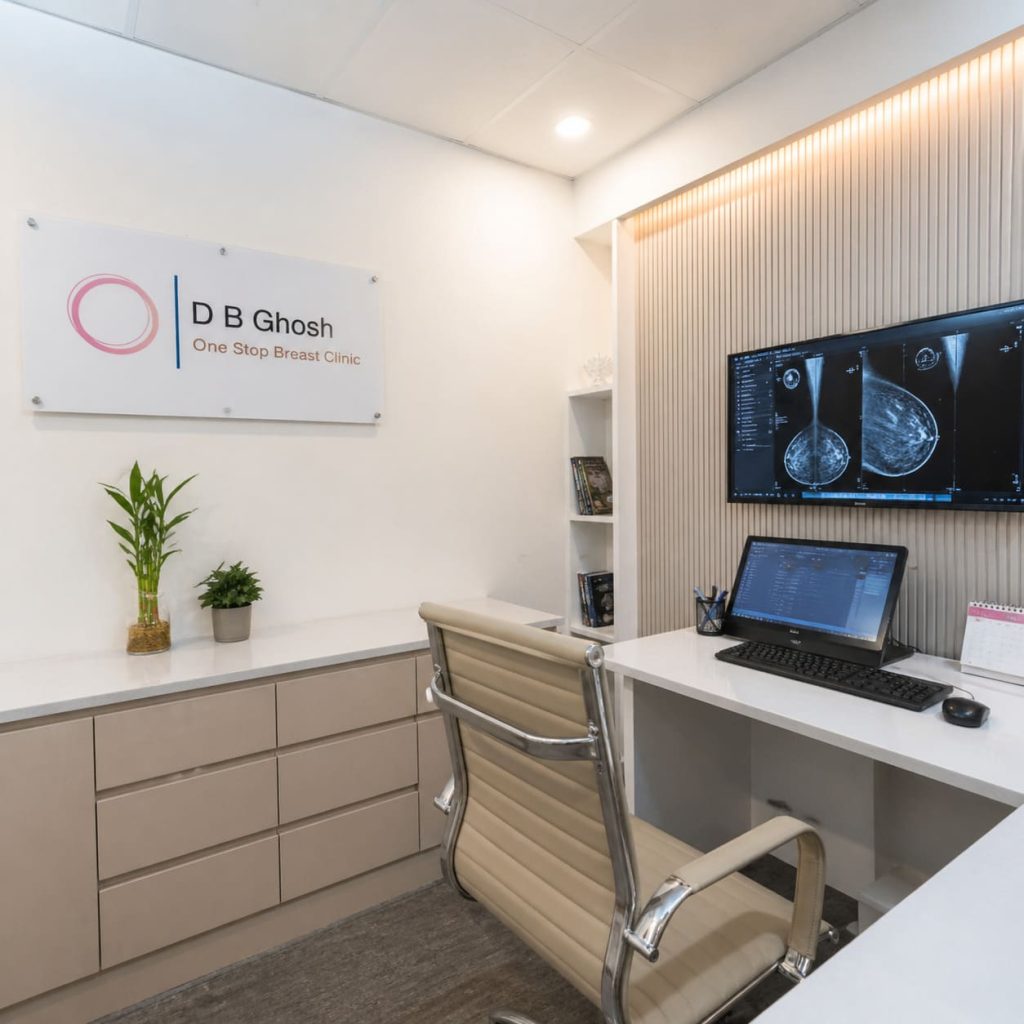
At our Harley Street clinic, Mr Debashis Ghosh offers the full range of breast reconstruction techniques, from implant-based surgery to advanced microsurgical flap procedures. Every plan is shaped around your body, your treatment history and your personal goals. Whether you want reconstruction at the same time as your mastectomy or months or years later, the team will guide you through each step with honesty, skill and care.
- Immediate and delayed reconstruction available
- Implant, flap and oncoplastic techniques
- Consultant-led care from a specialist oncoplastic surgeon
- NHS and private pathways offered
- RCS England Board Certification in Cosmetic Breast Surgery
Find the Information You Need
Use the links below to go straight to the topic that matters most to you. Each section covers a different part of the reconstruction journey.
What Is Breast Reconstruction and Who Is It For?
Breast reconstruction is surgery to rebuild the shape of one or both breasts after a mastectomy, a large lumpectomy or risk-reducing breast removal. The aim is to create a natural-looking breast that sits well with your body and helps you feel comfortable in and out of clothing.
Some women choose reconstruction because they want to avoid wearing an external prosthesis. Others want to feel balanced and confident without thinking about it every morning. And some women decide reconstruction is not for them, which is an equally valid choice. There is no right answer. What matters is that you have the information you need to decide for yourself.
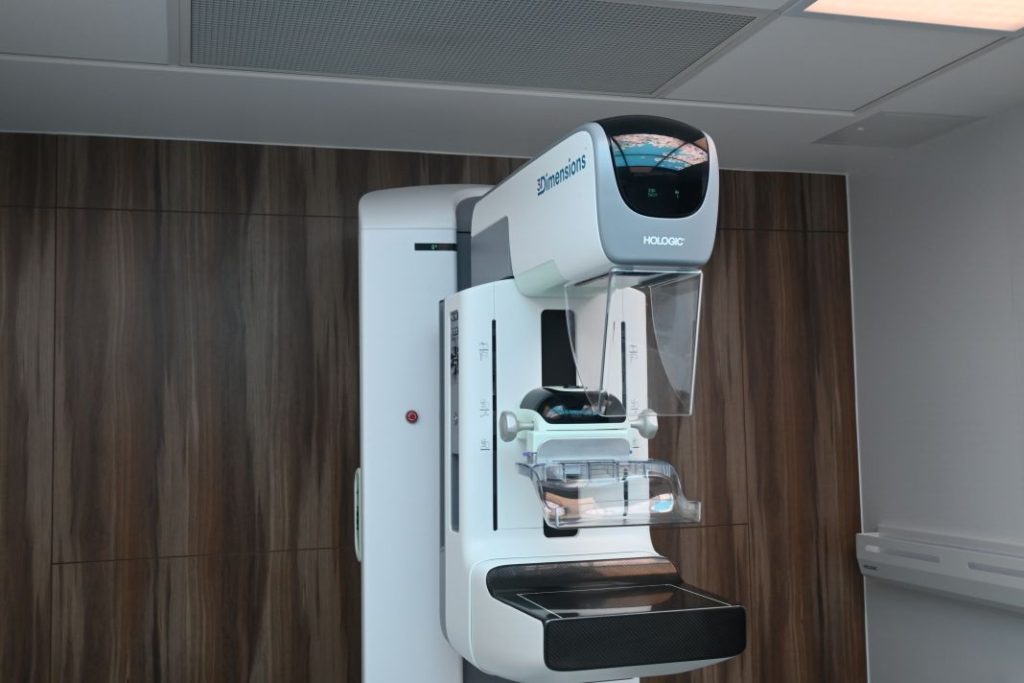
Reconstruction does not affect your cancer treatment. It does not raise the risk of cancer coming back. It does not prevent future screening. Mammograms, MRI scans and physical examinations can all still be carried out on a reconstructed breast. In the UK, breast reconstruction after mastectomy is available through both the NHS and private care.
Key fact: National guidelines from NICE state that every woman having a mastectomy should be offered the option of breast reconstruction, either at the time of surgery or at a later date.
Breast Reconstruction Options Explained
There are two main approaches to rebuilding the breast: using an implant or using your own tissue. Some women benefit from a combination of both. The right choice depends on your body shape, your surgical history, whether you have had or will have radiotherapy and what outcome you are hoping for. Mr Ghosh will walk you through each option during your consultation, with no pressure to decide on the spot.
Implant-Based Breast Reconstruction
Implant reconstruction uses a medical-grade silicone or saline implant to recreate the breast shape. It is the most widely used method in the UK and is suited to women who want a shorter operation and a quicker initial recovery.
In a direct-to-implant procedure, the permanent implant is placed during the same operation as the mastectomy. In a two-stage approach, a tissue expander is inserted first. Over the following weeks, the expander is gradually filled with saline in clinic to stretch the skin and chest muscle. Once the desired size is reached, a second short operation replaces the expander with the final implant.
To improve shape and support, the surgeon may use an acellular dermal matrix (ADM). This is a thin sheet of biological material that acts as an internal sling, holding the implant in position and creating a more natural contour beneath the skin.
Best suited for: Women having bilateral (both sides) reconstruction, those who prefer a shorter operation, and patients without significant chest wall changes from radiotherapy.
DIEP Flap Reconstruction (Tummy Tissue)
The DIEP flap is widely considered the gold standard in autologous breast reconstruction. It uses skin and fat from the lower abdomen to build a new breast, without cutting into the abdominal muscles. Because the new breast is made entirely from your own tissue, it looks and feels more natural than an implant. It also changes with your body over time, gaining or losing volume as you do.
The procedure involves microsurgery. The surgeon carefully disconnects the tiny blood vessels that supply the tummy tissue, then reconnects them to vessels in the chest wall using an operating microscope. This allows the transferred tissue to survive and heal in its new position.
A DIEP flap also gives a similar cosmetic effect to a tummy tuck, leaving a low horizontal scar across the lower abdomen. Recovery takes around six to eight weeks, with most women back to everyday activities well before that.
Best suited for: Women with enough lower abdominal tissue, those who want a permanent result without implants, and patients who value a natural look and feel.
Latissimus Dorsi (LD) Flap Reconstruction
This technique uses muscle, fat and skin from the upper back to form the new breast. The tissue stays connected to its own blood supply and is tunnelled through to the chest, so microsurgery is not needed.
The LD flap is often combined with a small implant to add volume, particularly for women who need a larger breast shape than the back tissue alone can provide. The scar on the back is usually placed so it sits beneath the bra strap. Recovery is typically faster than a DIEP flap, with most women returning to normal activity within four to six weeks.
Best suited for: Women who are not candidates for a DIEP flap, those who have had radiotherapy to the chest wall, and patients who want a reliable technique with a shorter operating time.
Other Tissue-Based Options
When tummy or back tissue is not available or not suitable, other donor sites can be used.
TUG / TMG flap: Uses skin and fat from the inner thigh. The scar is hidden in the groin fold. This is a good alternative for slim women who do not have enough abdominal tissue for a DIEP flap.
SGAP flap: Uses tissue from the upper buttock. This is a technically complex procedure performed by only a small number of surgeons in the UK. The scar is easily hidden by underwear or swimwear.
PAP flap: Uses tissue from the back of the upper thigh. It offers another option for women with limited tummy tissue and leaves a well-concealed scar.
Mr Ghosh will assess your body and health to recommend the donor site that gives you the best result with the lowest risk.
Oncoplastic Breast Reconstruction
Oncoplastic surgery combines cancer removal with breast reshaping in a single procedure. It is designed for women having breast-conserving surgery (wide local excision or lumpectomy) where removing the tumour would otherwise leave a visible dent or change in breast shape.
Instead of accepting a poor cosmetic outcome, the oncoplastic surgeon rearranges the remaining breast tissue to maintain a natural contour. In some cases, the opposite breast is also adjusted at the same time to improve symmetry. This approach can avoid the need for a mastectomy in certain patients, preserving more of the natural breast while still safely clearing the cancer.
Best suited for: Women with medium to large breasts undergoing lumpectomy, and those where the tumour position would cause a noticeable shape change without reshaping.
Nipple Reconstruction and Medical Tattooing
Once your main reconstruction has fully healed, you may wish to recreate the nipple and areola. There are several ways to do this.
Surgical nipple reconstruction is a small procedure, usually done under local anaesthetic. The surgeon creates a raised nipple shape using skin from the reconstructed breast. It does not restore sensation, but it does restore the visual appearance.
Medical tattooing is a non-surgical alternative. A trained specialist uses colour-matched pigments to create a realistic nipple and areola on the reconstructed breast. Many women choose tattooing on its own or alongside surgical reconstruction. The results can be remarkably lifelike.
You can also choose not to have nipple reconstruction. Many women are happy with their result without it. There is no obligation, and no timeline.
Fat Transfer (Lipofilling) for Refinement
Fat transfer is a finishing technique used to improve the shape, softness and symmetry of a reconstructed breast. Small amounts of fat are taken from another part of your body (typically the tummy, thighs or flanks) using gentle liposuction. The fat is then purified and injected into the breast to fill dents, smooth contours or add subtle volume.
This is often done as a day case under general anaesthetic or sedation. Recovery is quick, with most women back to their usual routine within one to two weeks. Fat transfer is especially useful for women whose skin has been affected by radiotherapy, as it can improve both the look and quality of the tissue.
Immediate or Delayed Reconstruction: Which Is Right for You?
One of the first decisions you will face is when to have your reconstruction. Both immediate and delayed approaches produce good results. The best timing depends on your cancer treatment, your body, and how you feel.
Immediate Reconstruction (At the Time of Mastectomy)
With immediate reconstruction, the breast is rebuilt during the same operation as the mastectomy. You wake up with a breast shape already in place.
- You avoid a period without a breast shape
- The surgeon can often preserve more breast skin, leading to a better cosmetic result
- Fewer total operations may be needed
- Many women find it helps emotionally to come out of surgery with a breast shape
Immediate reconstruction is not always an option. If you need post-mastectomy radiotherapy, the team may recommend waiting, because radiation can affect the appearance and feel of a newly reconstructed breast. Your multidisciplinary team will advise you on what is safest and most likely to give you a good long-term result.
Delayed Reconstruction (Weeks, Months or Years Later)
Delayed reconstruction means having the rebuilding surgery at a separate time, after your mastectomy and any other treatments (such as chemotherapy or radiotherapy) are complete.
- You can focus on your cancer treatment first without the added complexity of a longer operation
- You have more time to consider your options and talk to other women who have been through reconstruction
- It allows your chest tissues to recover fully from radiotherapy before surgery
- There is no time limit. Women have successful reconstruction five, ten or even twenty years after their mastectomy
Mr Ghosh regularly performs delayed reconstruction and achieves excellent outcomes. If you had your mastectomy elsewhere or years ago, he is happy to see you for a consultation to discuss what is possible now.
What to Expect from Your First Consultation to Full Recovery
Breast reconstruction is a process, not a single event. Understanding what happens at each stage helps you feel prepared and in control.
Step 1: Your Consultation
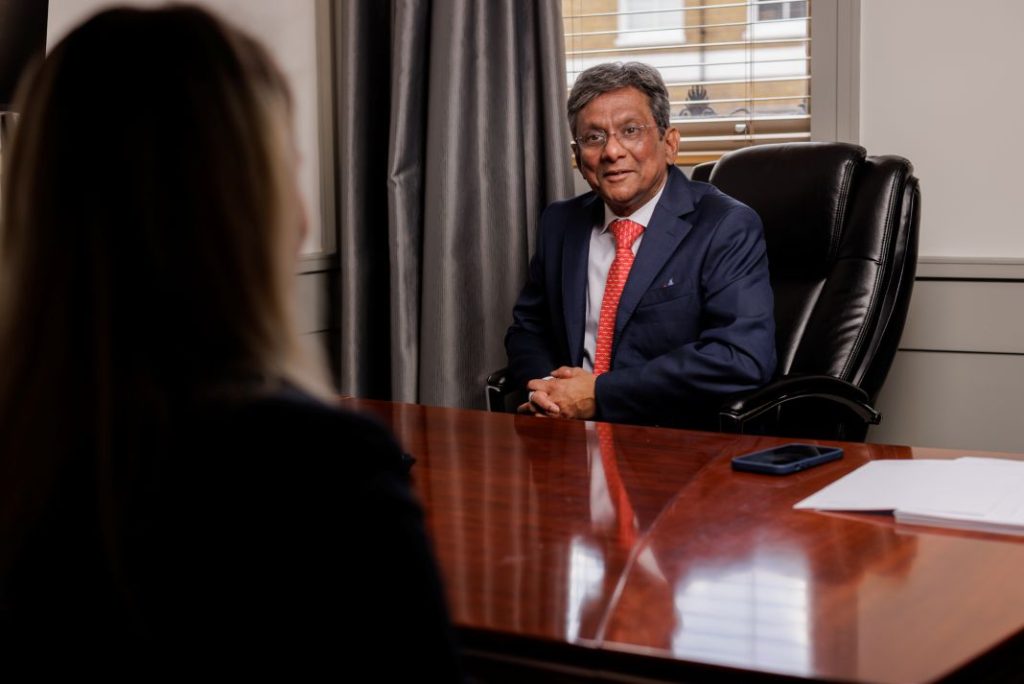
Everything begins with a one-to-one consultation with Mr Ghosh at our Harley Street clinic. He will examine your chest, review your medical history and ask about your goals and concerns. You will see examples of different reconstruction results and discuss which approach suits your body and preferences. There is no obligation to proceed, and you are welcome to bring a partner, friend or family member.
Step 2: Multidisciplinary Team Review
If you are having reconstruction as part of breast cancer treatment, your case will be discussed by a multidisciplinary team (MDT). This includes your breast surgeon, oncologist, radiologist, pathologist and breast care nurse. Together, they make sure your reconstruction plan fits safely alongside your cancer treatment.
Step 3: Pre-Operative Preparation
Before surgery, you will have a pre-assessment check to confirm you are fit for the procedure. Your nurse will give you clear instructions on how to prepare, what to bring to hospital and what to expect on the day. If you smoke, you will be asked to stop at least six weeks before surgery, as smoking significantly increases the risk of wound healing problems.
Step 4: Surgery and Hospital Stay
On the day of surgery, you will be cared for by the full team at The London Clinic. The operation is performed under general anaesthetic. Implant-based procedures typically take one to two hours. Flap-based procedures take four to eight hours, depending on complexity. You will stay in hospital for one to five nights.
Step 5: Early Recovery
After you go home, the breast care nursing team will keep in regular contact. You will have follow-up appointments to check your wounds, remove drains and monitor your progress. Most women manage well with over-the-counter pain relief after the first few days. Light walking is encouraged from day one to support healing.
Step 6: Returning to Normal Life and Final Refinements
Most women return to light daily activities within two to four weeks after implant surgery, or four to six weeks after flap surgery. Full recovery, including exercise and heavy lifting, usually takes eight to twelve weeks. You will receive personalised advice on wound care, scar management and getting back to work, driving and sport. If you choose, smaller finishing procedures such as nipple reconstruction, medical tattooing or fat transfer can be arranged once you have fully healed.
What Sets Our Breast Reconstruction Service Apart
Oncoplastic Expertise in One Surgeon
Mr Ghosh is both a cancer surgeon and a reconstructive specialist. This means your cancer removal and breast rebuilding are planned together by one consultant, reducing the risk of conflicting plans and giving you a joined-up result. Many clinics split this work between two separate surgeons. Here, one expert oversees the whole process.
Every Technique Under One Roof
We are not limited to one or two methods. Mr Ghosh offers the full range of reconstruction approaches, from straightforward implant surgery to complex microsurgical flap procedures, fat transfer, oncoplastic reshaping and nipple reconstruction. Your options are never restricted by what the clinic can do. They are guided by what is best for you.
A Record of Patient Satisfaction
Our clinic holds an Outstanding Patient Experience award from Doctify. Patients consistently rate Mr Ghosh and the team five stars for communication, care and surgical results. Many of our patients come to us through personal recommendations from women who have already been through reconstruction with us.
Continuity from Start to Finish
You will see the same consultant and the same breast care nurse throughout your journey. There are no handoffs to junior doctors, no changes in personnel. The person who plans your surgery is the person who performs it and who sees you at every follow-up.
Reducing the Risk of Lymphoedema During Reconstruction
If lymph nodes need to be removed as part of your cancer surgery, there is a risk of developing lymphoedema. This is persistent swelling in the arm on the affected side, caused by disruption to the lymphatic drainage system. It can affect quality of life and is difficult to reverse once established. Mr Ghosh is trained in the LYMPHA technique (Lymphatic Microsurgical Preventive Healing Approach).
This is a microsurgical procedure performed at the same time as your mastectomy and reconstruction. It involves connecting tiny lymphatic vessels to nearby veins, creating new drainage pathways before swelling has a chance to develop.
Very few breast surgeons in the UK currently offer LYMPHA. It adds a small amount of time to the operation but can significantly reduce the lifetime risk of lymphoedema. Mr Ghosh will discuss whether this is appropriate for your situation during your consultation.

5 Star Testimonials From Patients Around The World
Mr. Debashis Ghosh provides exceptional medical care, fostering trust and personalised attention that reassures both patients and their families alike.
Mr Debashis Ghosh is a Consultant Oncoplastic Breast Surgeon practising at The London Clinic on Harley Street. He is Board Certified for Cosmetic Surgery and currently holds the role of Divisional Director of Surgery at The London Clinic. Within the NHS, he serves as Clinical Director for Breast Services at the NCL Cancer Alliance.
His career spans breast cancer surgery, oncoplastic reconstruction, cosmetic breast procedures and advanced microsurgery. He has contributed to published research on intraoperative radiotherapy, sentinel node assessment, fluorescence-guided surgery and the LYMPHA technique for lymphoedema prevention.
Patients describe Mr Ghosh as calm, thorough and honest. He takes time to explain every option, answers questions without rushing and supports women through what can be one of the most significant decisions of their lives. Whether your reconstruction is straightforward or complex, immediate or delayed, Mr Ghosh and the multidisciplinary team deliver specialist care with a personal touch at every stage.
- Board Certified for Cosmetic Surgery
- Divisional Director of Surgery, The London Clinic
- Clinical Director for Breast Services, NCL Cancer Alliance (NHS)
- Trained in DIEP flap, LD flap, implant, oncoplastic and LYMPHA microsurgery
Where to Find Us in London
Local London Clinics
Breast reconstruction consultations and surgery take place at leading London hospitals with fast access to imaging, theatres and specialist nursing.
Posted onTrustindex verifies that the original source of the review is Google. I am so happy I chose Mr Debashis Ghosh and his team. I had cosmetic breast surgery and it is everything and more than I wanted. I trusted him completely and I am so thankful I did. The entire staff are lovely and make you feel comfortable and confident. If I could give more than 5 stars I would.Posted onTrustindex verifies that the original source of the review is Google. Dr Ghosh changed my confidence completely. He listens very well and makes you feel supported. I had breast reconstruction and the recovery went very well. He helps you reach realistic goals and the results have been life changing.Posted onTrustindex verifies that the original source of the review is Google. I recently visited Dr Ghosh for a consultation regarding cosmetic breast surgery and I couldn’t be happier. He took the time to understand my goals and explained what was realistically achievable. A few weeks on I am thrilled with how everything looks.Posted onTrustindex verifies that the original source of the review is Google. Visited Dr Ghosh for breast care and he was absolutely amazing. Very thorough and helpful in deciding the right option for me. I would recommend him to anyone considering breast surgery.Posted onTrustindex verifies that the original source of the review is Google. Amazing doctor and amazing staff.Posted onTrustindex verifies that the original source of the review is Google. I love love love this clinic and Dr Ghosh. I felt very welcomed the moment I walked in. Dr Ghosh made me feel comfortable and explained my breast surgery clearly.Posted onTrustindex verifies that the original source of the review is Google. From the moment I walked in the staff made me feel comfortable and welcome. Dr Ghosh was kind patient and took time to answer all of my questions without making me feel rushed. The nurse and coordinator were also very helpful. The whole experience was smooth supportive and professional from start to finish.Posted onTrustindex verifies that the original source of the review is Google. Great service at the Harley Street clinic. The staff are friendly knowledgeable and scheduling appointments was easy.Posted onTrustindex verifies that the original source of the review is Google. I had a very positive experience at this clinic. Everything was explained clearly and I felt well looked after throughout my appointments.Posted onTrustindex verifies that the original source of the review is Google. Dr Ghosh and his team provided an incredible experience from start to finish. During the consultation he truly listened to my concerns and goals and provided honest recommendations. Surgery and follow up care were well organised and supportive. I couldn’t be happier with my decision.
Your Dedicated Breast Care Nurse
A breast reconstruction journey involves more than surgery. It brings questions, worries and practical challenges that extend well beyond the operating theatre. That is why every patient at our clinic is paired with a named breast care nurse who stays with them from the first appointment through to full recovery.
Your nurse is the person you can call when you are unsure about something, when you need reassurance between appointments, or when you simply want to talk to someone who understands. They will help you prepare for surgery, explain what to expect afterwards, guide you through wound care and provide emotional support for you and your family.
- Named nurse assigned to every patient
- Reachable between appointments for questions and reassurance
- Practical guidance on wound care, recovery and daily life
- Emotional support for you and your loved ones throughout the process
Frequently Asked Questions About Breast Reconstruction Surgery
We have answered the questions patients ask most often. If your question is not covered here, please get in touch and we will be happy to help.
Is breast reconstruction the right choice for me?
That depends entirely on you. Reconstruction is not medically necessary, but many women find it improves their confidence, body image and quality of life after a mastectomy. Some women prefer to use an external breast form (prosthesis) instead, and that is a perfectly good option too. Mr Ghosh will discuss the choices with you openly, without any pressure to proceed.
Can reconstruction happen at the same time as my mastectomy?
Yes, and it often does. Immediate reconstruction means the breast is rebuilt during the same operation as the cancer surgery, so you wake up with a breast shape in place. Whether this is suitable for you depends on your diagnosis, your treatment plan and whether you need radiotherapy afterwards. Mr Ghosh and the MDT will advise you on the safest and most effective approach.
What is the difference between an implant and a flap reconstruction?
Implant reconstruction uses a silicone or saline implant to create a breast shape. The operation is shorter and recovery is quicker. Flap reconstruction uses tissue from another part of your body, most often the lower tummy (DIEP flap) or the back (LD flap), to build a new breast. The result typically looks and feels more natural, but the surgery is longer and recovery takes more time. Both produce good outcomes, and the right choice depends on your body, health and personal preferences.
How long will it take me to recover?
For implant-based reconstruction, most women return to light activities within two to four weeks. For flap-based procedures such as DIEP or LD reconstruction, full recovery usually takes eight to twelve weeks. You will receive personalised guidance on wound care, movement, returning to work and getting back to exercise.
Will my reconstructed breast look natural?
Modern techniques can produce very natural-looking results, especially with autologous (tissue-based) reconstruction. The breast will not look or feel identical to your original breast. Sensation is usually reduced, though some feeling may return gradually over months. Mr Ghosh will show you examples and set honest expectations so you know exactly what to expect.
Does reconstruction interfere with cancer screening?
No. You can still have mammograms, MRI scans and clinical examinations after reconstruction. Reconstruction does not raise the risk of cancer returning and does not hide cancer from screening. Your follow-up surveillance continues as normal.
Is breast reconstruction available on the NHS?
Yes. Under NICE guidelines, every woman having a mastectomy should be offered the option of reconstruction, either immediately or at a later date. Mr Ghosh practises both within the NHS at the Royal Free Hospital and privately at The London Clinic.
Can I have reconstruction years after my mastectomy?
Absolutely. There is no deadline. Delayed reconstruction can be performed months, years or even decades after your original surgery. Mr Ghosh regularly sees women who had their mastectomy many years ago and achieves excellent results.
Will I need more than one operation?
In many cases, yes. Reconstruction is often a staged process. You may need a second operation for implant exchange, nipple reconstruction, fat transfer to refine the shape, or symmetry surgery on the opposite breast. Mr Ghosh will map out the full plan from the start so there are no surprises.
What are the risks of breast reconstruction surgery?
All surgery carries some risk. Possible complications include infection, bleeding, delayed wound healing, scarring, changes in sensation, implant-related issues (such as capsular contracture) and, with flap surgery, a small risk of partial or total flap loss. Mr Ghosh will explain all the risks clearly during your consultation and answer any questions you have.
Do I need a GP referral to see Mr Ghosh?
No. You can self-refer for a private consultation. Referrals are also accepted from GPs, hospital consultants and other specialists. For NHS care, a referral from your GP or breast unit is usually needed.
What is the LYMPHA technique and should I consider it?
LYMPHA stands for Lymphatic Microsurgical Preventive Healing Approach. It is a microsurgical procedure performed at the same time as your mastectomy and reconstruction to reduce the risk of developing lymphoedema (persistent arm swelling) after lymph node removal. Very few centres in the UK offer this. Mr Ghosh will discuss whether it is appropriate for your situation.
Still have questions? Let’s discuss!
Book a Reconstruction Consultation – No Pressure, Just Clear Guidance
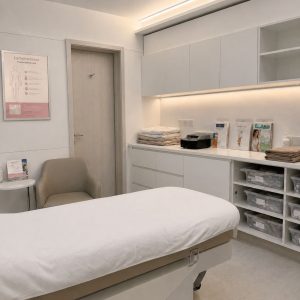
If you are thinking about breast reconstruction, whether for the first time or after years of living without it, we are here to help you take the next step. Every consultation is unhurried, honest and completely focused on you.
A member of the team will be in touch to arrange your appointment with Mr Ghosh at our Harley Street clinic. By submitting the form at the bottom of the page, you agree to be contacted regarding your enquiry.



Request A Call Back From Our Specialist
We understand that waiting for answers about your breast health can be one of the most anxious times. Our one-stop breast clinic is designed to give you clarity, confidence and expert care — all in a single visit.
Share a few details using the form below, and a member of our team will be in touch to arrange your appointment at our private breast clinic on Harley Street.