What is LYMPHA?
LYMPHA is preventive microsurgery carried out during an axillary lymph node dissection, the operation that removes a group of lymph nodes from the armpit. It aims to lower your future risk of breast cancer-related lymphoedema, the persistent arm swelling that follows when lymph fluid can no longer drain properly.
The name stands for lymphatic microsurgical preventive healing approach, and you may also see it called immediate lymphatic reconstruction. The word to hold onto is preventive. Treatment for lymphoedema starts once swelling has appeared. LYMPHA happens before that, during the cancer operation itself.
Clearing the nodes means cutting through lymphatic vessels that used to drain the arm. LYMPHA connects some of those cut vessels to a small nearby vein, so the fluid has somewhere else to go.
The bypass is made during the same operation
It is planned before you go to theatre and confirmed once you are in it. A dye is injected first to map the lymphatic vessels. The nodes come out as planned, and only then does the microsurgical team look for divided vessels and a suitable branch of the axillary vein.
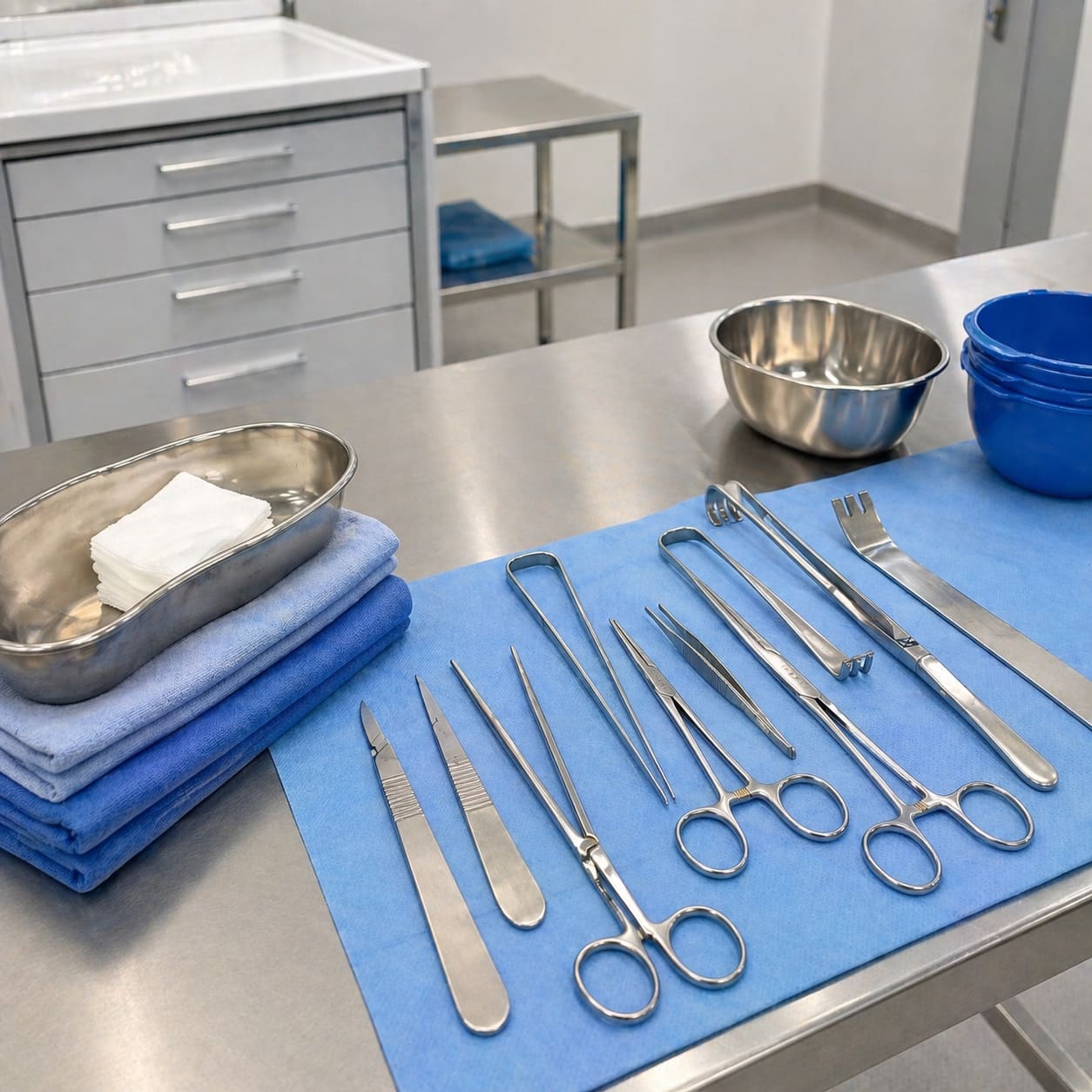
The connection is called a lymphovenous anastomosis, made under an operating microscope. The vessels involved are around a millimetre across, which is why it needs a surgeon trained in microvascular work rather than a general breast surgeon.
The cancer operation always comes first. If suitable vessels or a usable vein cannot be found once the surgeon is looking, the bypass does not happen, and that is a normal outcome rather than a complication. It is worth knowing before the day, so that a planned LYMPHA not going ahead does not feel like something went wrong.
Expert advice on breast cancer treatment, cosmetic breast surgery, and reconstruction options in London.
Book a ConsultationIt only comes up if you need a node clearance anyway
This is the boundary that matters most. LYMPHA is only relevant where an axillary lymph node dissection is already part of your cancer treatment. It is not a reason to have more lymph node surgery than your cancer requires, and it does not apply to a mastectomy, to breast-conserving surgery, or to a sentinel lymph node biopsy on its own.
Availability is the other practical limit. NICE, which covers England, permits the procedure while further evidence is being gathered, and only with special arrangements covering governance, consent and audit or research. In plain terms, most units do not offer it, and where it is offered you may be taking part in research. That is worth asking about directly rather than assuming.
The specialist team weighs up:
- Whether the cancer operation requires an axillary dissection in the first place
- Whether breast and microsurgical teams can plan and operate together
- Whether the anatomy is likely to allow a lymphatic-to-vein connection
- How arm swelling will be monitored afterwards
NICE is specific that the team should include a surgeon trained in microvascular surgery. Mr Ghosh assesses whether the cancer operation calls for an axillary dissection before any of this becomes a live question, which is the order the decision has to happen in.
Establish whether an axillary lymph node dissection is definitely required before spending any time on LYMPHA. If a sentinel node biopsy is all that is planned, the question does not arise.

The evidence points one way but does not settle it
The most recent meta-analysis pooled 30 studies. Across the comparative ones, lymphoedema developed in 14.5% of people who had immediate lymphatic reconstruction against 25% of those who did not, and the pooled risk came out lower with reconstruction.
That number is worth reading carefully rather than quickly.
| What the evidence suggests | What remains uncertain |
|---|---|
| Pooled results link immediate lymphatic reconstruction with less lymphoedema after node clearance | The studies define lymphoedema differently and measure it differently, so they are not strictly comparable |
| There is a reasonable case for considering it where node clearance is already required | Studies that follow people for longer keep finding more cases, so short follow-up flatters the result |
| A bypass gives lymph fluid an alternative route after vessels are cut | A prospective study of 230 people found no statistically significant difference across its combined measures |
The same analysis reported variation in post-operative care and a risk of bias across the studies it included. That is why no single success rate should be quoted at you, and why anyone offering one is overstating what is known.
LYMPHA may lower the risk. It does not remove it, and monitoring for arm swelling continues either way.

Ask how arm swelling will be monitored after surgery whichever way the LYMPHA question goes. Follow-up is the part that catches lymphoedema early, and it applies either way.

Ask these before your surgical plan is fixed
The decision has to happen while the operation is still being planned, because the microsurgery has to be built into it from the start.
- Why does my treatment plan involve an axillary lymph node dissection?
- Is LYMPHA relevant to the operation I am actually having?
- Is it available here, and would I be taking part in research?
- Which surgeon would do the microsurgical part, and how do the two teams coordinate?
- What happens if the bypass cannot be completed once you are operating?
- How will arm swelling be monitored afterwards, whether or not LYMPHA goes ahead?
The useful shift is away from asking whether LYMPHA is worth having in general. It either fits the operation in front of you or it does not, and that question has a clear answer well before you need to decide anything else.
Expert breast surgery advice from a leading London consultant with over 30 years of experience.
Book ConsultationCommon questions about LYMPHA
Can a LYMPHA bypass always be completed?
No. Suitable lymphatic vessels and a usable vein have to be found during the operation, and sometimes they are not there. The plan is made beforehand, but feasibility is only settled once the surgeon is looking.
Does LYMPHA replace lymphoedema monitoring after breast cancer surgery?
No. Monitoring continues exactly as it would otherwise, because the procedure aims to reduce the risk rather than eliminate it. Swelling that is picked up early is easier to manage than swelling that has been there for months.
What does a microvascular surgeon do during LYMPHA?
They join the vessels. Microvascular surgeons are trained to work on blood and lymphatic vessels around a millimetre wide, under a microscope, which is the skill the bypass depends on.
Why do LYMPHA studies report different results?
Because they are measuring different things. Definitions of lymphoedema vary, follow-up periods vary, and after-care varies between centres, so two studies can both be sound and still disagree.
Does LYMPHA change whether I need an axillary lymph node dissection?
No, and it should never be a reason to have one. The cancer determines whether the nodes need clearing. LYMPHA is only a question once that decision has already been made on its own merits.
This is general information, not medical advice.
Reviewed by Mr D. B. Ghosh, Consultant Breast Surgeon, dual European Board certified (FEBS) in Breast Surgery and Surgical Oncology, and Board Certified in Cosmetic Breast Surgery through the Royal College of Surgeons scheme. GMC 4657664.