What is a sentinel lymph node biopsy and why is it done?
A sentinel lymph node biopsy is a surgical test that checks whether breast cancer has spread to the nearby lymph nodes. Doctors recommend it because finding out if the cancer has moved beyond the breast helps guide safe and effective treatment.
Unlike full node clearance, which removes most or all lymph nodes from the armpit, a sentinel node biopsy targets only the first few nodes that are most likely to contain cancer if it has spread. Surgeons identify these nodes through careful mapping, often with the help of a special dye or tracer. When a diagnosis of breast cancer is made, this procedure may be advised if:
- The cancer could have spread to the lymph nodes, but there are no obvious signs on scan or exam
- The plan is to avoid unnecessary removal of healthy lymph nodes
- Knowing node status is needed to plan further treatment, such as chemotherapy or radiotherapy
Not every patient needs this test. The results play an important role in planning, allowing the multidisciplinary team to choose the safest treatment tailored to the specific situation. National NHS and NICE guidelines support using this method to improve accuracy without extra risk. Misconceptions sometimes arise about it meaning the cancer is more serious, when in reality, it is simply a tool to provide more useful information for decision-making.
Pro Tip: Check your wound daily for unusual redness or discharge and report any changes to your care team promptly.

How is a sentinel lymph node biopsy performed?
Most people find reassurance in understanding what will happen on the day of surgery. Sentinel lymph node biopsy is done in hospital under consultant breast surgeon care and usually takes place as a short-stay procedure.
Here is an overview of the process:
- You meet your consultant to confirm consent and answer any final questions before surgery.
- Shortly before your operation, a small amount of blue dye and sometimes a safe, low-level radioactive tracer is injected into the breast or skin. This helps map the lymphatic pathways visually and through imaging.
- In the operating theatre, you are given either general anaesthetic (so you are completely asleep) or, in rare situations, local anaesthetic.
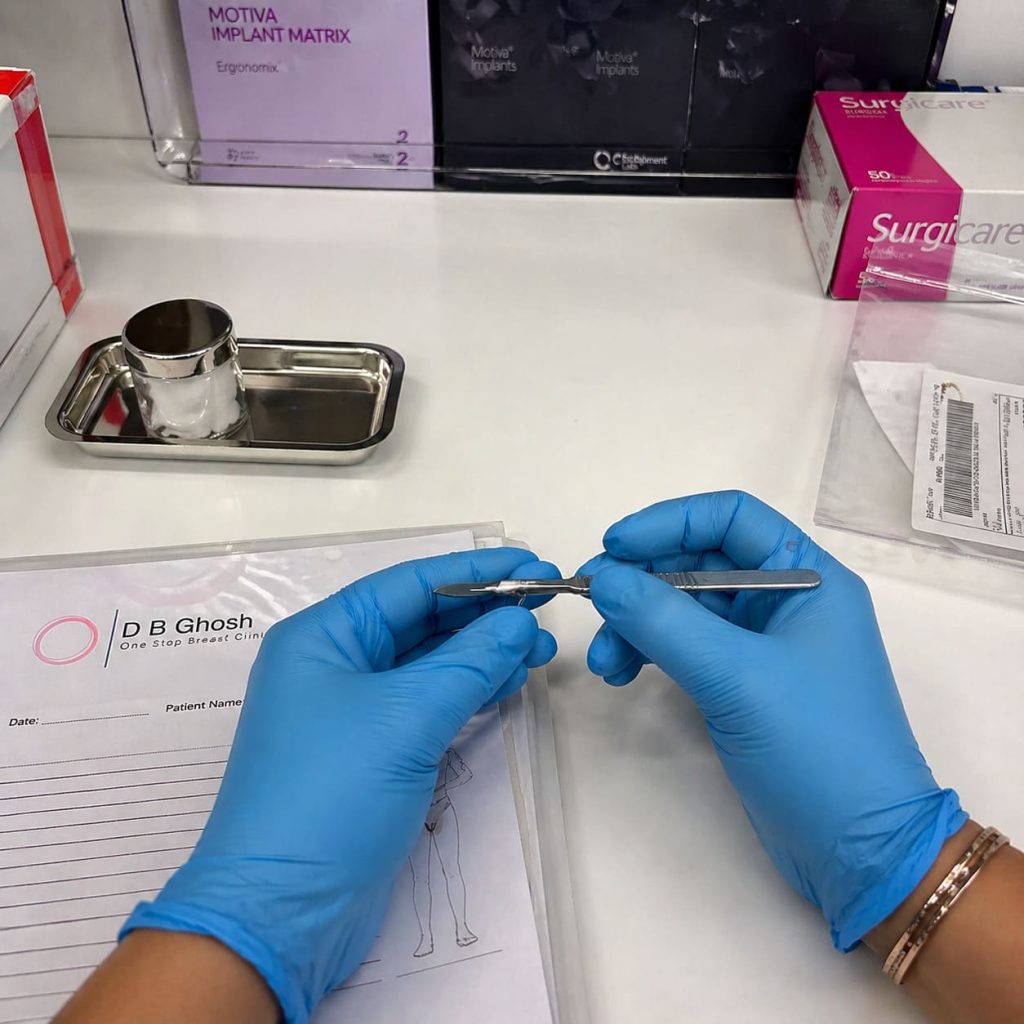
- The surgeon uses information from the dye or tracer to locate the sentinel nodes, which are then carefully removed through a small incision in the armpit.
- The removed tissue is sent to the pathology lab for analysis.
- Afterwards, you are monitored in recovery while waking up from anaesthesia. Nurses check dressings and make sure you are comfortable.
Most people can go home on the same day, often within a few hours, provided they feel well and meet safety criteria for discharge. Post-operative advice is given before leaving hospital.
What to expect immediately after the procedure
The first hours and days after a sentinel lymph node biopsy can bring several normal sensations and experiences. Most people find that recovery is straightforward, though some discomfort should be expected.
Common experiences include:
- Mild to moderate soreness or aching under the arm or around the wound
- A patch of numbness or tingling in the armpit, which usually improves with time
- Swelling or mild bruising in the area of the incision
- Blue or greenish discolouration of urine or skin, which comes from the dye and is temporary
Most people are encouraged to move the arm gently and avoid heavy lifting for the first week. Wound care is usually minimal, with a simple dressing to keep clean and dry. Stitches may be dissolvable or removed at a follow-up appointment.
Results from the laboratory are often discussed at your next appointment, generally within a week or two. You will be told clearly who to contact if you have any worries at home.
Checklist: When to contact your care team after sentinel node biopsy
- Redness, warmth, or swelling that spreads from the wound
- Persistent or increasing pain not relieved by simple painkillers
- Discharge, fluid, or blood leaking from the incision site
- High temperature (fever) or feeling generally unwell
- Difficulty moving your arm beyond gentle movements
Contact your hospital or breast care nurse promptly if any of these occur.
Book a Consultation
Common side effects and risks of sentinel lymph node biopsy
Like any operation, a sentinel lymph node biopsy may cause side effects and carries some risk. Understanding what is typical helps patients recognise what is manageable and spot when to seek help.
Most common (expected):
- Bruising and swelling at the wound site
- Mild to moderate pain or tenderness, controllable with standard pain relief
- Temporary numbness or altered sensation under the arm
- Mild skin or urine discolouration from the blue dye
Less common:
- Wound infection needing antibiotics
- Build-up of fluid (seroma) in the armpit, sometimes requiring drainage
- Allergic reaction to blue dye (rare)
Rare but important to note:
- Lymphoedema (swelling of the arm due to lymph fluid build-up) is uncommon after sentinel node biopsy, especially compared to full node clearance. Careful surgical technique and advice on arm movement help lower this risk.
Patients sometimes worry that biopsy means a high long-term risk of arm problems, but this is much less frequent than with more extensive surgery. NHS patient leaflets and breast surgery guidelines provide further background on these effects.
If you notice severe swelling, redness, persistent pain or difficulty moving your arm, let your care team know.
Pro Tip: Keep a written list of any new symptoms or concerns to discuss at your follow-up appointment after surgery.
When is sentinel lymph node biopsy not needed or not suitable?
There are situations where this procedure is not routinely recommended. The decision is always made based on individual factors and national guidelines.
Reasons the procedure might be omitted include:
- Breast cancer is very small and unlikely to involve lymph nodes (such as certain pre-invasive cancers)
- Lymph node involvement is already confirmed before surgery, meaning a full clearance is advised instead
- Previous surgery in the armpit or certain anatomical factors make mapping unreliable
- The patient’s overall health means risks outweigh possible benefits
The multidisciplinary team considers all these factors to ensure the safest, most effective approach. Not having a sentinel node biopsy does not mean a missed opportunity but simply reflects what is safest for that particular case.
Request a Second Opinion
Questions to ask your surgeon about sentinel lymph node biopsy
Bringing questions to your consultation supports shared decisions and builds confidence in the care plan. Consider asking:
- Why do you recommend a sentinel lymph node biopsy for my case?
- What does the procedure involve, and how long will I be in hospital?
- What are the main risks and expected side effects?
- How soon will results be available, and how will they affect my treatment?
- Are there alternatives for checking the lymph nodes?
- What should I do if I experience unusual sensations or side effects at home?
- Who should I contact for advice after the procedure?
Open discussions with your consultant or breast care nurse help make the process transparent and tailored to you.
Summary and next steps
Sentinel lymph node biopsy is a focused, evidence-based test to check if breast cancer has spread to nearby lymph nodes. For most people, the risks are modest, recovery is quick, and the results can meaningfully influence the treatment plan.
Next steps may include:
- Attending your follow-up appointment to discuss results
- Noting any changes or concerns to mention at your review
- Asking further questions to feel confident about ongoing care
- Arranging support at home after surgery, if needed
Consultant-led breast surgery offers calm, coordinated decision-making from assessment through to follow-up. If you have further questions or wish to discuss your suitability for the procedure, you can book a consultation or request a second opinion.
To learn more about specialist breast care, cancer surgery, reconstruction, and cosmetic breast procedures, get in touch with D B Ghosh Breast Surgeon Specialist in Cancer and Cosmetic Surgery, Harley Street London, at Rapid Diagnostic Centre, 146 Harley St, London W1G 7LD, or call 020 7205 2281.