What should you do to prepare for breast cancer surgery?
Preparing for breast cancer surgery involves understanding your diagnosis and treatment plan, organising logistics for hospital admission, managing medical requirements beforehand, and arranging support for recovery. A clear preparation process ensures that both physical and emotional needs are accounted for, reducing uncertainty and aiding recovery.
Pro Tip: Discuss your normal daily routines with the care team so they can help you adapt plans for recovery without disruption.

Understand Your Diagnosis and Surgical Plan
Before undergoing surgery, make sure you know exactly what the procedure involves and why it has been recommended. Clarifying the intent of the surgery can help you make better-informed decisions with your clinical team.
The type of operation depends on several factors, such as tumour size, location, lymph node involvement and overall treatment goals. Common procedures include:
Lumpectomy Also known as breast-conserving surgery, this removes the tumour and a margin of surrounding tissue while preserving most of the breast.
Mastectomy This involves removing the entire breast. It may be advised where cancers are larger or multifocal, or when patients choose a lower long-term recurrence risk.
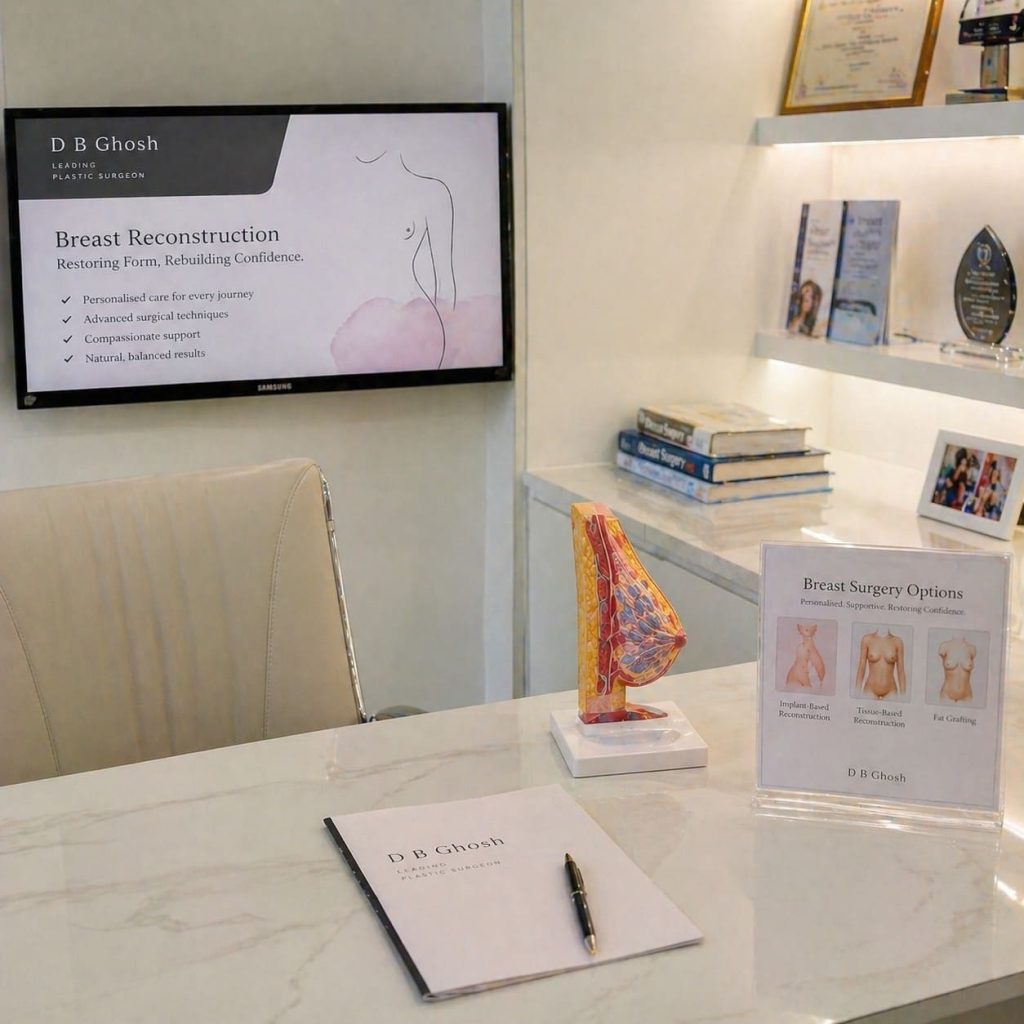
Reconstruction Depending on personal and clinical factors, reconstruction may be discussed before mastectomy. This can be immediate or delayed and may use implants or tissue from another area of the body.
Your surgeon will take into account imaging results, biopsy findings, and pathology when planning surgery. The MDT (Multidisciplinary Team) recommends treatment pathways guided by evidence such as NICE guidelines.
Questions you may want to ask:
- What surgery is being recommended, and why?
- Will I need reconstruction or further treatment?
- What are the possible outcomes and risks?
- How will the surgery affect my follow-up care?
Know What to Expect Before Surgery
The days leading up to the operation involve both medical and practical steps. Being prepared can reduce stress and allow you to focus on your care.
Pre-surgery checklist:
- Attend your pre-assessment clinic Blood tests, an ECG, and a review of your medical history will be completed. Existing health conditions and medications will be discussed.
- Follow fasting instructions Usually, you must not eat or drink for a specified time before surgery. These details will be provided in advance.
- Review your medications Certain medications may need to be stopped or adjusted. Bring a current list to your pre-assessment.
- Arrange for transport You will not be able to drive yourself home. Make plans for someone to accompany you.
- Plan time off work and other commitments Ask your team about expected recovery time so that any leave or household adjustments can be made.
- Prepare emotionally Psychological support is available, and it is worth voicing any anxiety you may have.
Understand Anaesthesia and Pain Management
Most breast surgeries are carried out under general anaesthetic. In some cases, local anaesthetic and sedation may be used, particularly for procedures such as lumpectomies or node biopsies.
Anaesthetic care Your anaesthetist will meet you before the operation to explain the process, check your fitness for surgery, and answer any concerns. They monitor your breathing, heart rate and comfort throughout the procedure.
Pain control Post-operative pain is managed through tablets, sometimes combined with local anaesthetic blocks. The choice depends on the type of procedure and your individual needs.
Possible side effects These may include nausea, sore throat, drowsiness or temporary confusion. These are monitored and treated carefully.
Speak up if pain felt after surgery exceeds manageable levels. Pain relief is adjustable, and discomfort should not be endured unnecessarily.
Book a Surgical Consultation
Prepare for Hospital Admission and Discharge
Knowing what to expect at the hospital can help ease the experience and reduce delays on discharge.
What to pack:
- Comfortable front-opening clothing
- Toiletries
- Any medication lists or allergy information
- Phone and charger
- Book or similar distraction
Overnight or day surgery? Many procedures are day cases. If an overnight stay is planned, your team will advise in advance. Drains may occasionally require an extended period in the hospital.
Discharge planning Before going home, staff will ensure you can move safely, understand instructions and are supported. You will be given a discharge letter and pain relief. Arrange for someone to accompany you home and stay with you for the first night if possible.
Follow-up Your team will book your post-operative outpatient appointment. Any wound care instructions or drain management will be explained before discharge.
Plan for Recovery at Home
Recovery begins after surgery and continues over several weeks. Proper planning can make this time more manageable.
Physical recovery
- Movement may feel restricted at first, particularly if nodes were removed
- Wound areas should be kept clean and dry as advised
- Fatigue is common but gradually improves
- Gentle arm exercises may be recommended to maintain flexibility
Signs to report
- Redness or fluid around the wound
- Fever
- Increasing pain
- Sudden swelling of the arm or chest wall
Support at home Ask for help with meals, childcare, or errands. Overexertion in early recovery is best avoided.
Emotional effects Tiredness, changes in body image and mood shifts are common. Support networks and professionals can help you work through this phase.
Understand the Role of Lymph Node Surgery
Lymph node assessment is often part of breast cancer surgery. The aim is to check whether cancer has spread beyond the breast.
Sentinel node biopsy This technique removes one or a few nodes that first drain the breast tissue. If no cancer is found, no further node surgery is needed in most cases.
Axillary clearance Used when nodes are known to contain cancer, this removes a larger number of underarm nodes. It can affect drainage and increase the risk of complications.
Aftercare considerations:
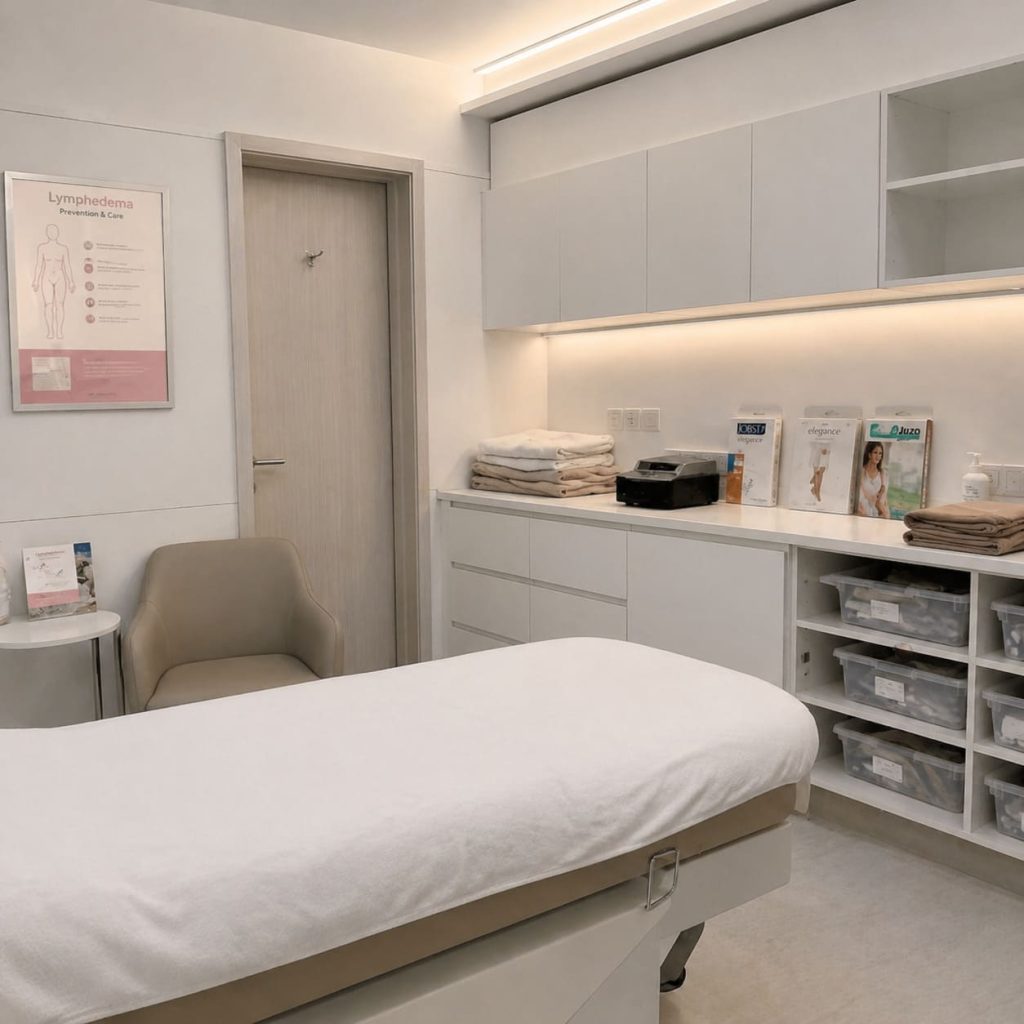
- Swelling in the arm or upper chest (lymphoedema) may occur
- You may experience numbness or reduced shoulder movement
- Physiotherapy and exercises help with recovery of mobility
Knowing what type of node procedure is planned helps in understanding expected recovery and potential need for further treatment.
Pro Tip: If surgery requires lymph node removal, ask about early physiotherapy to protect shoulder movement and avoid stiffness.
Consider Breast Reconstruction Options (If Applicable)
Reconstruction is a personal decision. For some, it is part of the initial surgical plan. For others, it may be explored later.
Timing
- Immediate: Done in the same operation as the mastectomy
- Delayed: Performed months or years after treatment
Techniques
- Implant-based: Uses silicone or saline implants
- Autologous (flap) reconstruction: Uses your own tissue, typically from the abdomen (e.g. DIEP flap)
Factors to consider:
- Whether radiotherapy is planned
- Surgical challenge and recovery time
- Personal preferences around appearance and sensation
- Health status and suitability for longer procedures
Your medical team will help weigh these options. It is entirely appropriate to defer reconstruction if you are unsure.
Know Who to Contact and When
Clear contact pathways can give peace of mind and ensure rapid attention to any concerns.
Before surgery:
- Contact your surgeon’s secretary or breast care nurse with administrative or symptom-related questions.
After surgery:
- Breast care nurse teams can address wound queries, emotional support, or medication issues
- NHS 111 can advise outside of hours
- For worsening symptoms, your hospital team should provide a direct number for urgent concerns
Know when to seek urgent review:
- Fever
- Wound opening or heavy bleeding
- Sudden breast swelling
- Increasing pain despite medication
Second opinions If you remain unsure about your plan, you may request a further consultant opinion. This can offer clarity and confidence in your direction of treatment.
Prepare Emotionally and Practically
Breast surgery inevitably has emotional and practical effects. Recognising this early can help you put the right support in place.
Emotional impact Many feel anxious, low or overwhelmed. Others report feeling numb or disconnected at first. Support can include:
- Talking to trusted friends or family
- Accessing local counselling or talking therapies
- Joining in-person or online support groups, such as those offered by Maggie’s or Macmillan Services
Practical planning:
- Confirm your planned leave from work and check on policies around sick notes or working from home
- Consider how day-to-day tasks will be handled, especially in the first week
- Prepare simple meals or arrange support with cooking and cleaning
Planning beyond the physical aspects of surgery can build resilience and ease transitions post-operatively.
Visit the Rapid Diagnostic Centre
Use Your Consultation Time Well
Surgery consultations can feel intense. Being prepared helps ensure nothing important is missed.
Before your appointment:
- Note down questions in advance
- Bring results or letters from other clinicians
- Have someone accompany you if possible, especially when key decisions are discussed
Questions to ask:
- What are the risks and likely benefits of surgery?
- Are there alternative approaches?
- Will I need further treatment such as radiotherapy?
- What support is available if I feel unsure?
There is no pressure to make decisions immediately. A second, follow-up consultation can be arranged if needed.
Final Checklist Summary
- Understand the exact type of surgery and its purpose
- Attend your pre-assessment and complete required tests
- Follow fasting and medication instructions
- Arrange transport and support for the hospital day
- Pack comfortable clothing and key items
- Clarify pain relief and anaesthetic plans
- Prepare your home for recovery
- Confirm follow-up appointments and contact numbers
- Discuss lymph node surgery and possible effects
- If applicable, review reconstruction timing and options
- Prepare emotionally and identify support resources
- Bring notes or support to consultations
- Know who to call with concerns before or after surgery
For those seeking consultant-led, integrated surgical care, D B Ghosh Breast Surgeon Specialist in Cancer and Cosmetic Surgery Harley Street London offers a full pathway from diagnosis through to recovery. Consultations take place at the Rapid Diagnostic Centre, 146 Harley St, London W1G 7LD. Phone: 020 7205 2281.