What checks do you have after breast cancer treatment ends?
We expect breast cancer follow-up to include a written care plan, mammograms where breast tissue needs checking, review of ongoing treatment and side effects, and clear advice on symptoms to report. Fewer fixed appointments does not mean care has stopped; the plan must be specific enough to use.
Good follow-up is broader than the appointment calendar. A breast cancer care plan should tell you what is being checked routinely, what needs review only if a symptom appears, and who is responsible for each part of your care.
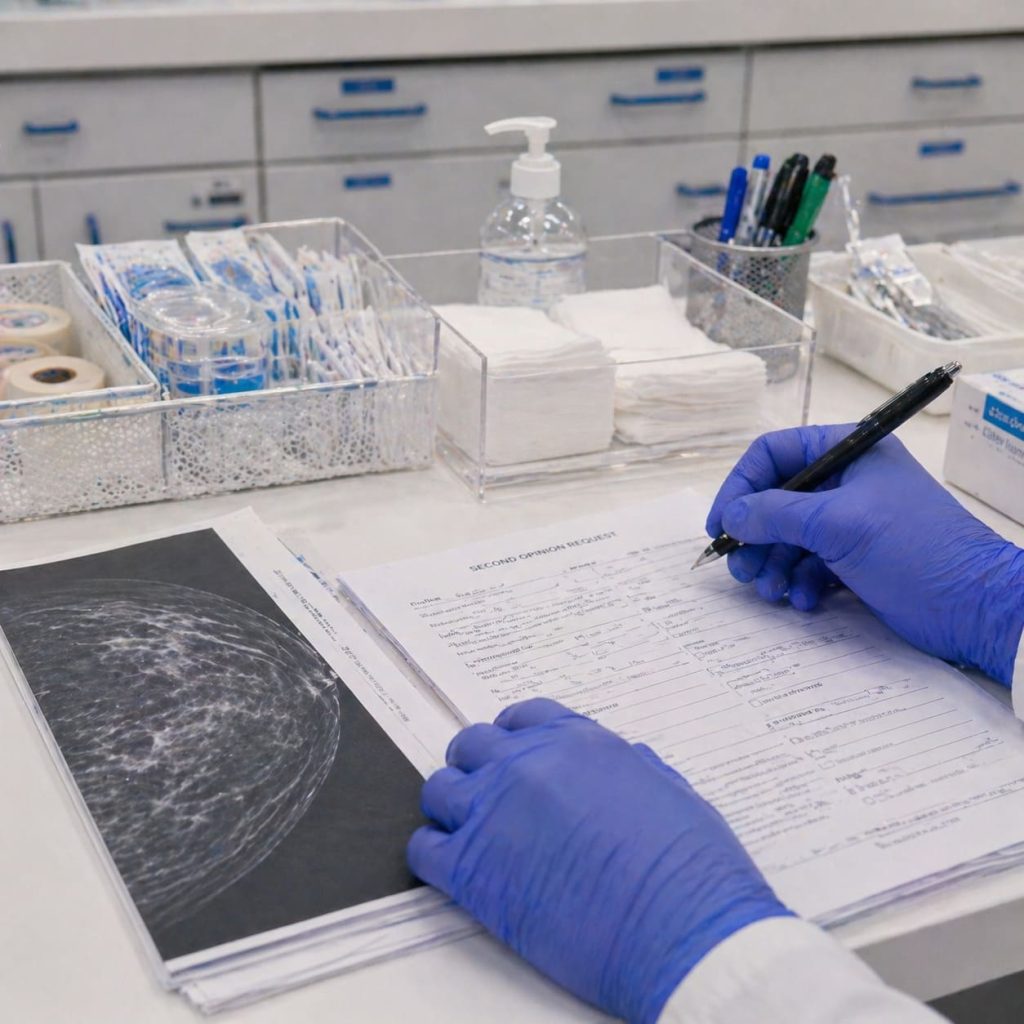
NICE guideline NG101 says everyone who has had treatment for breast cancer should have an agreed written care plan recorded by a named healthcare professional from the multidisciplinary team. That team is the group of specialists involved in your care, such as your surgeon, oncologist, breast care nurse, imaging doctors and pathology team.
The plan should cover the things that matter between appointments: mammograms, review dates for extra treatment after surgery, symptoms to seek advice about, direct routes back into the breast team, and support such as lymphoedema care. We see the written plan as a safety tool. If you cannot tell from the plan what to do with a new breast, scar, chest wall or arm change, the plan is not doing enough work.
A London-based consultant-led review can help when your surgery, reconstruction, ongoing treatment or follow-up instructions do not fit a simple pattern. The aim is to avoid extra appointments for their own sake. The aim is to make the plan match your treatment history.
How do mammograms differ after lumpectomy, mastectomy, or both breasts removed?
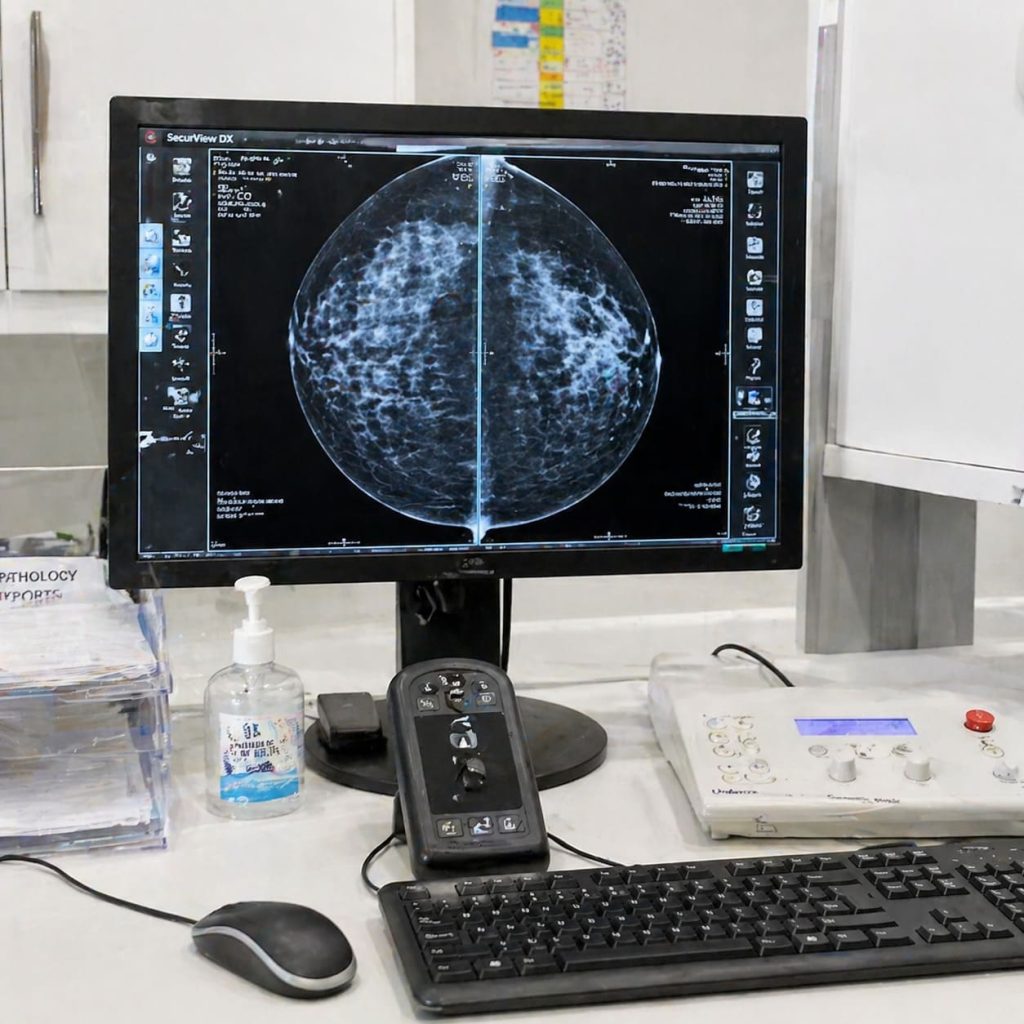
Mammograms after breast cancer depend on what breast tissue remains. Generic advice often blurs this point, which is why we start with the operation you had before we judge whether the mammogram plan makes sense.
NICE guideline NG101 recommends annual mammography for 5 years for people who have had or are having treatment for breast cancer, including ductal carcinoma in situ, called DCIS. For women, annual mammography continues beyond that until entry into the NHS Breast Screening Programme in England, or the Breast Test Wales Screening Programme in Wales.
| Operation | What follow-up mammograms usually focus on |
|---|---|
| Breast-conserving surgery, also called wide local excision or lumpectomy | Mammograms usually include the treated breast because breast tissue remains. |
| Single mastectomy | Routine mammograms are not done on the mastectomy side. The opposite breast may still be checked. |
| Bilateral mastectomy | Routine annual mammograms are generally not part of follow-up because both breasts have been removed, but any new chest wall or reconstruction change still needs review. |
Cancer Research UK gives the plain example that after a right mastectomy, the mammogram is of the left breast. NICE also says mammography should not be performed on the same-side soft tissues after mastectomy.
A normal mammogram is useful, but it is only one part of follow-up. It does not answer every question about symptoms, reconstruction, scar changes, medication side effects or bone health. When we review a follow-up plan, we look for a clear link between the operation, the remaining breast tissue and the advice you have been given about changes to report.
Expert advice on breast cancer treatment, cosmetic breast surgery, and reconstruction options in London.
Book a ConsultationWill you have CT scans, MRI scans, blood tests, or tumour markers?
Routine CT scans, MRI scans, ultrasound scans, blood tests and tumour marker tests are not usually used as follow-up checks when you have no symptom or clinical concern. The safer way to think about this is to separate routine surveillance from tests for a specific reason.
More testing sounds reassuring on paper. In practice, follow-up after breast cancer relies on the right routine checks plus prompt review of new concerns. NICE says ultrasound or MRI should not be used routinely for post-treatment surveillance after invasive breast cancer or DCIS, which applies when there is no specific symptom or concern.
Cancer Research UK also states that other tests are not routinely offered unless you have symptoms or feel unwell. That does not mean those tests are off the table. It means they need a reason, such as a new finding on examination, a persistent symptom, or a concern that needs targeted imaging.
At D B Ghosh Breast Surgeon Specialist in Cancer and Cosmetic Surgery, we read a new symptom against your operation, reconstruction and treatment history before deciding what assessment is sensible. A vague instruction to “keep an eye on it” is not the same as being told who will review it and what would trigger further checks.

A follow up plan should name who handles mammograms, side effects and new symptoms. If that responsibility is split across teams, ask for the plan to be written more clearly.

What does safe patient initiated follow-up include?
Patient initiated follow-up means you can start a follow-up appointment when you need one, instead of attending only at fixed times. NHS England describes it as part of personalised stratified follow-up in cancer care, which means the follow-up model is matched to the person and the treatment.
Safe patient initiated follow-up, often shortened to PIFU, still needs structure. We would want the pathway to include:
- Specific symptom guidance. You should know which new breast, chest wall, armpit, scar, arm or general health changes need advice.
- A clear route back into clinic, with details on how to request review and who receives that request.
- Tracking behind the scenes. The service should know who is on the pathway and how they are followed up.
- Written safety-netting, so you know what to do if a concern changes or does not settle.
- Timed appointments where needed, especially if a treatment requires regular monitoring.
NHS England is clear that PIFU is not a one size fits all approach. People with complicated health needs, difficulty contacting services, safeguarding concerns or treatment that needs set reviews may need a different structure, or PIFU alongside timed appointments. A safe pathway has a door back in, and you should know where that door is.
What symptoms and treatment effects should you report?
After treatment, a new, persistent, or different change deserves advice even if you are between appointments. Symptom reporting is part of breast cancer follow-up, because the plan has to work on ordinary days as well as clinic days.
Symptoms that should trigger advice
New changes in the breast, chest wall, armpit, scar, arm or reconstruction should be raised with your breast team. That includes a new lump, swelling, a change around the scar, arm swelling that may suggest lymphoedema, or a reconstruction change that is different for you.
Persistent pain or a change that keeps returning also belongs in a clinical conversation. We do not expect you to diagnose the cause yourself. The useful question is whether the change is new for your body and whether your care plan tells you who should assess it.
Treatment checks that may be part of follow-up
Follow-up appointments also check how you are coping with ongoing treatment such as hormone therapy. Tamoxifen, aromatase inhibitors and ovarian suppression can raise practical issues that affect daily life, and those concerns should have a route back to the breast or oncology team.
Bone health matters for some treatment plans. NICE recommends a baseline DEXA scan, which stands for dual-energy X-ray absorptiometry, to assess bone mineral density in women with invasive breast cancer who are not receiving bone-protecting medicines called bisphosphonates and who are starting an aromatase inhibitor, have treatment-induced menopause, or are starting ovarian ablation or suppression.
At D B Ghosh Breast Surgeon Specialist in Cancer and Cosmetic Surgery, we pay close attention to symptoms after oncoplastic surgery or reconstruction because the operation can affect what a new change means and how it should be assessed. The same symptom can need different interpretation in different surgical histories.
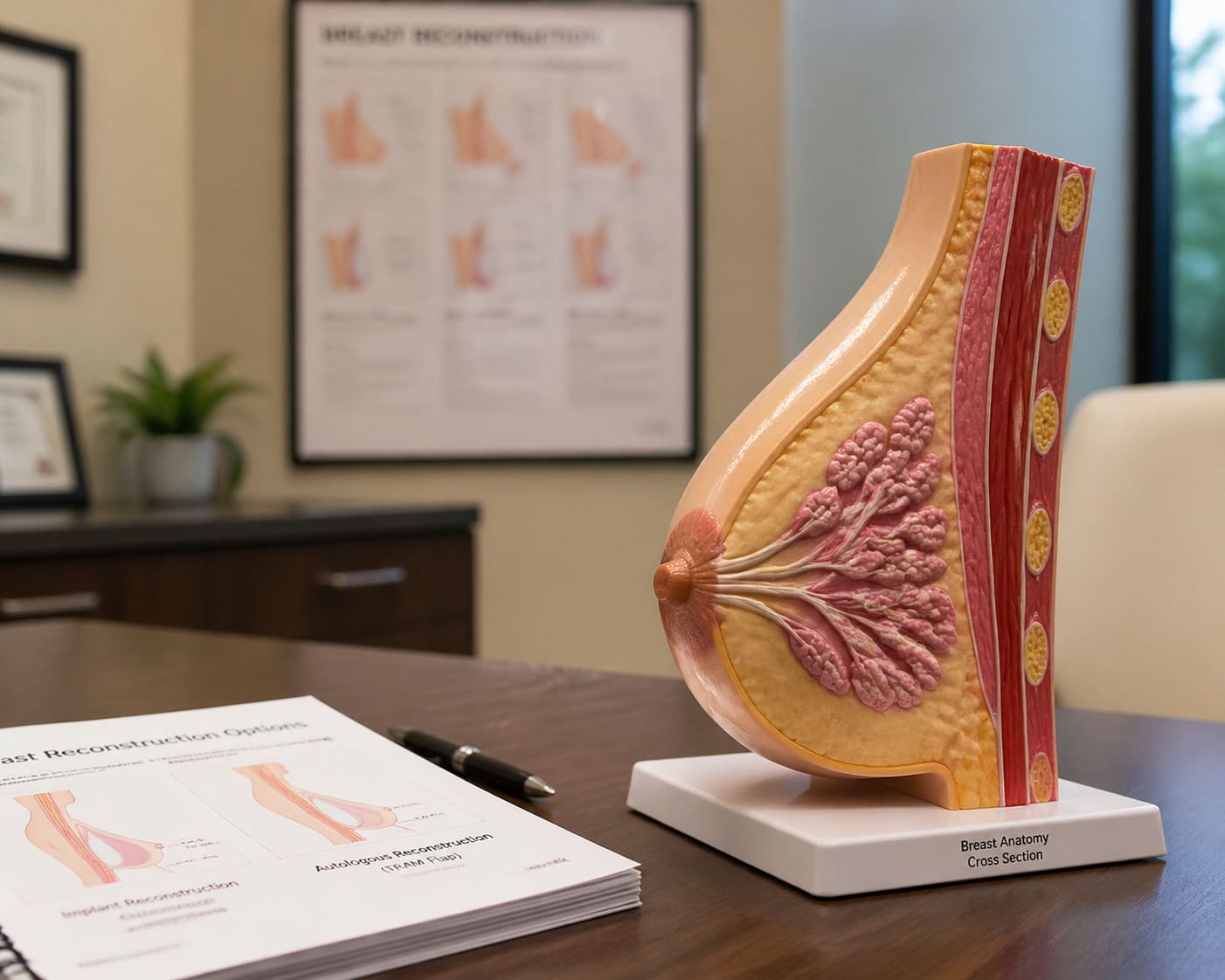
After reconstruction, the most useful question is which tissue remains and what should still be imaged. That detail usually determines whether routine mammograms are needed on one side, both sides or not at all.

How should you judge whether your follow-up plan is clear enough?
A follow-up plan is useful only if you can use it between appointments. If you need to guess whether a mammogram is due, whether PIFU applies to you, or who deals with hormone therapy side effects, the plan needs clearer wording.
These are sensible questions to take into clinic:
- Which breast tissue is being checked by mammogram, and how often?
- If I had a mastectomy, does the opposite breast still need mammograms?
- Which symptoms should make me contact the breast team?
- If I am on patient initiated follow-up, how do I get back into clinic?
- Who reviews hormone therapy side effects, bone health or reconstruction concerns?
- Who is responsible for each part of the plan: surgeon, oncologist, breast care nurse or GP?
Private consultant review or a second opinion can be useful when your treatment history is complicated, such as after reconstruction, oncoplastic surgery, high-risk genetics, mixed advice, or symptoms that have not been clearly explained. In London-based consultant breast and oncoplastic care, we see the main value as interpretation: putting the operation, mammogram plan, treatment effects and symptom advice into one coherent plan.
Once routine checks, symptom-led review and named responsibility are separated on the page, follow-up stops being a vague promise and becomes something you can check against your own treatment history.

Expert breast surgery advice from a leading London consultant with over 30 years of experience.
Book ConsultationQuestions we get asked about breast cancer follow-up
How long does breast cancer follow-up last?
The length of follow-up depends on your treatment, ongoing medication, symptoms and local pathway. Your written plan should state the mammogram schedule and who reviews you after active treatment ends.
Who should I contact if I find a new lump after treatment?
Use the named contact in your care plan, which may be your breast care nurse, clinical nurse specialist or oncology team. If you cannot reach the team and you need clinical advice, your GP can help direct the concern.
Can patient initiated follow-up be changed back to timed appointments?
Yes, patient initiated follow-up can sit alongside timed appointments where fixed reviews are clinically needed. If PIFU does not suit your health needs or your treatment requires regular checks, the pathway should reflect that.
Do hormone tablets need follow-up after breast cancer treatment?
Yes, ongoing hormone therapy should be reviewed as part of follow-up. Side effects, adherence, menopause symptoms and bone health may all need discussion with your breast or oncology team.
Does reconstruction change the follow-up plan?
Reconstruction can change what needs checking in the chest wall, scar or reconstructed breast area. Mammogram planning still depends mainly on what breast tissue remains, so your operation report and follow-up plan need to line up.
This is general information, not medical advice.