What is the difference between sentinel node biopsy and axillary clearance?
In sentinel node biopsy or full lymph node clearance decisions, we usually use sentinel node biopsy when spread to the armpit lymph nodes has not been proven before surgery. Clearance, or radiotherapy to the armpit in selected cases, comes into the plan when spread is proven or the later node result shows higher-volume disease.

Sentinel node biopsy and axillary clearance do different jobs
Sentinel lymph node biopsy, often shortened to SLNB, removes the first lymph node or nodes most likely to drain cancer cells from the breast. Axillary lymph node clearance, also called axillary lymph node dissection and often shortened to ALND, removes a larger group of lymph nodes from the axilla, which means the armpit area.
Here is the useful comparison.
| Point of comparison | Sentinel lymph node biopsy | Axillary lymph node clearance |
|---|---|---|
| Main purpose | Usually staging, which means checking whether cancer has reached the lymph nodes | Usually treatment for proven or higher-volume lymph node disease |
| Usual number of nodes removed | Cancer Research UK says about 1 to 3 lymph nodes are usually removed | Cancer Research UK says clearance generally removes between 10 and 15 lymph nodes, although the number varies |
| When we consider it | When the armpit lymph nodes look clear on assessment, or a suspicious node biopsy is negative | When lymph node spread is proven before surgery, or when later sentinel node results show disease that needs further axillary treatment |
| Main trade-off | Less node surgery, with lower arm risk than wider removal, but it is still surgery | More axillary treatment, with greater potential arm effects such as swelling, stiffness, numbness or cording |
The mistake is to assume that taking out more lymph nodes is automatically safer. In early breast cancer care, the safest operation is the one that answers the right question. Sometimes the question is, “Has cancer reached the nodes?” Sometimes it is, “How do we treat known disease in the nodes?”
Those are different clinical jobs. We plan breast cancer lymph node removal around that difference, because arm function matters long after the wound has healed.
Expert advice on breast cancer treatment, cosmetic breast surgery, and reconstruction options in London.
Book a ConsultationThe decision starts before the breast operation
The lymph node plan starts with the information already available before surgery. We look at imaging, needle biopsy results where needed, the breast cancer type and the likely wider treatment plan before we decide whether sentinel node biopsy or axillary clearance fits best.
A typical decision pathway looks like this:
- Check the armpit lymph nodes on ultrasound. Many patients have an ultrasound of the lymph nodes under the arm during breast cancer assessment. If the nodes look normal, that usually keeps sentinel node biopsy in view for staging.
- Biopsy an abnormal-looking node. When a node looks suspicious, a needle biopsy can test whether cancer cells are present before the main breast operation.
- Use sentinel node biopsy when the axilla is clear or biopsy-negative. NICE recommends sentinel lymph node biopsy rather than axillary clearance to stage the axilla in invasive breast cancer when ultrasound shows no lymph node involvement, or when ultrasound-guided needle biopsy is negative.
- Plan clearance when spread is proven before surgery. NICE recommends axillary node clearance for invasive breast cancer when lymph node spread is already proven on preoperative ultrasound-guided needle biopsy.
- Match the node plan to the full cancer plan. Radiology, pathology and oncology input all matter, because lymph node surgery may affect radiotherapy, drug treatment decisions and the timing of any reconstruction.
No surgeon should choose this in isolation or from habit. The recommendation should follow the evidence in front of you, then sit within the whole cancer treatment plan.
Ask whether the axillary plan is for staging or treatment. That single distinction often explains why the operation is smaller in one case and wider in another.

A positive node before surgery changes the question
A node proven positive before surgery creates a different decision from a positive sentinel node reported after surgery. Timing matters because the first result is already known before the operation, and the second result comes from a staging test.
A proven positive node before surgery points to treatment planning
When ultrasound-guided needle biopsy proves cancer in an armpit lymph node before the main breast operation, we are no longer using the node operation mainly to ask whether spread has happened. We already have that answer.
At that point, the discussion may move to axillary clearance as treatment for known lymph node disease. The decision still sits within wider planning, including breast surgery, radiotherapy and the biology of the cancer. It is not a punishment for having a positive node. It is a different starting point.
At D B Ghosh Breast Surgeon Specialist in Cancer and Cosmetic Surgery, we find this distinction is especially useful in London-based second opinion discussions, because two recommendations can sound conflicting when the timing of the positive result has not been explained clearly.
A positive sentinel node needs careful interpretation
A positive sentinel node after surgery does not automatically mean a full lymph node clearance. The pathology report matters, because it tells us the amount of cancer found in the sentinel node.
A macrometastasis means a larger deposit of cancer cells in the node. NICE recommends further axillary treatment, either axillary clearance or radiotherapy, when one or more sentinel lymph nodes contain a macrometastasis.
A micrometastasis means a smaller deposit. NICE says further axillary treatment should not be offered when sentinel nodes contain only micrometastases after primary surgery for invasive breast cancer.
Isolated tumour cells are smaller again. NICE says they should not trigger further axillary treatment and should be classified as lymph node-negative breast cancer.
That is why the words “positive sentinel node” are not enough on their own. We need to know what kind of positivity the pathologist has found, then decide whether further surgery, axillary radiotherapy or no further axillary treatment is the right fit.
Breast surgery type can alter the lymph node plan
Why can the breast operation change the lymph node decision? Because lymph node surgery is planned alongside the breast operation, and some choices affect what can sensibly be done at the same time.
Ductal carcinoma in situ, called DCIS, is an early breast condition in which abnormal cells are inside the milk ducts. It is treated differently from invasive breast cancer, and the node plan differs too.
For DCIS treated with breast-conserving surgery, such as wide local excision or lumpectomy, NICE says sentinel lymph node biopsy should not routinely be performed unless the person is considered at high risk of invasive disease. Examples include a palpable mass or extensive microcalcifications.
Mastectomy for DCIS is different. NICE recommends offering sentinel lymph node biopsy to all people having mastectomy for DCIS. We plan the breast and axillary operation together, because the breast surgery choice can change the safest timing for checking the nodes.
If a sentinel node is reported as positive, ask for the exact wording of the pathology. Macrometastasis, micrometastasis and isolated tumour cells can lead to different next steps.

A good lymph node plan protects cancer control and arm function
Once the immediate operation is agreed, the longer view still matters. Lymph node treatment has to control cancer in the armpit area where needed, give accurate staging information and protect your arm as far as the cancer plan allows.
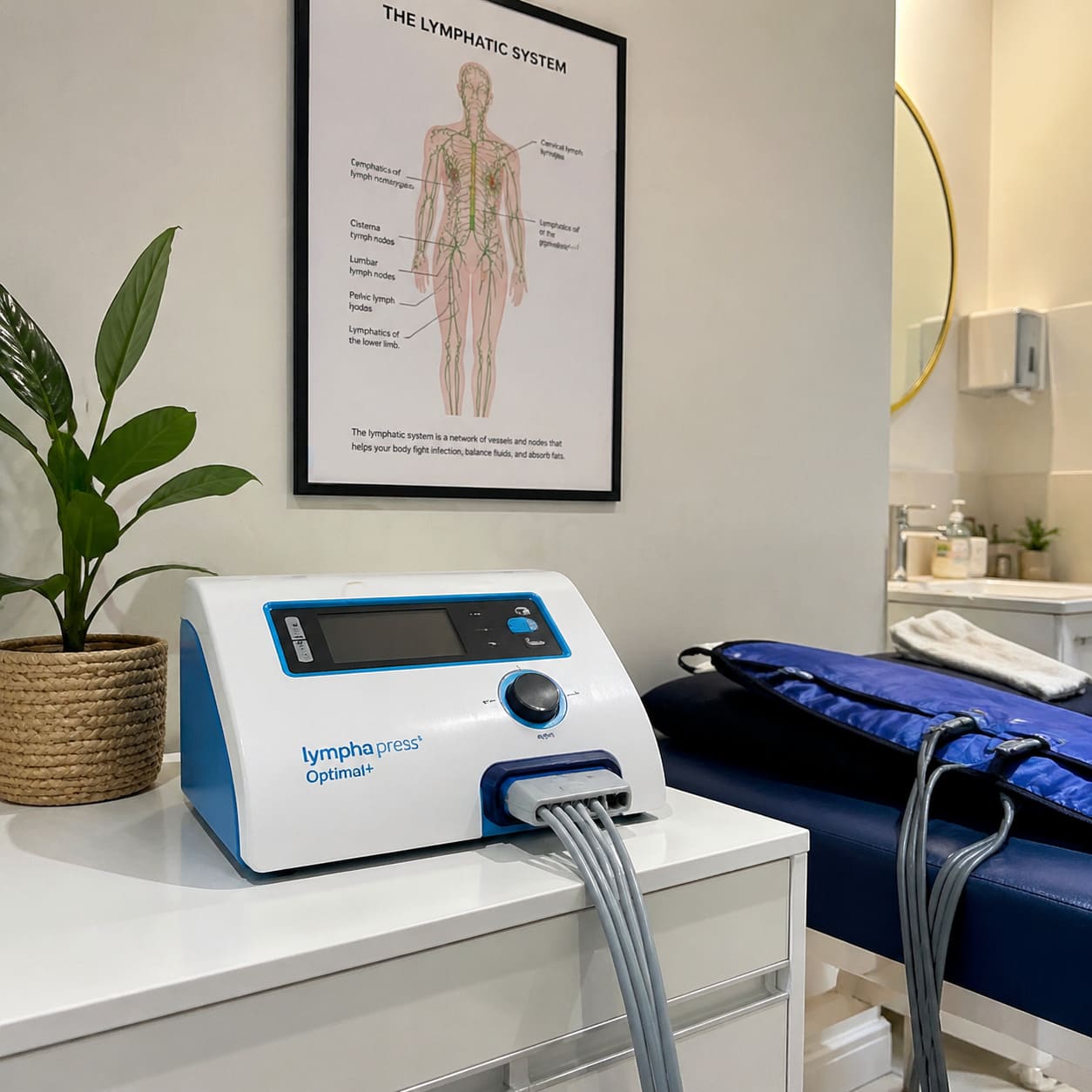
Sentinel node biopsy can still cause lymphoedema, which means swelling caused by fluid build-up after lymph drainage is affected. Cancer Research UK is clear that the risk is much lower than after removing most lymph nodes in the area, but lower risk does not mean no risk. Stiffness, numbness and cording, which feels like a tight band under the skin, also need proper advice and follow-up.
Good clinic questions cut through vague explanations. We would want you to leave knowing what was found, what the node operation is meant to achieve and what result would change the plan.
- Was my axillary ultrasound normal? If a node looked abnormal, ask whether a needle biopsy was done and what it showed.
- Is this lymph node operation for staging or treatment? That answer tells you why the amount of surgery differs.
- What would happen if the sentinel node contains cancer cells? Ask how macrometastasis, micrometastasis or isolated tumour cells would change the plan.
- Could axillary radiotherapy be relevant in my case? Radiotherapy to the armpit can be discussed instead of further surgery for some people, but selection matters.
- How will my arm be monitored after treatment? New swelling should lead to timely review and, where needed, referral to a lymphoedema specialist service.
At D B Ghosh Breast Surgeon Specialist in Cancer and Cosmetic Surgery, we frame this discussion around the sequence of evidence: what imaging showed before surgery, what pathology proves after surgery and how the breast operation affects the options. That sequence is where clear surgical judgement sits.
Over the next 12 to 24 months, axillary planning will keep becoming more selective. Same-operation testing with one step nucleic acid amplification, known as OSNA, is already used in some hospitals to test sentinel nodes during surgery, and magnetic tracer methods such as Magtrace and Sentimag are also used in some hospitals to help find sentinel nodes. The direction is clear: fewer automatic decisions, more precise matching of lymph node treatment to the cancer in front of us.

Expert breast surgery advice from a leading London consultant with over 30 years of experience.
Book ConsultationCommon questions about lymph node surgery in breast cancer
Can sentinel node biopsy be done at the same time as lumpectomy or mastectomy?
Yes, sentinel node biopsy can be done during the same operation as breast-conserving surgery or mastectomy when it is indicated. The decision depends on the diagnosis, imaging findings and the planned breast operation.
Does a clear lymph node ultrasound mean I definitely have no spread?
A clear ultrasound is reassuring, but sentinel node biopsy may still be used in invasive breast cancer to stage the axilla. The operation checks the first draining lymph nodes under the microscope.
Will I need another operation if cancer is found in a sentinel node?
Some people need further axillary treatment after a positive sentinel node, and some do not. The answer depends on whether the result shows macrometastasis, micrometastasis or isolated tumour cells, and whether radiotherapy is suitable.
Is axillary radiotherapy the same as lymph node clearance?
Axillary radiotherapy is treatment to the armpit lymph node area using radiotherapy, while clearance is surgery to remove lymph nodes. In selected cases, radiotherapy may be discussed instead of further surgery.
Can lymphoedema happen after sentinel node biopsy?
Yes, lymphoedema can happen after sentinel node biopsy, although the risk is lower than after more extensive lymph node removal. Any new or persistent arm swelling after treatment should be assessed.
This is general information, not medical advice.