What should you expect after a mastectomy with reconstruction?
Recovery after a mastectomy with reconstruction usually takes several weeks, and the early days are shaped by drains, wound care, movement, and the reconstruction method. We plan recovery around your cancer treatment pathway too, because chemotherapy or radiotherapy can affect timing, healing, and how much help you need at home.
Comparing every mastectomy reconstruction recovery as though it follows one timetable is the main mistake. Mastectomy alone and mastectomy with immediate reconstruction are different operations, and implant reconstruction does not recover in the same way as own-tissue reconstruction, where tissue is taken from another part of the body.
NHS guidance gives a broad guide that many people return to most usual activities in around 3 weeks after mastectomy, with wounds taking around 6 weeks to fully heal. Reconstruction can lengthen that pattern, so we use those figures as a guide, not a promise.
Compare implant and own-tissue recovery
An implant reconstruction and an own-tissue reconstruction can both form part of a safe breast cancer plan, but they place different demands on your body in the first days and weeks. The right choice depends on cancer safety, your build, previous surgery, further treatment, and what you want the reconstruction to achieve.
At D B Ghosh Breast Surgeon Specialist in Cancer and Cosmetic Surgery, we discuss these choices as part of London-based consultant breast and oncoplastic care, because speed of early recovery is only one part of the decision.
| Recovery point | Implant reconstruction | Own-tissue reconstruction |
|---|---|---|
| Operation pattern | Uses an implant to rebuild the breast shape | Uses your own tissue, often from another body area |
| Early hospital stay | Often shorter than tissue reconstruction | Often longer, because another area also needs to heal |
| Monitoring after surgery | Focuses on wounds, comfort, swelling, and implant position | Includes close checks of the flap’s blood supply |
| Movement at home | Arm and shoulder movement still needs guidance | Movement can be affected by the tissue donor area |
| Main trade-off | Less surgery outside the breast area | More surgery at first, with a more involved recovery |
Macmillan Cancer Support describes implant reconstruction as involving up to 2 nights in hospital, and tissue-flap reconstruction as involving up to 7 nights. Tissue flaps are also checked frequently for the first 24 to 48 hours, because the blood supply to the tissue matters in early recovery.
Immediate reconstruction means reconstruction at the same time as the mastectomy. Delayed reconstruction means reconstruction months, or sometimes years, later. A combined reconstruction can use an implant and your own tissue. None of these options is automatically the right one; the plan has to fit the cancer treatment and the healing risk.
Plan the first days around drains and movement
Waking after surgery commonly means dressings on the wound, one or more drains, prescribed pain relief, and help from nurses to get out of bed. Drains are temporary tubes that remove fluid or blood from the wound area, and they are a normal part of aftercare.
Cancer Research UK says wound drains often stay in until the drainage becomes small or stops, usually about 2 to 5 days after the operation. Some people go home with a drain still in place, so discharge should include clear written instructions and a nursing plan.
- Waking after surgery. Nurses check your blood pressure, wound dressings, comfort, and drains. If lymph node surgery was done, the armpit can be sore as well as the breast area.
- Getting mobile starts early, but it is controlled. Many people are walking later the same day or the morning after breast surgery, although reconstruction, especially using abdominal tissue, can slow that down.
- Drain monitoring is part of the routine. The team looks at how much fluid is coming out and decides when removal is appropriate.
- Discharge planning should cover wound care, drain care if needed, pain relief, and who to contact if something changes.
- Arm and shoulder exercises should be explained before you leave hospital. A physiotherapist or breast care nurse may give you specific exercises, and reconstruction involving another body area can mean extra guidance.
Before discharge, we want you to understand what is expected at home and what is outside the plan, because drain care should never be left to guesswork.
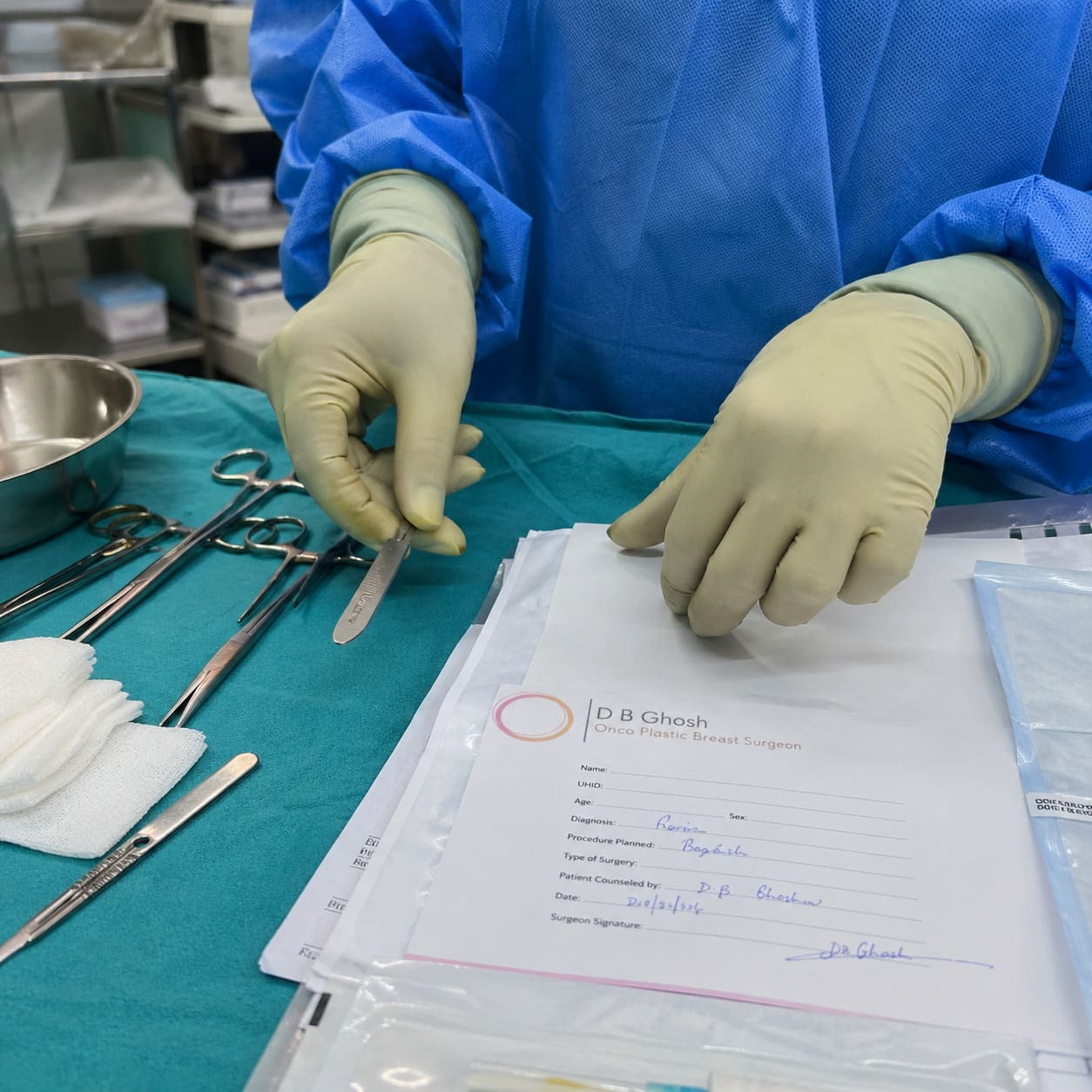
Expert advice on breast cancer treatment, cosmetic breast surgery, and reconstruction options in London.
Book a ConsultationTreat symptoms by category
Some pain, bruising, swelling, and numbness are expected after breast reconstruction, but changes that worsen or appear suddenly need prompt advice. The practical filter is simple: expected symptoms can be monitored as advised, unclear symptoms should be checked, and severe symptoms need urgent help.
Pain and discomfort are common in the first week after breast surgery. Pain in the armpit can happen if lymph nodes have been removed or sampled. Pain that gets worse, does not settle with the plan you were given, or arrives with other warning signs should be checked by your healthcare team.
Numbness or pins and needles across the chest or reconstructed breast are also usual after reconstruction. Sensation can improve over months or years, but some numbness can remain.
Contact your team, NHS 111, or emergency services as instructed if any of these occur:
- Heat, redness, swelling, pain, or colour change around the breast or scar.
- Fluid leaking from the wound, especially if it is new or increasing.
- A temperature above 38°C, shivering, shakiness, or feeling generally unwell.
- Sudden pain or swelling after a recent mastectomy.
- Bleeding from the wounds or sudden loss of feeling in the arm.
- Severe breathing difficulty, chest or upper back pain, a very fast heartbeat, or collapse. These symptoms need 999 or A&E.
Warning signs are not a test of toughness. We prefer you to use the advice you were given by the breast care nurse or surgical team, rather than waiting to see whether a worrying symptom settles.
Ask which symptoms are expected for your specific reconstruction, and which ones should trigger a call the same day. That makes home recovery easier to judge.

Resume daily life by function
Driving, work, lifting, and housework should be judged by what you can safely do, not by a fixed date in the calendar. A useful recovery plan links daily tasks to pain control, wound healing, movement, and the type of reconstruction.
Driving is a good example. You need to be able to use the controls safely, wear a seatbelt comfortably, and perform an emergency stop. Many people return to driving within a few weeks, but some take longer, and insurer guidance still matters.
Lifting needs the same functional thinking. Activity should build gradually, but heavy lifting should wait until your surgeon says it is safe. At first, that includes lifting babies or children and tasks such as vacuuming, because those movements can pull across healing tissue.
Work depends on the job. A desk-based return is different from a physical role, but both need individual advice because tiredness, pain relief, drains, and arm movement all change what is realistic. Planning this before surgery avoids a poor fit between your recovery and your work demands.
Bras are practical after reconstruction. A soft supportive bra without underwires is usually advised at first, and a front-fastening bra can be easier because it avoids twisting and overhead movement. Some implant reconstructions involve a stabiliser band for a period if the team advises it.
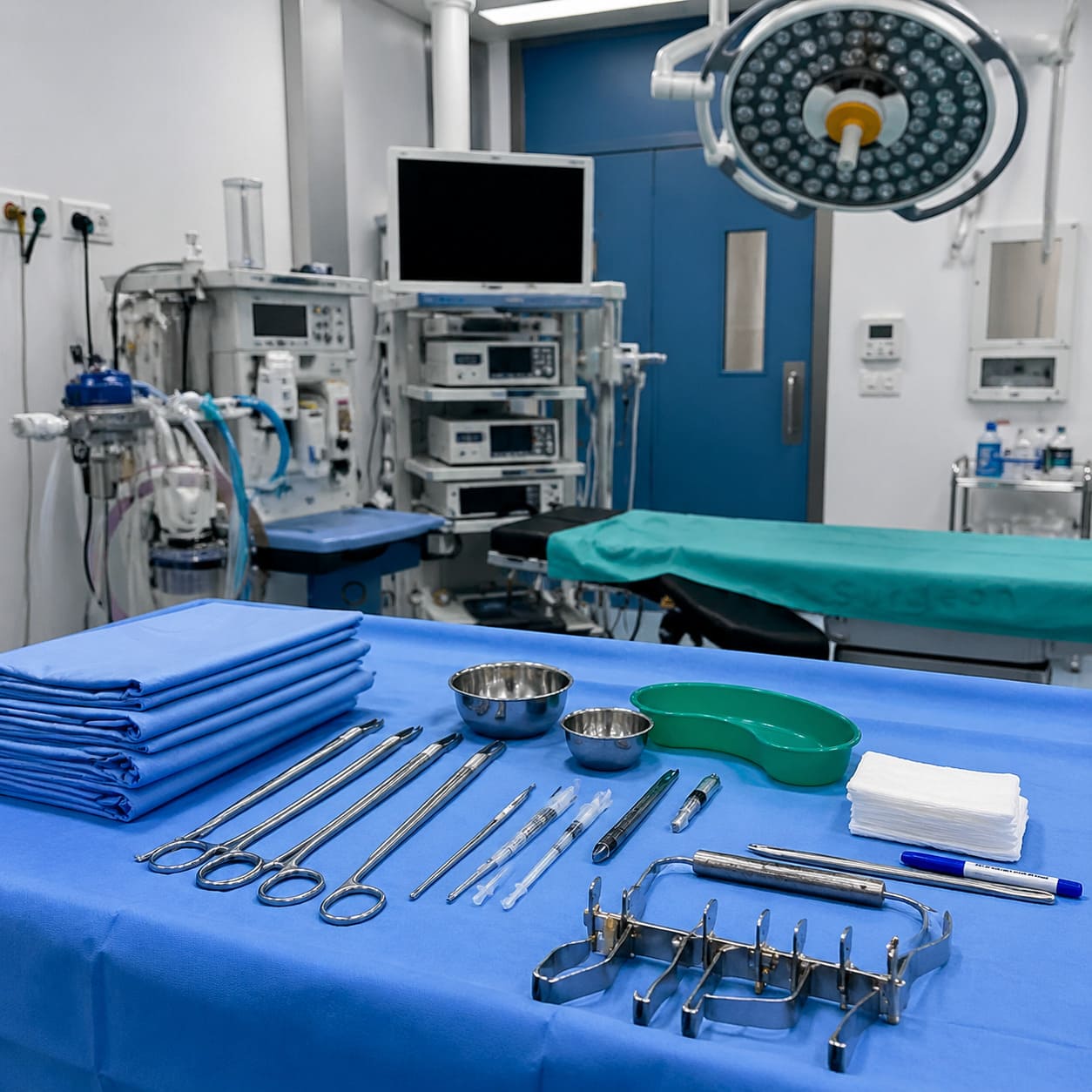
Check whether your exercises begin before discharge or after the drain is removed. The timing often changes how comfortable the first week feels.

Check the wider cancer treatment plan
One surgical choice can affect the next part of treatment, so recovery needs to be planned before the operation rather than added on later. A person having immediate reconstruction before further treatment has a different set of questions from someone planning delayed reconstruction after radiotherapy.
Immediate reconstruction happens during the same operation as the mastectomy, and it involves a longer operation and recovery than mastectomy alone. Delayed reconstruction takes place later, sometimes months or years after the mastectomy. If radiotherapy is needed before delayed reconstruction, Macmillan says patients usually wait about 6 to 12 months before reconstructive surgery, sometimes longer, so the chest skin can recover.
Chemotherapy and radiotherapy also influence how we talk about wound healing, follow-up, and timing. The exact plan belongs in your clinic discussion with the breast surgeon and oncology team, because cancer safety comes first and the reconstruction plan has to fit around it.
At D B Ghosh Breast Surgeon Specialist in Cancer and Cosmetic Surgery, we see this planning point most clearly in second-opinion and complex reconstruction discussions. A good discussion connects the operation, the expected recovery, and the likely next treatment stage in one plan, so you are not left with separate pieces of advice that do not fit together.
Leave clinic knowing what to check
A clear recovery plan should answer practical questions before the operation. We would want you to leave clinic knowing how your reconstruction type changes recovery, what help you need at home, and which symptoms need advice.
Use these questions to test whether the plan is clear:
- What type of reconstruction am I having, and how does that change my hospital stay?
- Will I have drains, and could I go home with one still in place?
- What wound care instructions will I have in writing?
- Which arm, shoulder, or body exercises should I do at home?
- What should I avoid lifting, and for how long should I avoid it?
- How should I judge driving, work, and housework?
- Could radiotherapy or chemotherapy change the timing of reconstruction or recovery?
- Which symptoms should make me contact the team, NHS 111, or emergency services?
Recovery feels less uncertain once you know exactly what to check: the operation type, the drain plan, the wound plan, the movement plan, the treatment sequence, and the warning signs that should not be waited out.
Expert breast surgery advice from a leading London consultant with over 30 years of experience.
Book ConsultationQuestions we get asked about mastectomy reconstruction recovery
Does delayed reconstruction mean reconstruction has been forgotten?
Delayed reconstruction means the breast shape is rebuilt at a later stage, sometimes months or years after the mastectomy. Timing can be planned around radiotherapy, wound healing, or other treatment needs.
Will I need help at home after mastectomy reconstruction?
Most people need practical help at first, especially with lifting, shopping, childcare, housework, and travel. The amount of help depends on the reconstruction type, pain control, drains, and how easily you can move.
Who explains the exercises after surgery?
A physiotherapist or breast care nurse usually explains arm and shoulder exercises before you go home. The exercises are part of recovery because they reduce stiffness and help you regain movement safely.
Can lymph node surgery change recovery?
Lymph node surgery can add soreness or tightness in the armpit. Your team should explain how this affects exercises, wound checks, and what symptoms need advice.
Will breast reconstruction always be finished in one operation?
Some people need more than one operation to adjust shape or symmetry. Your surgeon should explain this possibility before surgery so you understand the likely pathway, not just the first operation.
This is general information, not medical advice.