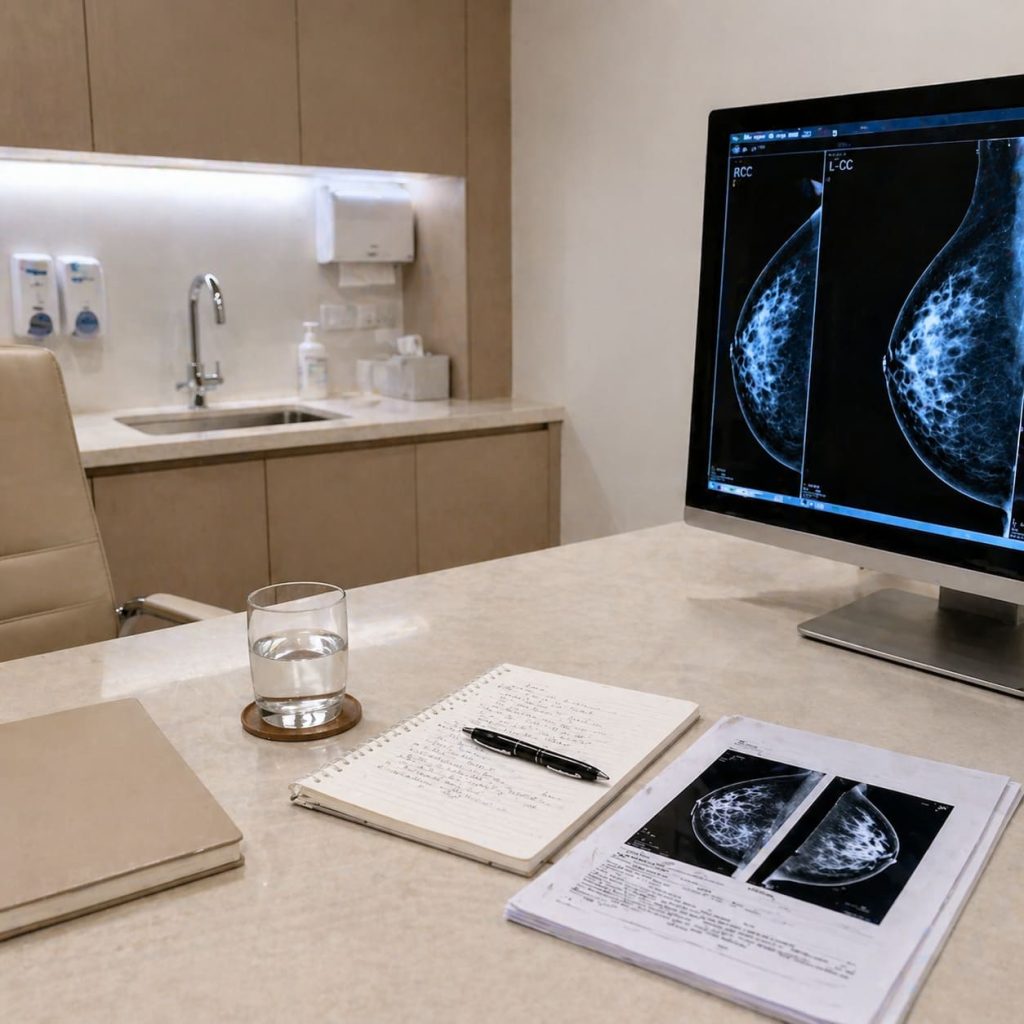
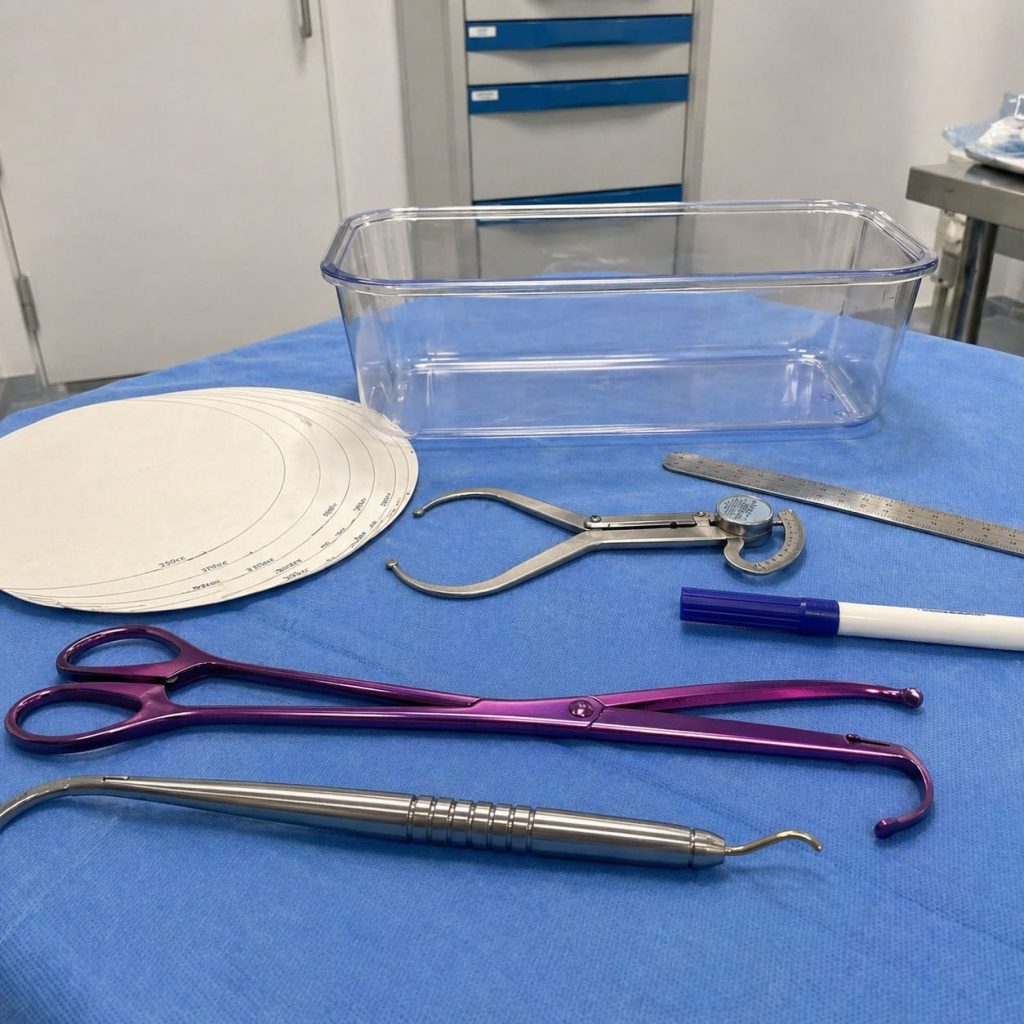
What does nipple reconstruction in London involve?
Nipple reconstruction in London can create a raised nipple with surgery, represent the nipple and areola with medical tattooing, use a removable prosthesis, or involve no further procedure. Your choice rests on whether physical projection, visual definition, avoiding surgery or matching the other breast matters most once reconstruction has settled.
Nipple reconstruction after mastectomy recreates or represents the nipple-areola complex, meaning the nipple and the surrounding pigmented skin. It forms an optional final or revision stage of breast reconstruction.
A nipple-sparing mastectomy preserves the natural nipple during the original operation. Nipple reconstruction creates a new nipple after the original nipple has been removed.
NICE, which covers England, recommends that breast reconstruction options are offered after mastectomy for breast cancer. Personal preference remains central, and some women choose no further nipple or areola procedure.
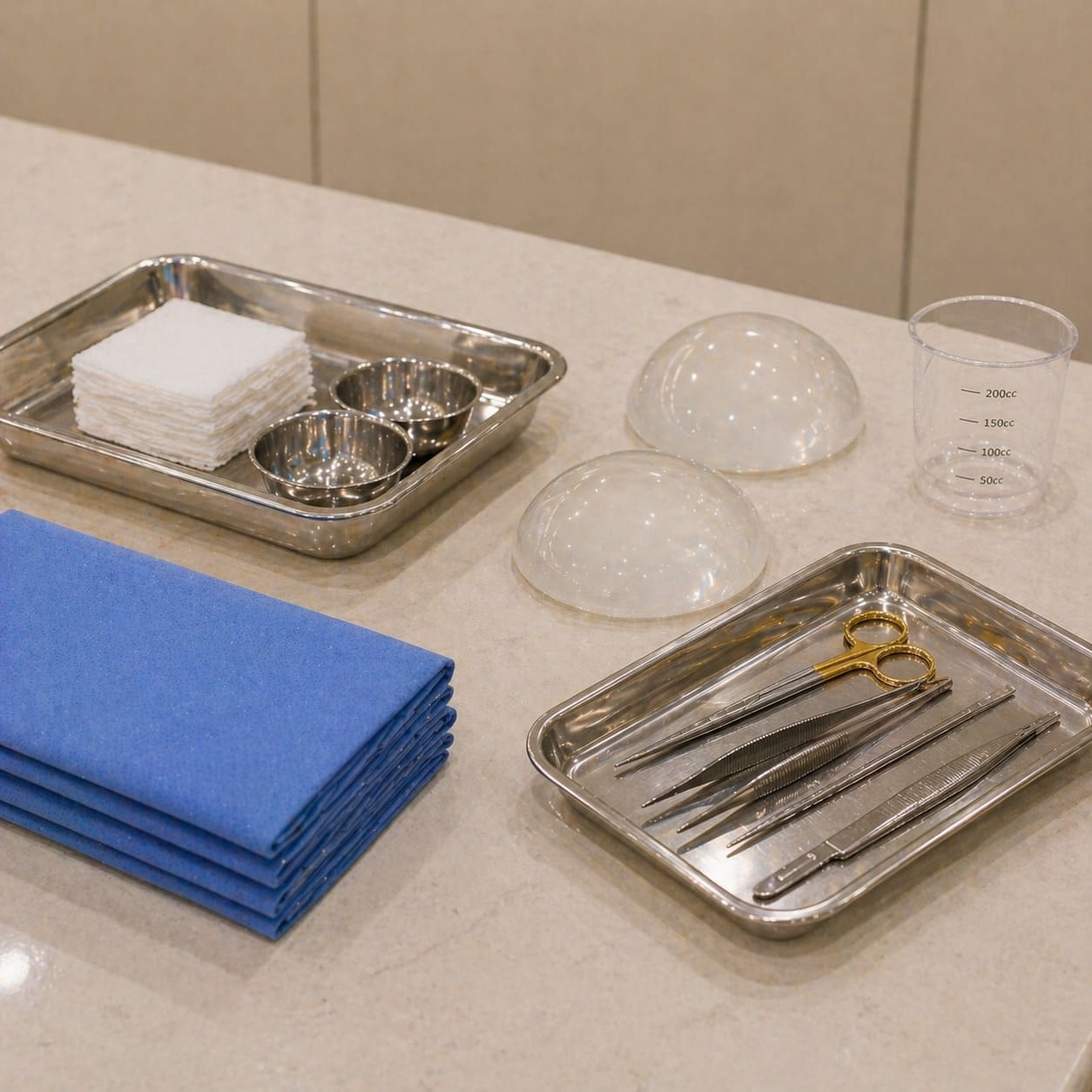
Surgical and non-surgical options create different results
Surgical nipple reconstruction gives you physical projection. Medical tattooing creates the appearance of projection through colour and shading on flat skin.
| Option | What it creates | Main consideration |
|---|---|---|
| Local-flap nipple reconstruction | A raised nipple formed by lifting and folding skin and underlying tissue from the reconstructed breast | Surgery is required, and projection can reduce over time |
| Nipple-sharing graft | Tissue transferred from the opposite natural nipple in selected one-sided reconstructions | The donor nipple becomes smaller and needs enough tissue for transfer |
| Medical nipple-areola tattooing | Colour and shading that give a three-dimensional visual effect | The skin remains flat, and pigment may fade |
| Silicone nipple prosthesis | A removable adhesive nipple and areola | The prosthesis needs ongoing use and leaves the breast unchanged |
| No further treatment | No nipple or areola reconstruction | The reconstructed breast remains as it is |
A local flap may suit someone who wants a physically raised nipple and has skin of suitable quality in the planned position.
A nipple-sharing graft uses part of the nipple from the other breast. This option mainly applies after reconstruction of one breast, where the opposite nipple has enough donor tissue and the change to that nipple feels acceptable.
Medical tattooing may define the areola, recreate colour and give a realistic visual effect. A three-dimensional nipple tattoo uses shading to suggest height, rather than creating a raised nipple.
No option guarantees an exact match with the opposite breast. Surgical projection and tattoo pigment can both change over time.
Expert advice on breast cancer treatment, cosmetic breast surgery, and reconstruction options in London.
Book a ConsultationYour reconstructed breast guides suitability
Nipple reconstruction suitability depends on the breast as it is now. Breast shape, scar position, skin thickness and the type of reconstruction all affect the options available.
Tissue and treatment history
Thin tissue over an implant can limit the skin available for a local flap. Extensive scarring, slow wound healing and reduced blood supply after radiotherapy can also make a projecting reconstruction less suitable.
Nipple reconstruction after radiotherapy needs an individual review because radiotherapy can affect skin quality and healing. Medical tattooing or no further procedure may provide a more appropriate route in some circumstances.
Mr Ghosh personally conducts your assessment, including the reconstructed breast, scar pattern, skin quality and previous treatment, before advising whether surgical reconstruction, tattooing or no further treatment is most appropriate.
Personal priorities and symmetry
Some women want a raised nipple. Others place greater value on avoiding another operation or on defining the areola with colour alone.
The opposite nipple can guide position, size and colour, yet symmetry remains an aim rather than a promise. Implant-based reconstruction, tissue-based reconstruction and previous revision surgery can each affect how closely the breasts can match.
No current NICE or NHS England recommendation specifies a universal interval for nipple reconstruction after breast reconstruction, chemotherapy or radiotherapy. Your surgeon should assess whether the breast has settled sufficiently for a final-stage decision during your London consultation.
Take details of your reconstruction, radiotherapy and previous breast surgery to your consultation. These factors can affect skin quality, healing and the suitability of a projecting reconstruction.

Discuss recovery and long-term changes
Recovery depends on the option selected and on any other surgery planned at the same time. Surgical nipple reconstruction is often a short procedure under local anaesthetic, although the setting and anaesthetic depend on your health and the wider surgical plan.
A reconstructed nipple has different sensation from a natural nipple. It does not respond to cold or touch by becoming erect.
Local-flap surgery can gradually lose projection as the tissue heals and settles. Medical tattooing can fade or heal with uneven colour, so some women choose further tattoo treatment later.
A consultation should cover the practical points that apply to your chosen route:
- Healing and scars: Surgical reconstruction carries risks of bleeding, infection, wound problems, scarring and loss of part or all of the reconstructed nipple where its blood supply is inadequate.
- Tattoo risks: Medical tattooing can cause infection, scarring, slight bleeding, skin irritation, pigment allergy and uneven colour.
- Expected result: Discuss the planned nipple position, likely projection, areola colour and the limits of matching the other breast.
- Possible revision: A further procedure or tattoo may be considered if projection reduces or colour fades.
Your treating team’s instructions take priority over general recovery guidance because wound care and activity advice vary between procedures.
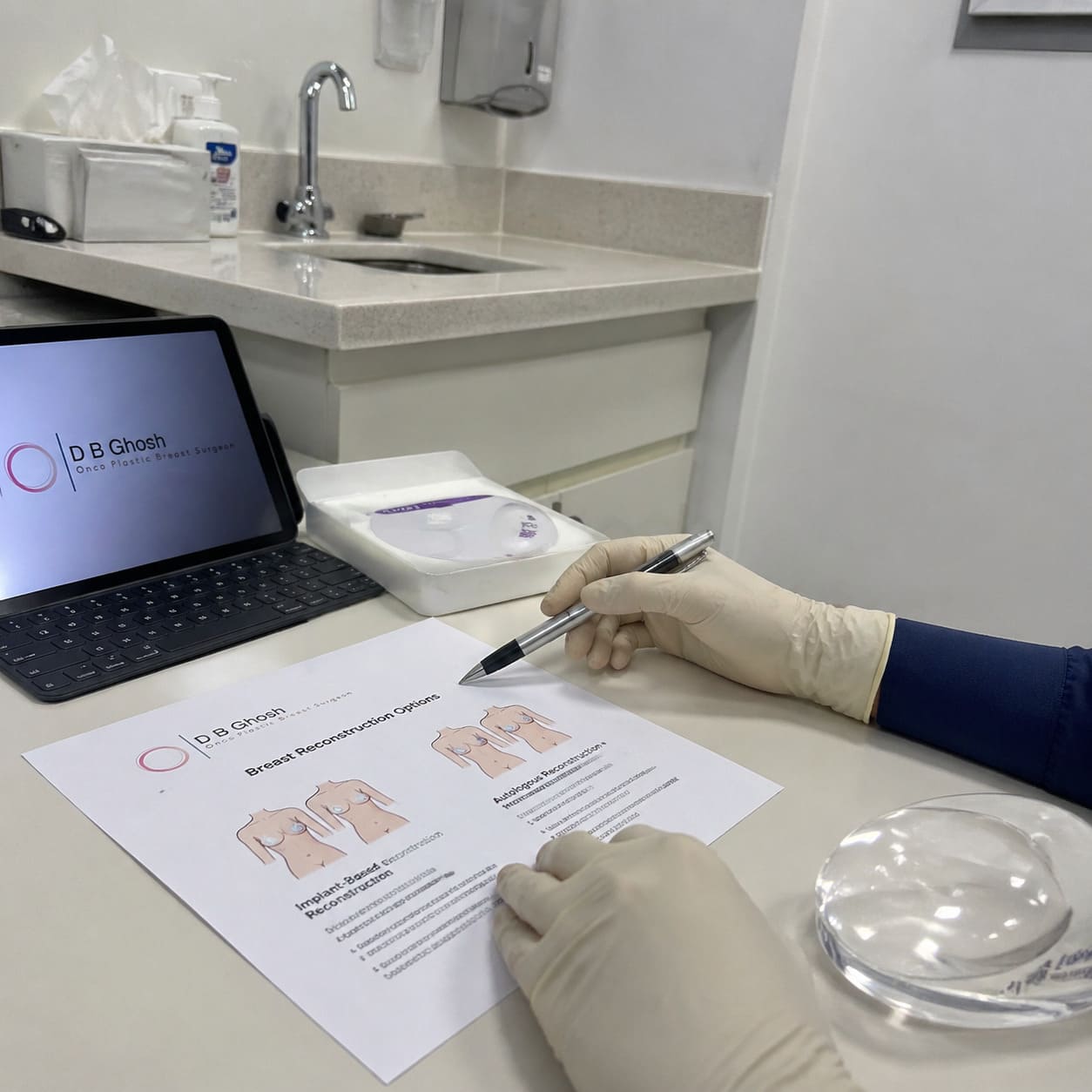
Ask how each option may change over time. Surgical projection can reduce, while tattoo pigment can fade or heal unevenly.

Planning after the main breast reconstruction
Nipple reconstruction can be considered after the main breast reconstruction. You can decide on it later instead of at the time of mastectomy. Specialist guidance supports discussion of planned additional procedures, likely recovery, procedure-specific risks and the possibility of later revision before you choose a route.
These questions can make a consultation or second opinion more focused:
- Is the skin over my reconstructed breast suitable for a local-flap nipple reconstruction?
- How could my scars, implant coverage or radiotherapy affect healing and projection?
- What result could medical tattooing create on my breast?
- Would a removable silicone nipple prosthesis suit the result I want?
- What changes might make a later revision procedure worth considering?
Breast shape, scars and treatment effects may influence a final-stage nipple reconstruction plan. A decision that remains adaptable gives the reconstructed breast time to show what it can support.
Expert breast surgery advice from a leading London consultant with over 30 years of experience.
Book ConsultationCommon questions about nipple reconstruction
Can nipple reconstruction be done under local anaesthetic?
Yes, surgical nipple reconstruction is often performed under local anaesthetic. Your surgeon will decide whether this suits you and whether any other planned surgery affects the setting.
Can I have nipple reconstruction after radiotherapy?
Yes, nipple reconstruction may still be considered after radiotherapy. Skin quality, scarring, blood supply and healing history guide whether surgery, tattooing or no further treatment fits your situation.
Will a reconstructed nipple stay raised?
A surgically reconstructed nipple can flatten gradually over time. A further procedure may be considered, although surgery cannot guarantee that projection will remain.
Can a nipple tattoo match my other breast exactly?
Medical tattooing can use different shades to create colour and depth. Exact colour matching cannot be guaranteed, and pigment may fade over time.
Can I choose a prosthetic nipple instead of surgery?
Yes. A silicone nipple prosthesis is a removable adhesive option that leaves the reconstructed breast unchanged and avoids further surgery.
This is general information, not medical advice.
Reviewed by Mr D. B. Ghosh, Consultant Breast Surgeon, dual European Board certified (FEBS) in Breast Surgery and Surgical Oncology, and Board Certified in Cosmetic Breast Surgery through the Royal College of Surgeons scheme. GMC 4657664.