
Does a breast cyst always need to be drained?
A breast cyst is usually a benign, fluid-filled lump, and most confirmed simple cysts do not need draining. We still assess a new lump properly because touch alone cannot prove it is a cyst; examination and imaging decide whether to leave it alone, drain it with a fine needle, or investigate further.
What is a breast cyst?
Treating “it feels like a cyst” as a diagnosis is the mistake we try to avoid. A breast cyst is a fluid-filled area in the breast that can feel like a lump, feel tender, appear quickly, or be seen on imaging before you have noticed anything yourself.
Fluid-filled means the lump contains fluid, which is different from a solid lump. That distinction matters because it affects the next step. A simple cyst that is clear on imaging and matches the clinical examination is usually managed very differently from a lump that has uncertain features.
Benign means non-cancerous. Breast Cancer Now describes breast cysts as very common, benign, and one of the most common causes of a breast lump. They can occur at any age, but they are most common in women over 35, including people who are premenopausal or taking hormone replacement therapy.
Still worth checking is the part people miss. Pain, tenderness, or a pattern that changes around your period does not prove a lump is harmless. NHS guidance says plainly that a lump in the breast or armpit needs GP review, because most lumps are harmless, but some need prompt assessment.
For us, the useful first question is not whether the lump sounds worrying. The useful first question is whether it has been confirmed as a simple cyst. That is why diagnosis comes before any talk of drainage.
Expert advice on breast cancer treatment, cosmetic breast surgery, and reconstruction options in London.
Book a ConsultationHow do we know a breast lump is really a cyst?
We do not diagnose a cyst reliably by touch alone. A breast lump needs clinical assessment and, where appropriate, imaging to show whether it is fluid-filled, solid, or unclear.
Examination and imaging answer different questions
Clinical examination looks at the breast and armpit, checks the feel and position of the lump, and places the finding in context. Imaging then adds information that fingers cannot give.
At a breast clinic, assessment may include examination, mammogram, ultrasound scan, and biopsy where needed. NHS guidance says these tests are often done during the same visit, although biopsy results may take about a week. In a London one-stop breast clinic setting, that coordination is a clinical safeguard because the decision is based on matched information rather than guesswork.
Ultrasound is especially useful for a suspected cyst because it helps show whether a lump is solid or fluid-filled. A mammogram can add other information depending on your age, breast tissue, and the clinical picture. Neither test exists to push you into a procedure; the purpose is to answer the right question.
At D B Ghosh, we approach a breast cyst finding as part of consultant-led breast assessment in London. We first want to know whether the lump behaves like a simple cyst, because drainage without that clarity can confuse the picture.
Aspiration and biopsy are not the same thing
Fine needle aspiration means drawing fluid out of a cyst with a fine needle and syringe. A biopsy means taking a small tissue sample for testing. Those are different procedures with different purposes.
Aspiration may give comfort if the cyst is tense or painful. It may also help diagnosis if the lump disappears after the fluid is removed. Biopsy is used when tissue needs to be checked, such as when imaging or examination does not give enough certainty.
Referral language also matters. NICE NG12 recommends a suspected cancer pathway referral for people aged 30 and over with an unexplained breast lump, with or without pain. That does not mean the lump is cancer; it means the system treats an unexplained lump seriously enough to assess it properly. Only then does the drainage question become sensible.
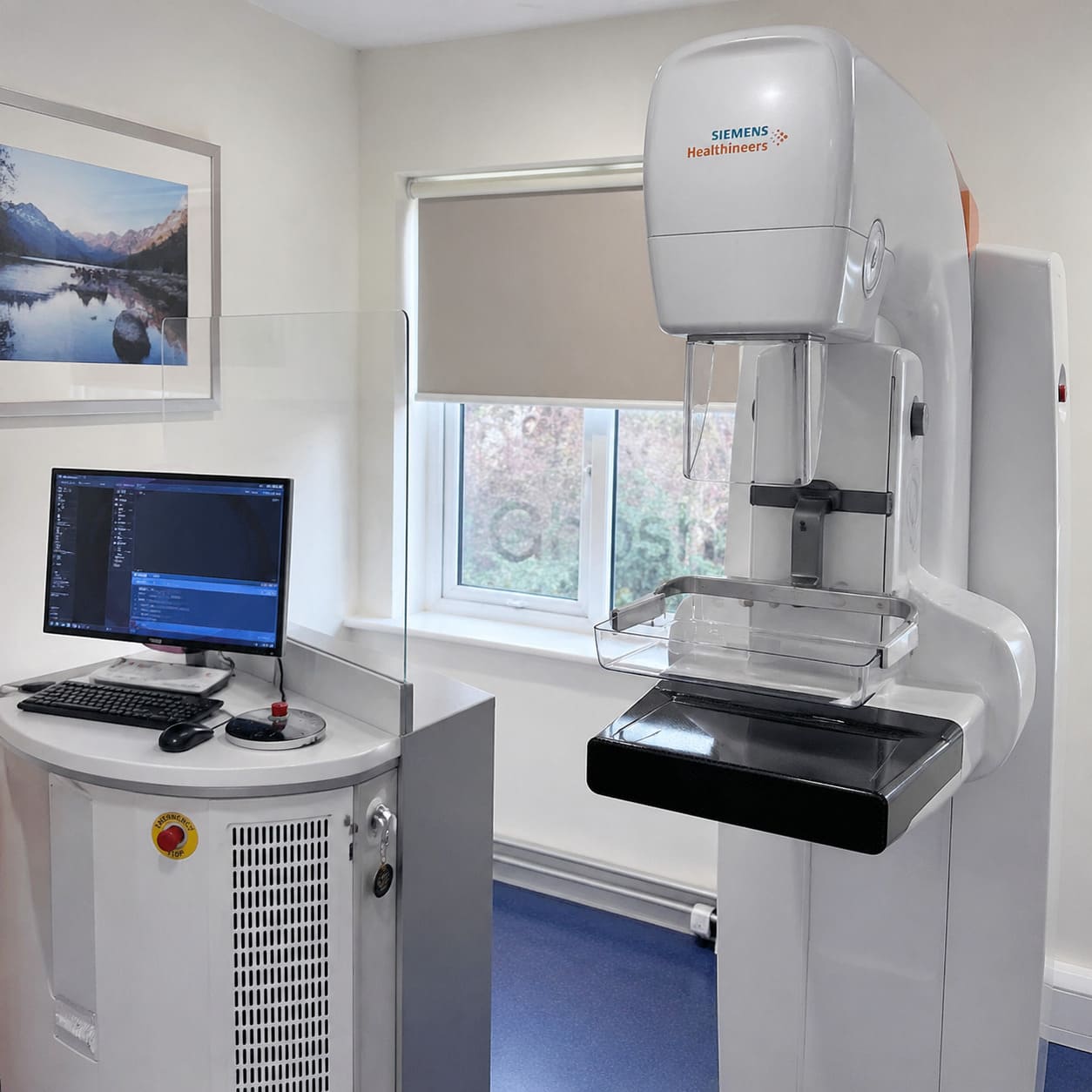
A cystic feel alone does not confirm a breast cyst. Imaging is often what separates a simple cyst from a lump that needs more assessment.

Does a breast cyst ever need to be drained?
Most confirmed simple breast cysts do not need draining. Aspiration becomes useful when a cyst is large, painful, uncomfortable, or when removing fluid helps settle diagnostic uncertainty.
Here is the practical distinction we use in clinic:
| Situation | What we may do | Why |
|---|---|---|
| Confirmed simple cyst with no troublesome symptoms | Leave it alone | Most simple cysts need no treatment or follow-up |
| Large or uncomfortable cyst | Fine needle aspiration | Removing fluid can relieve pressure and discomfort |
| Lump looks cystic but remains uncertain | Aspiration, imaging review, or biopsy planning | The aim is diagnostic clarity |
| Fluid is blood-stained or infection is suspected | Send fluid to the laboratory | The fluid needs checking for the reason |
Drainage usually means fine needle aspiration, not surgery. A specialist uses a fine needle and syringe to draw off the fluid, sometimes with ultrasound guidance so the needle is placed accurately.
At D B Ghosh, we separate three decisions before recommending aspiration: whether the cyst is causing symptoms, whether the diagnosis is clear, and whether the fluid would need testing. Those questions keep aspiration in its proper place, as a selective step rather than the default response to every breast cyst.
Blood-stained fluid is treated differently from clear cyst fluid because it usually goes to a laboratory to check the reason. Fluid may also be sent if infection is suspected. A small, settled simple cyst and a painful tense cyst are different clinical situations.
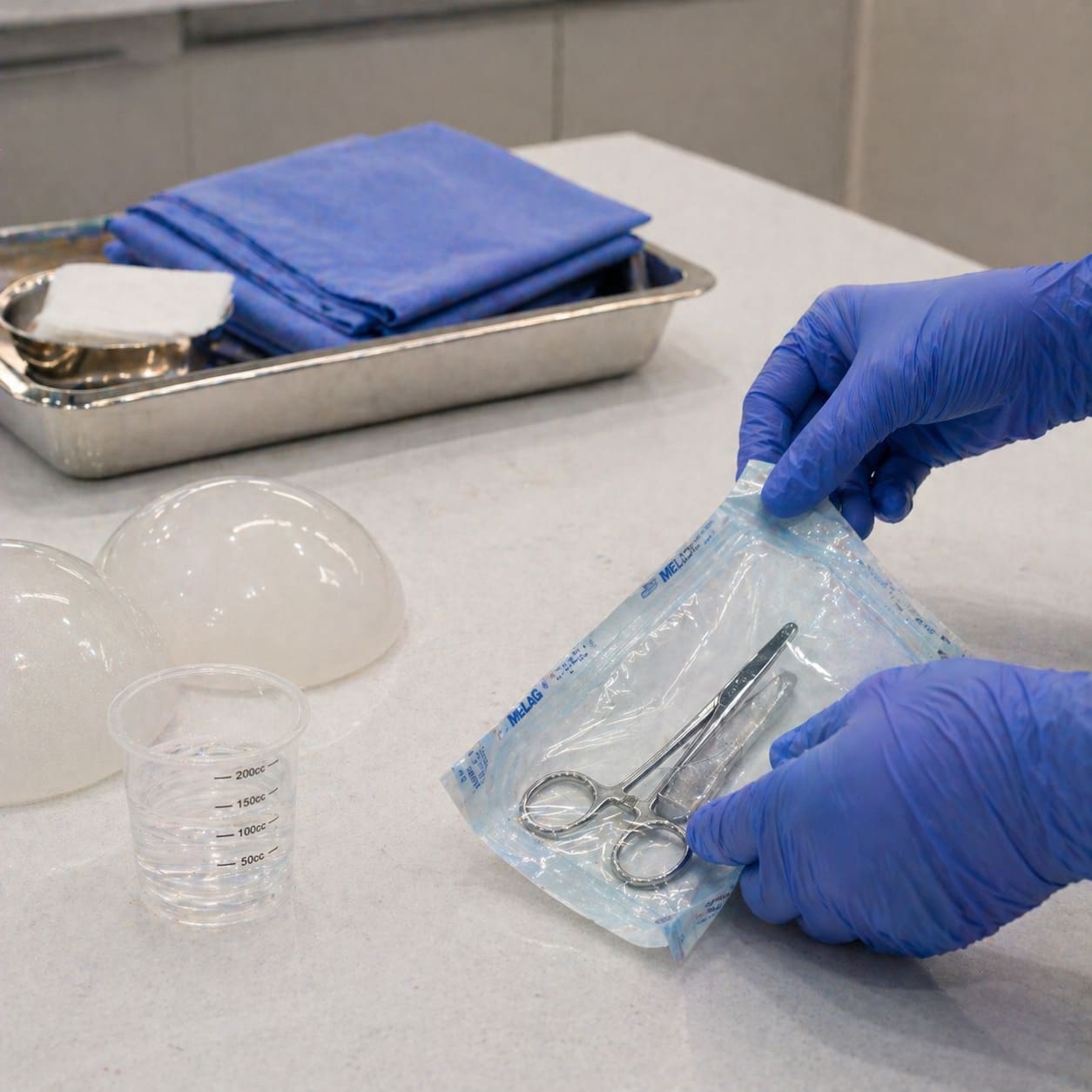
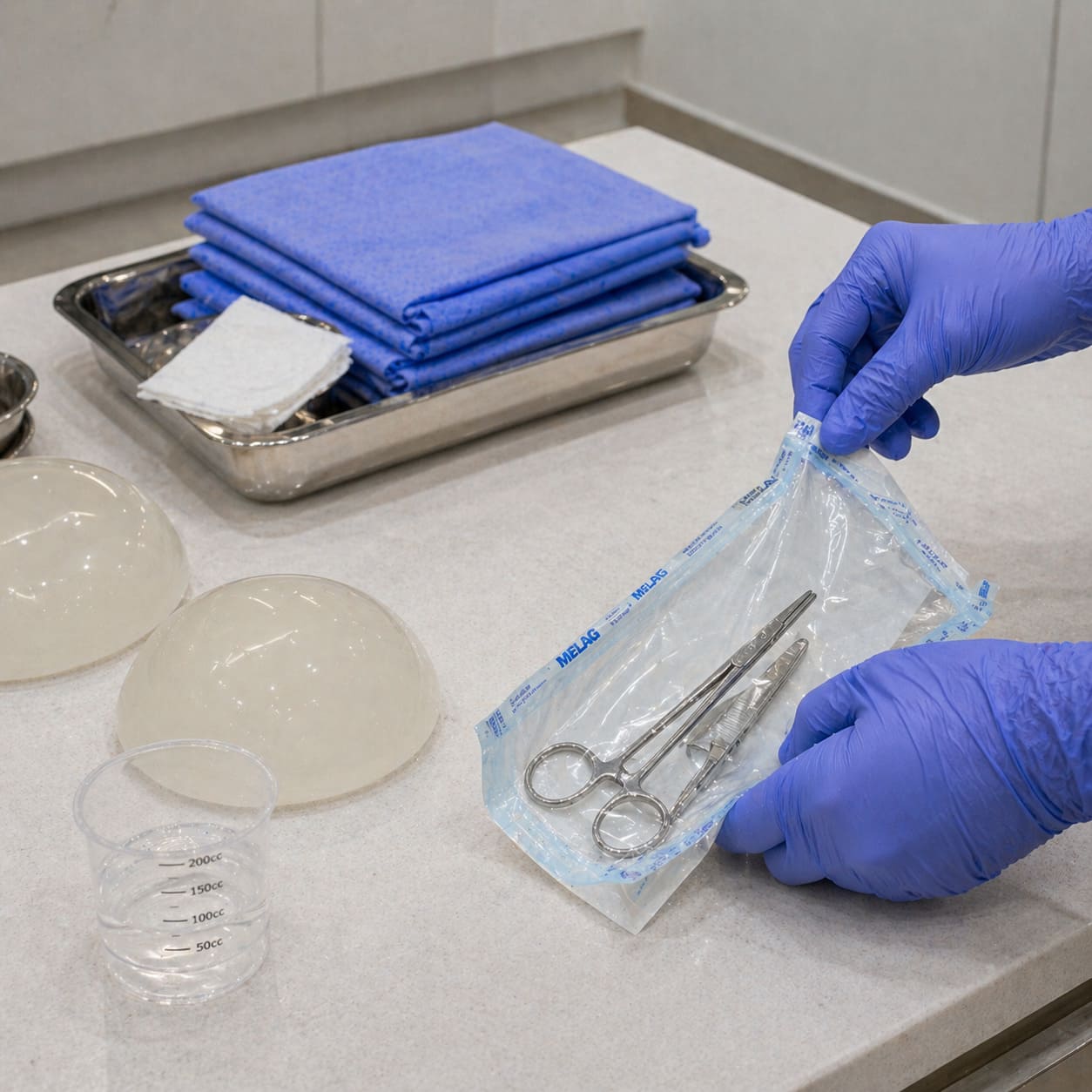
What happens during breast cyst aspiration?
Worried it is an operation? Breast cyst aspiration is a short clinical procedure that uses a fine needle and syringe to remove fluid from the cyst.
A typical aspiration follows a simple order:
- We confirm the target first. The lump and imaging findings are checked so the procedure matches the clinical question.
- A fine needle is placed into the cyst. Ultrasound guidance may be used where it helps accuracy.
- Fluid is drawn into a syringe. The lump often reduces or disappears as the fluid comes out.
- We check what remains. If the lump has gone, that supports the cyst explanation; if a lump remains, further assessment may be needed.
- Fluid is considered for testing only when its appearance or the clinical findings call for it.
After aspiration, the cyst usually disappears. The area can feel bruised or tender for a few days, and paracetamol can help with discomfort if you can take it safely.
A remaining lump changes the question. We then look again at whether the finding is truly cystic, whether imaging needs review, or whether biopsy is the clearer next step. A cyst that fully collapses gives different information from a lump that is still palpable after the fluid has gone.
If a cyst is aspirated and a lump remains afterwards, the clinical question changes. That is the point at which imaging review or biopsy planning may become more relevant.

Can a breast cyst come back or become cancer?
After a cyst has been drained or confirmed, it can still come back, and new cysts can develop. Recurrence can happen; self-diagnosis remains a poor shortcut.
A confirmed simple breast cyst does not increase your risk of developing breast cancer. That point is reassuring, but it has a boundary. A later new lump, a returned lump, or an unusual breast change still needs assessment on its own merits.
An armpit lump also belongs in this conversation. NICE says an unexplained lump in the axilla, which means the armpit, in people aged 30 and over should be considered for suspected cancer pathway referral. Again, referral is a route to assessment, not a diagnosis.
Careful breast practice is proportionate. We do not treat every cyst as a threat, and we do not dismiss every new lump as “probably another cyst”. The common misconception is this: once you have had a breast cyst, similar changes later can be ignored. They cannot. A previous cyst explains the past lump, not the next one.
Expert breast surgery advice from a leading London consultant with over 30 years of experience.
Book ConsultationQuestions we get asked about breast cysts
Can a breast cyst go away without treatment?
Yes, many confirmed simple breast cysts go away by themselves and need no treatment. The key point is that the lump first needs proper assessment so it is not being assumed to be a cyst.
Is cyst aspiration the same as a biopsy?
No. Aspiration removes fluid from a cyst with a fine needle and syringe, while a biopsy takes a tissue sample for testing.
Does breast cyst fluid always go to the laboratory?
No. Fluid testing is selective, such as when the fluid is blood-stained or infection is suspected.
Why might a breast cyst feel tender at certain times?
Some cysts feel more noticeable or tender with cyclical breast change. Tenderness does not prove a lump is harmless, so a new or changed lump still needs assessment.
What if I have a breast lump and an armpit lump as well?
A lump in the breast or armpit should be checked by a GP or breast clinic. An armpit lump can have harmless causes, but it should not be labelled as a cyst without assessment.
This is general information, not medical advice.