What should you ask before agreeing to breast cancer surgery?
Before you consent, ask questions that show why this operation fits your cancer, breast anatomy, lymph node results and personal priorities. We want you to know the diagnosis, the realistic alternatives, what pathology could change afterwards, how recovery is likely to work and who will guide each part of the plan.
Consent is a planning conversation, not a signature at the end of an appointment. Asking detailed questions does not make you difficult. It gives your surgeon a chance to explain the reason for the recommendation and it gives you a safer basis for saying yes, asking for more time or seeking another view.
Useful questions before breast cancer surgery consent include:
- What exactly is my diagnosis? Ask what information is confirmed and what is still being checked.
- Why are you recommending this operation instead of another one?
- What realistic alternatives apply to me, such as breast-conserving surgery, mastectomy, reconstruction timing or going flat?
- What could the final pathology report change after surgery?
- What lymph node surgery is planned, and why is that the right level of surgery?
- Which further treatment might be discussed after surgery, such as radiotherapy, chemotherapy or endocrine therapy?
- What would make a second opinion useful in my case?
Your clinical nurse specialist or specialist key worker can also help you keep track of the plan after the consultation, especially where several teams are involved. The rest of this article explains what each group of questions is trying to clarify.
The diagnosis must explain the operation
Someone can be told “lumpectomy” or “mastectomy” and still be missing the reason that operation has been proposed. We would want you to know which finding is driving the recommendation, such as the size of the cancer, its position in the breast, the imaging result or the relationship between the tumour and your breast shape.
A biopsy result matters because breast cancer surgery is planned around the type of disease being treated. For invasive breast cancer, the National Institute for Health and Care Excellence, known as NICE, recommends that oestrogen receptor, progesterone receptor and human epidermal growth factor receptor 2 status, usually called HER2, are assessed at the initial tissue diagnosis. Those results can affect wider treatment planning, so they belong in the conversation before surgery where they are available.
Imaging also needs a practical explanation. A magnetic resonance imaging scan, usually called an MRI scan, is not automatically needed before every breast cancer operation, but it may be useful where the extent of disease is unclear, mammograms are difficult to read because of breast density, or invasive lobular cancer is being assessed for breast-conserving surgery. The right question is simple: would another scan change the operation?
Lymph node assessment starts before the operation too. If the armpit area, known clinically as the axilla, has suspicious nodes on ultrasound, sampling them before surgery can change the surgical plan. Ask whether your nodes look normal on imaging, whether a needle sample has been taken and what that means for the operation being suggested.
In London-based consultant breast and oncoplastic care, coordinated assessment is valuable because it tightens the link between diagnosis and surgical planning. At D B Ghosh, we treat the consultation as the place where those links are made explicit, especially when the choice includes breast conservation, mastectomy or reconstruction.
Expert advice on breast cancer treatment, cosmetic breast surgery, and reconstruction options in London.
Book a ConsultationLumpectomy and mastectomy are not interchangeable labels
A wide local excision, also called breast-conserving surgery or lumpectomy, removes the cancer with a border of healthy tissue and keeps as much breast tissue as possible. A mastectomy removes the breast tissue more widely. Different mastectomy approaches may be relevant depending on skin, nipple and reconstruction planning.
Cancer Research UK patient information sets out the main operation types as breast-conserving surgery, mastectomy, lymph node surgery and possible reconstruction after mastectomy. In clinic, we look first at cancer control, then at how the operation is likely to affect breast shape, symmetry and later treatment.
Here is a compact way to think about the main surgical choices.
| Option | What to ask | Why it matters |
|---|---|---|
| Breast-conserving surgery, lumpectomy or wide local excision | Can the cancer be removed safely with a clear margin and an acceptable breast shape? | The operation aims to remove the cancer and keep breast tissue, but later radiotherapy may be part of the plan. |
| Mastectomy options | Is a simple, skin-sparing or nipple-sparing mastectomy being considered, and what makes that suitable or unsuitable for me? | The type of mastectomy affects reconstruction choices, scar planning and what tissue can safely remain. |
| Oncoplastic breast conservation | Would reshaping or a therapeutic mammoplasty allow safe cancer removal with better symmetry? | For selected patients, breast conservation can include planned reshaping rather than a small excision alone. |
The choice depends on the full clinical picture: cancer size, cancer position, whether there is more than one area, prior treatment to the breast or chest, general fitness and your own wishes. Labels alone do not tell you whether the proposed operation is the most suitable plan for your case.

Before your appointment, write down the exact operation name you have been offered and ask the surgeon to explain what it removes, what it preserves and what could change after pathology.

Margins and lymph nodes often change the plan
You may have an operation date, a consent form and a clear plan for the day of surgery, yet some of the most important decisions still depend on what the pathologist finds afterwards. The final pathology report can confirm the size of the cancer, whether the margins are clear and whether lymph nodes contain cancer cells.
That uncertainty is normal in breast cancer surgery, but it needs to be discussed before consent. We want you to ask what the first operation is trying to achieve and what the next decision would be if the results differ from what the preoperative tests suggested.
Margins are not an afterthought
Margins are the edges of the tissue removed around the cancer. When cancer is present at the inked edge of the specimen, the phrase “tumour on ink” is used. NICE recommends further surgery after breast-conserving surgery where invasive cancer or ductal carcinoma in situ, often called DCIS, is present at the radial margin at 0 mm.
Close margins are more nuanced. For invasive cancer, NICE says further surgery should be considered if tumour cells are within 1 mm of the radial margin but not at the margin. That word “considered” matters because the decision may include the tumour type, breast appearance after another operation and the multidisciplinary team meeting, often shortened to MDT.
Good margin questions are direct. Ask what margin the surgeon is aiming for, what would count as involved or close in your case, and whether another operation might mean re-excision or conversion to mastectomy. In second opinion work at D B Ghosh, we often focus on whether the patient has been told what could happen if the margin result is different from the expected result.
Lymph node surgery needs its own explanation
Lymph node surgery is part of staging and treatment planning. A sentinel lymph node biopsy removes the first draining node or nodes to check whether cancer has spread there, while axillary lymph node clearance removes more nodes from the armpit when there is proven involvement or a treatment reason to do so.
NICE recommends ultrasound assessment of the axilla before surgery for early and locally advanced invasive breast cancer, with needle sampling if abnormal nodes are seen. Where ultrasound shows no evidence of node involvement, or needle sampling is negative, sentinel lymph node biopsy is recommended instead of axillary clearance to stage the axilla in invasive breast cancer.
Before you agree, ask which lymph node operation is planned, what your ultrasound showed and what result would lead to further treatment discussion. Consent should cover the plan for what is known now and the plan for what may be found later.

Reconstruction is a treatment-timing decision
Reconstruction belongs inside cancer surgery planning, and appearance is only one part of the discussion. If you are advised to have a mastectomy, ask whether reconstruction is possible at the same time, whether delayed reconstruction is sensible and how likely radiotherapy might influence the plan.
Immediate reconstruction means reconstruction at the same operation as mastectomy. Delayed reconstruction means reconstruction at a later stage. NICE recommends offering breast reconstruction after mastectomy and offering both immediate and delayed options, even where a particular option is not available locally.
Implant-based reconstruction and autologous reconstruction, also called flap reconstruction using your own tissue, involve different trade-offs. We would want you to know whether the first operation is likely to be the only operation or part of a staged plan, and whether symmetry surgery on the other breast may be discussed later.
Going flat after mastectomy is also a valid option to discuss. Some patients prefer no reconstruction, some are not medically suited to reconstruction, and some prefer to keep later options open. The important point is that your first operation can affect later choices, so ask how today’s plan preserves or limits those choices.
If reconstruction, radiotherapy or lymph node surgery is part of the discussion, ask which decisions are settled now and which depend on the final pathology report.

Consent is weaker without the after-surgery plan
When the operation is agreed, you still need to know what happens after it. Recovery planning should cover whether you are likely to go home the same day or stay in hospital, what wound care involves, whether a drain may be used and who deals with routine post-operative concerns.
Cancer Research UK patient information says many people now have breast surgery as a day case or go home the following day. People having reconstruction at the same time are more likely to stay in hospital for 2 to 7 days. A wound drain may be in place after surgery, and some patients go home with it, with written drain-care instructions from a nurse.
Onward treatment can also depend on the post-operative pathology result. Radiotherapy, chemotherapy, endocrine therapy or other systemic treatment may be discussed after surgery, depending on tumour biology, margins, lymph node findings and the wider MDT view.
Clarification inside the same consultation is often enough. A second opinion can be useful when the anatomy is complex, reconstruction timing is difficult, margins are a major concern, previous surgery affects the plan or different recommendations have left you unable to consent with confidence. That does not mean the first recommendation was wrong; it means the decision needs a clearer explanation.
The question you arrived with was about what to ask a breast cancer surgeon. The better test is whether the answers form a coherent surgical plan that you can repeat back in plain words before you agree.
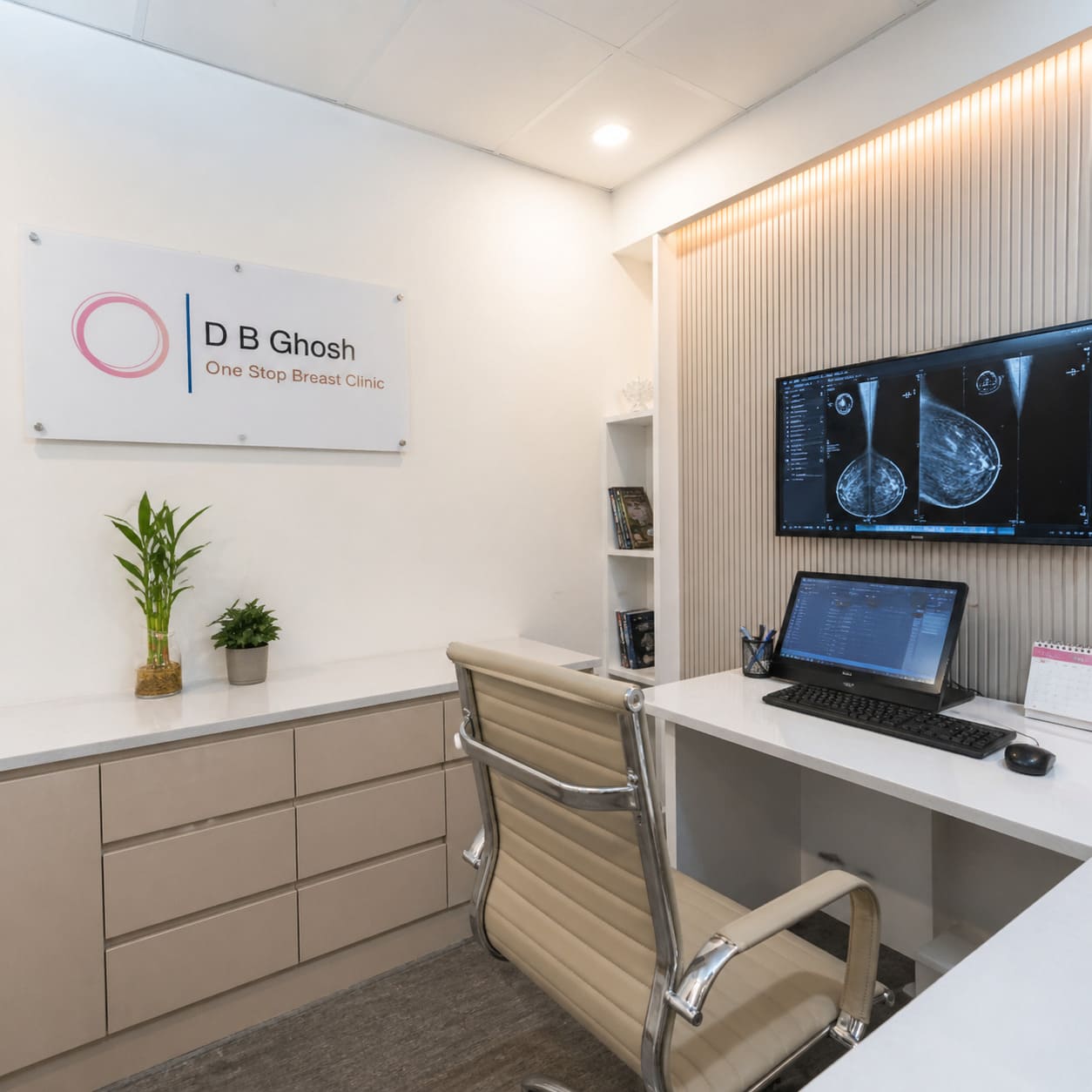
Expert breast surgery advice from a leading London consultant with over 30 years of experience.
Book ConsultationQuestions we get asked about breast cancer surgery decisions
Should I bring someone with me to the breast surgery consultation?
Bringing someone with you can help because a lot of information is discussed in one appointment. They can take notes, remind you of questions and help you compare what was said afterwards.
Can I ask for my diagnosis and plan in writing?
Yes, you can ask for written clinic notes or a clear summary of the proposed operation and expected next steps. Written information helps you check what is confirmed, what remains uncertain and which team is dealing with each part of care.
Is a second opinion useful if I already trust my surgeon?
A second opinion can still be useful if the decision is complicated or if two options seem reasonable. It is about improving clarity before consent, not proving that someone else is wrong.
Does ductal carcinoma in situ always need lymph node surgery?
No. Ductal carcinoma in situ, known as DCIS, does not always need sentinel lymph node biopsy, especially with breast-conserving surgery, although the recommendation changes in some higher-risk situations and when mastectomy is planned.
Who should answer questions about chemotherapy or radiotherapy?
Your breast surgeon can explain why those treatments may be discussed, but detailed decisions about chemotherapy, radiotherapy and endocrine therapy are usually made with the oncology team after the full pathology result is available.
This is general information, not medical advice.