Why might you need a second operation after a lumpectomy?
A second operation is usually recommended because of what the pathologist found under the microscope. If cancer cells reach the cut edge of the tissue that was removed, or sit very close to it, your team may advise taking a little more. The aim is to be sure nothing has been left behind.
That result only arrives after the operation, often several days later. During surgery your surgeon removes the cancer that can be seen, felt and imaged, along with a margin of healthy tissue around it. The microscope then shows exactly how far the disease reached, which nobody could know beforehand.
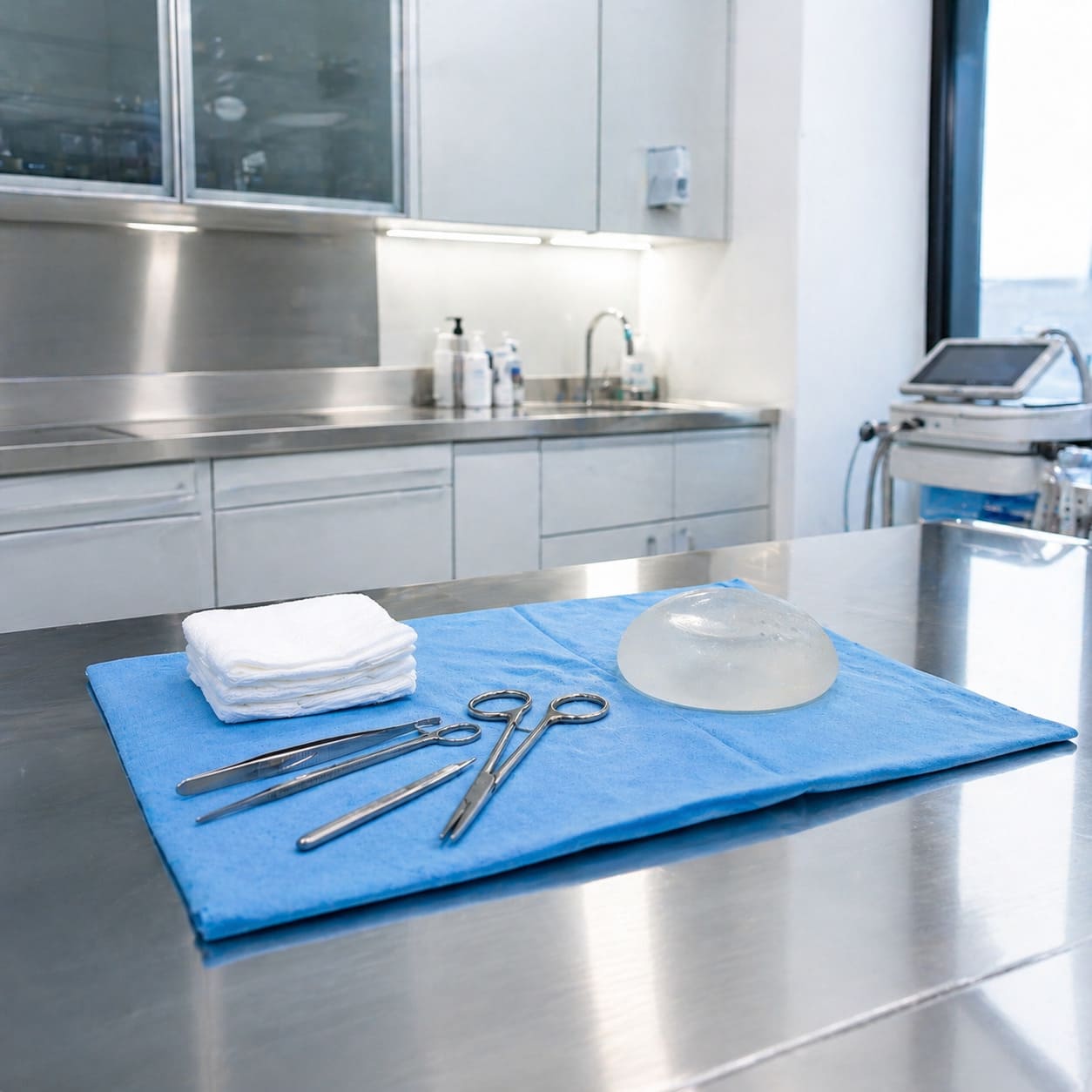
Re-excision means going back for a wider margin
A lumpectomy is breast-conserving surgery, also called a wide local excision. The surgeon takes out the cancer together with a surrounding area of breast tissue.
The pathologist then inks the outside of that piece of tissue and examines it under the microscope. The ink marks where the cut edges were, so the pathologist can measure how close the cancer came to each one. That measurement is called the surgical margin.
Re-excision is a second, smaller operation that removes more tissue from the part of the breast where the margin was tight. It is not a repeat of the whole procedure.
Sometimes a specimen looks complete during surgery and the microscope tells a different story, showing disease reaching nearer one edge than the scans suggested. That is the situation re-excision is designed for.
Expert advice on breast cancer treatment, cosmetic breast surgery, and reconstruction options in London.
Book a ConsultationThere is a difference between cancer on the edge and cancer near it
Cancer touching the inked edge and cancer sitting a fraction of a millimetre away lead to different conversations.
“Tumour on ink” means cancer cells reach the inked cut edge. The radial margin is the edge around the sides of the removed tissue. NICE, which covers England, recommends offering further surgery when invasive cancer or ductal carcinoma in situ reaches that radial margin. Ductal carcinoma in situ, usually shortened to DCIS, is a non-invasive breast cancer that stays inside the milk ducts.
A close margin is different. There is a measured gap between the cancer and the edge, and the width that prompts a discussion depends on what kind of cancer it is.
| Pathology finding | What it means | Usual approach |
|---|---|---|
| Tumour on ink, or 0 mm at the radial margin | Cancer cells reach the inked cut edge | Further surgery is offered. That may be re-excision or mastectomy, depending on the clinical picture. |
| Invasive cancer more than 0 mm but less than 1 mm from the radial margin | Invasive cancer is close to the edge, but not touching it | The team considers whether re-excision would meaningfully improve clearance |
| Pure DCIS more than 0 mm but less than 2 mm from the radial margin | DCIS is close to the edge, but not touching it | The team weighs further surgery against radiotherapy and the rest of the treatment plan |
Tumour on ink gives a clear reason to talk about more surgery. A close margin is a judgement call, and that is why two people with similar-sounding reports can be given different advice.
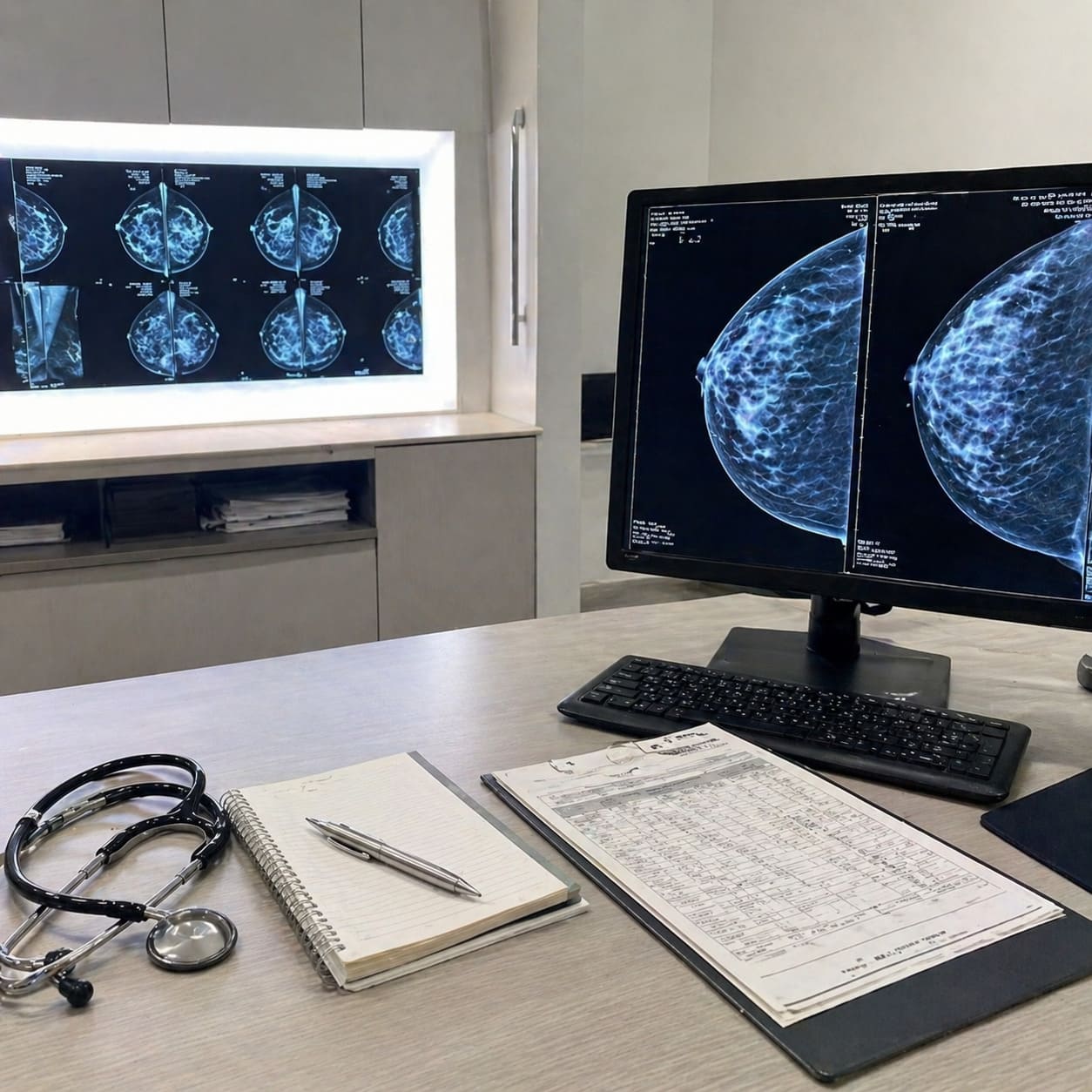
Ask for the exact margin measurement in millimetres, and whether the finding is invasive cancer, pure DCIS or both. Those two details explain most of the reasoning behind a second operation.

One measurement rarely decides it on its own
Your scans might have shown a small, contained area, while the pathology shows disease reaching nearer the edge or turning up in more than one place. That gap between the picture and the tissue is what changes the value of a second operation.
The decision is made by a multidisciplinary team: the breast surgeon, the pathologist, the radiologist and the oncologist together. They look at the pathology, the original imaging and the treatment already planned. Mr Ghosh reviews those findings alongside the likely effect of removing more tissue before advising on the options.
Where the disease sits changes the answer
A pathology report describes two things: how far the cancer is from the edge, and how the disease is spread out.
A single small area lying close to one edge points to a straightforward re-excision. Disease that is more extensive near the margin, that turns out larger than expected, or that appears in several separate places suggests more may be left behind. In that case the surgeon has to judge whether taking another slice would really clear it.
Breast shape belongs in the conversation
Taking more tissue can change the shape of the breast. How much it changes depends on where the tissue sits, how much is needed and how the breast was rearranged during the first operation.
This is a clinical question rather than a cosmetic one. If a second operation would leave a result you are unhappy to live with, breast conservation may no longer be the better option, and that deserves saying out loud before you agree to anything.
Radiotherapy also feeds into the decision for some close margins, alongside your general health and what matters to you.
Re-excision and completion mastectomy do different jobs
Re-excision takes more tissue from one defined area and keeps the breast. Completion mastectomy removes the remaining breast tissue after an earlier attempt at conserving it.
Re-excision is the option when the team believes good clearance is still achievable without changing the plan. How much tissue has already gone, and where the tight margin sits, both affect that judgement.
Completion mastectomy comes into the discussion when taking more from that area is unlikely to leave a workable result. Being offered a re-excision does not mean a mastectomy is coming next.
Recovery depends on which operation you have and how much is involved, including any rearrangement done the first time round.
Bring your pathology report, your imaging and the operation note from your first surgery to any second opinion. Without the operation note, nobody can properly judge how a further excision would affect the shape of the breast.

A good consultation tells you exactly why
The appointment where you go through your pathology should leave you clear on three things: what the margin actually showed, what type of disease was found, and what each surgical option is meant to achieve.
- What does my pathology report say about the radial margin?
- Is it tumour on ink, or is there a measured gap?
- Is the finding invasive breast cancer, pure DCIS, or invasive cancer with DCIS alongside it?
- Which features of my pathology make further surgery worth doing?
- How would re-excision affect the shape of my breast, given how it was rearranged last time?
- Is breast-conserving surgery still likely to clear the cancer properly?
- Why this option rather than the others?
- How does radiotherapy fit into the decision?
A second opinion is worth having when the pathology, the surgical choices or the likely effect on your breast are still unclear after that conversation. Once you know whether you are dealing with tumour on ink, a close margin or a wider pattern of disease, you can judge the operation on what it is actually for.
Expert breast surgery advice from a leading London consultant with over 30 years of experience.
Book ConsultationCommon questions about re-excision after a lumpectomy
Does a second operation mean the first lumpectomy was poorly planned?
No. Surgeons remove the cancer they can see, feel and image, with a margin of tissue around it. Only the microscope shows exactly how far the disease reached, and that result comes back after the operation is over.
What does “positive margin” mean after breast surgery?
It means cancer cells were found at the inked cut edge of the tissue that was removed. You may also see it written as tumour on ink, or as a 0 mm margin.
Can a close margin be managed without another operation?
Sometimes. It depends on the type of cancer, how the disease is spread out, what radiotherapy is planned, and whether removing more tissue would realistically change anything.
Will another lumpectomy alter breast shape?
It can. The effect depends on how much tissue is taken, where it comes from, and how the breast was reshaped during the first operation. Ask for a clear answer on this before you agree.
Can I seek a second opinion before agreeing to more surgery?
Yes. A second opinion can go through the pathology report, the imaging and the surgical options, and can say whether breast-conserving surgery still makes sense in your case.
This is general information, not medical advice.
Reviewed by Mr D. B. Ghosh, Consultant Breast Surgeon, dual European Board certified (FEBS) in Breast Surgery and Surgical Oncology, and Board Certified in Cosmetic Breast Surgery through the Royal College of Surgeons scheme. GMC 4657664.