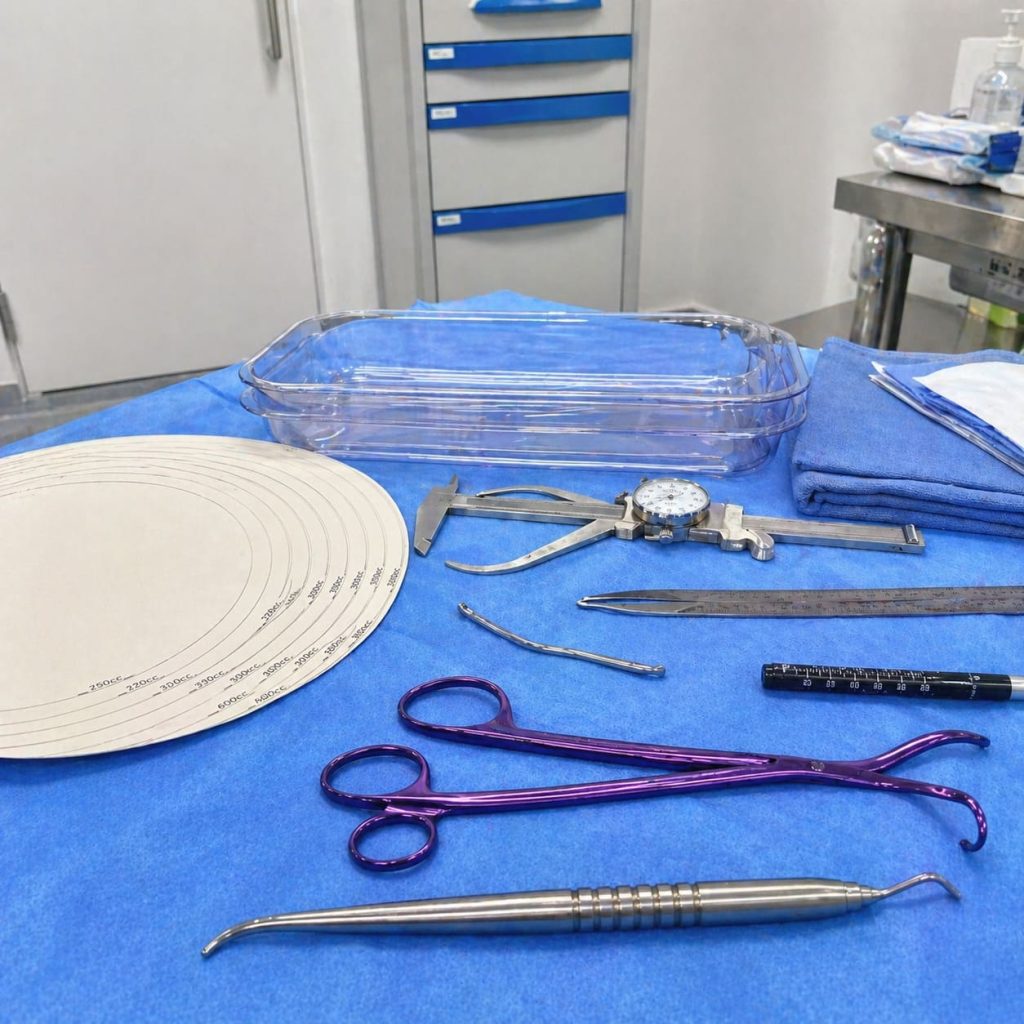

Does a breast biopsy hurt, and what will happen at your appointment?
A breast biopsy is usually manageable once local anaesthetic has worked. You may feel the anaesthetic sting, then pressure, discomfort, a clicking sound, or suction depending on the biopsy type. We want you to speak up if it hurts, because more anaesthetic may be needed.
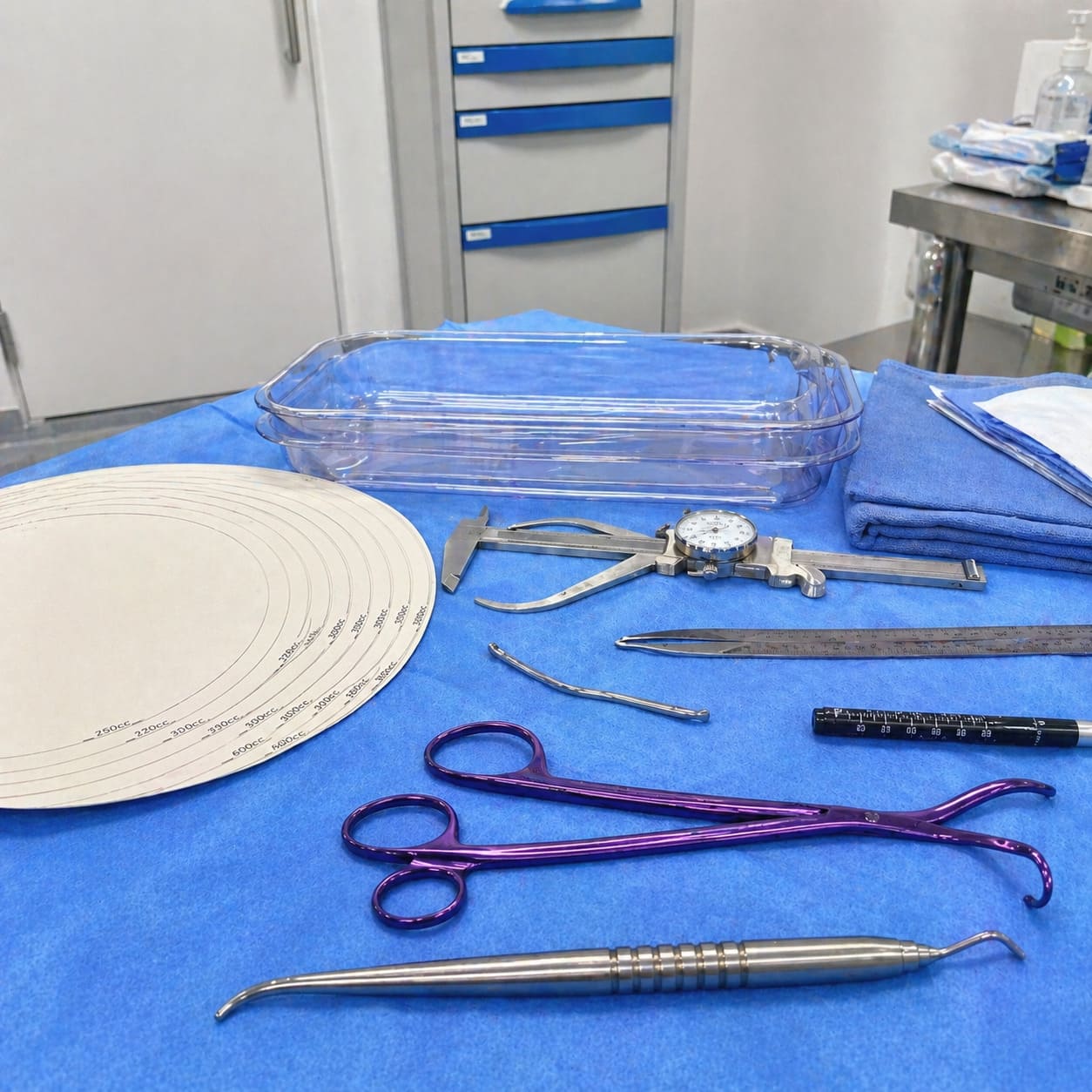
Breast biopsy pain is usually about pressure, not sharp pain
You have had a breast examination, mammogram or ultrasound, and the next recommendation is a biopsy. The plain answer is that a needle breast biopsy is not usually painful after local anaesthetic, but that does not mean you feel nothing.
Most people are awake for a core needle biopsy or vacuum assisted biopsy. The local anaesthetic may sting at first. After that, you may feel pressure as the breast radiologist positions the needle and takes samples. With a core needle biopsy, you may hear a click as each sample is taken. With a vacuum assisted biopsy, you may also hear suction from the device.
Pain during the procedure is information we want. If the biopsy hurts rather than feels like pressure or discomfort, say so straight away. The team can pause, check the area, and give more local anaesthetic if needed.
Needle anxiety, a history of fainting, blood thinners, allergies, or a previous difficult biopsy are all worth mentioning before the procedure begins. We do not treat those details as side notes, because they change how we prepare you and talk you through consent.
Expert advice on breast cancer treatment, cosmetic breast surgery, and reconstruction options in London.
Book a ConsultationA breast biopsy takes a targeted tissue sample
A breast biopsy removes a small piece of breast tissue so a pathologist can examine the cells under a microscope. The aim is to find out whether the finding is breast cancer or another breast condition, and the biopsy is usually guided by the examination and imaging already done.
During a typical needle breast biopsy, the appointment follows a controlled sequence:
- We confirm the target area. The abnormal area is matched to the mammogram, breast ultrasound, or other imaging finding.
- The team explains the procedure and checks consent. This is the moment to mention medication, allergies, fainting, or needle anxiety.
- Local anaesthetic is given. The injection may sting briefly, then the area becomes numb.
- A small cut is made. A hollow needle is then guided into the breast to take tissue samples.
- More than one sample is usually taken. With a core needle biopsy, the needle may click as each sample is collected.
- A dressing is applied. You receive aftercare instructions before you leave.
Guidance makes the sampling accurate. If the area is best seen on ultrasound, the biopsy is usually ultrasound-guided. If the finding is seen on a mammogram, a mammogram or X-ray-guided biopsy may be used instead.
A marker clip may be placed after the biopsy to mark the sampled area. The clip can help the same area be found again if needed, especially if the abnormality is small, if much of it has been removed by the biopsy, or if surgery later needs accurate localisation.
Imperial College Healthcare NHS Trust states that a core biopsy takes about 10 minutes and a vacuum assisted core biopsy takes about 20 minutes. Patients are likely to be ready to go home about 60 to 90 minutes after the appointment start time. The tissue then goes for histopathology, which means microscope assessment by a pathologist.
Mention blood thinners, allergies, fainting, and previous difficult biopsies before the procedure starts, because they can change how the team prepares and explains the biopsy.

The biopsy type is chosen from the imaging finding
Which biopsy is right for you? We choose the method by looking at what needs sampling and how safely it can be reached. Patient comfort matters, but the clinical question comes first.
| Biopsy type | How it is usually used | What to expect |
|---|---|---|
| Core needle biopsy | Takes small cylinders of tissue from a breast abnormality | Local anaesthetic, pressure, and a clicking sound as samples are taken |
| Vacuum assisted biopsy | Takes tissue using a vacuum assisted device, often when a larger or more precise sample is needed | Local anaesthetic, pressure, and possible suction sounds |
| Fine needle aspiration | Uses a fine needle to take cells, with selected roles in breast assessment | Usually a shorter needle test, but it does not give the same tissue sample as a core biopsy |
| Punch biopsy | Takes a small sample from the skin, used in selected skin-related breast changes | Local anaesthetic and a small skin sample |
| Surgical excision biopsy | Removes tissue in an operating theatre in selected situations | A surgical procedure, not the usual outpatient needle biopsy route |
Size, location, and visibility of the abnormal area influence the choice. A small change seen clearly on ultrasound is a different sampling problem from a mammogram finding that cannot be felt. The right method gives the pathologist enough tissue to answer the question without using a bigger procedure than the situation needs.
At D B Ghosh, we explain the reason for the recommended biopsy type as part of London-based consultant breast assessment. That explanation matters because two biopsy names can sound similar on paper while serving different diagnostic purposes in practice.
A useful way to judge the recommendation is to ask what the biopsy is trying to prove, where the target is seen, and what would happen if the tissue result does not match the imaging. That last point is easily missed. If the examination, imaging, and pathology do not fit together, further review or another biopsy may be needed.
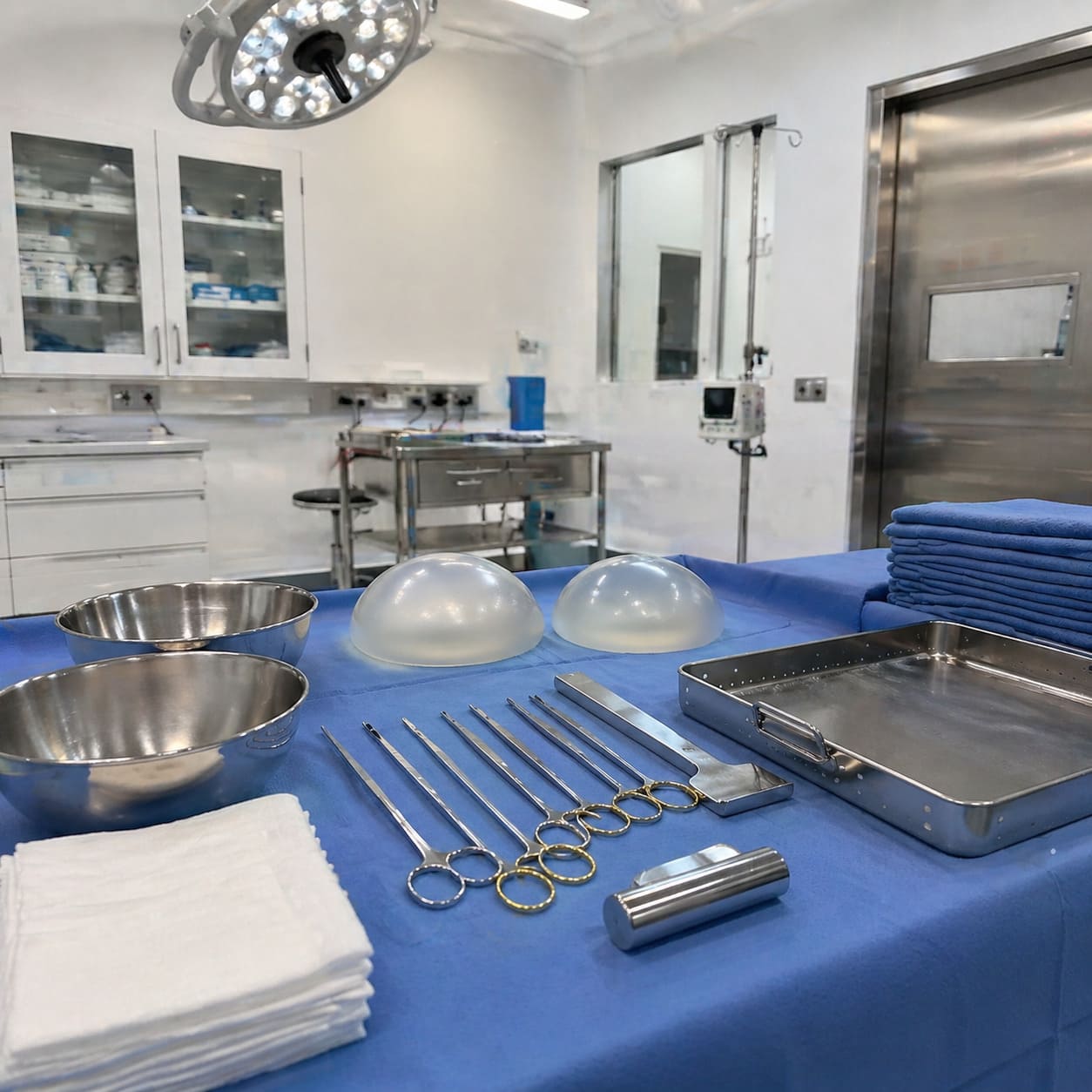
Aftercare is usually simple, but symptoms have boundaries
After the biopsy, the immediate issue is usually aftercare rather than pain. Most people leave with a dressing, some soreness, and practical instructions about activity.
Normal recovery
Bruising, soreness, and mild swelling can happen after a breast biopsy. Cancer Research UK says bruising is normal and usually goes after one or two weeks. A firmer dressing or pressure dressing may be used at first, depending on the biopsy and the clinic’s protocol.
For core or vacuum assisted biopsy, Imperial College Healthcare NHS Trust advises keeping the dressing on for 48 hours and avoiding lifting or strenuous exercise for at least 48 hours. Work, driving, and exercise advice depends on the biopsy type, your job, and the instructions your own team gives you.
Symptoms we would not ignore
Worsening pain is different from expected discomfort. Redness, heat, a very painful or swollen biopsy area, chest pain, or shortness of breath should prompt medical advice from your healthcare team.
That list is not there to make the biopsy sound unsafe. It simply gives clear limits. Most aftercare is ordinary, but a breast biopsy site still needs sensible attention while it settles.
If the imaging, examination, and pathology do not fit together, ask how that is being reviewed, because a mismatch can affect whether further sampling is needed.

Breast biopsy results guide the next decision
Tissue has to be prepared, examined under a microscope, and placed back into the context of your examination and imaging before it becomes a useful result. A short wait for pathology does not tell you whether the news will be good or bad.
One NHS breast service says breast biopsy results may take up to seven days because tissue is processed, reviewed, and discussed at a weekly breast multidisciplinary team meeting. Cancer Research UK gives a wider expectation of results within one or two weeks at a follow-up appointment, with possible longer waits. A multidisciplinary team meeting, often shortened to MDT, is where specialists review the findings together.
Results can be benign, malignant, or unclear. A benign result may end the immediate concern if it matches the imaging and examination. If the result is unclear, or if it does not fit the imaging, the next step may involve further review or repeat sampling. If breast cancer is found, the biopsy gives information that affects planning rather than simply attaching a label.
The National Institute for Health and Care Excellence, known as NICE, recommends testing oestrogen receptor, progesterone receptor, and human epidermal growth factor receptor 2 status at the time of the first tissue diagnosis for invasive breast cancer. These are often shortened to ER, PR, and HER2, and they help guide later treatment discussions. NICE also recommends ultrasound assessment of the axilla, which is the armpit area, before treatment for early and locally advanced invasive breast cancer, with needle sampling if abnormal lymph nodes are seen.
In our London practice at D B Ghosh, we treat the biopsy result as part of the surgical planning discussion. The result may influence whether surgery is needed, what type of breast surgery is suitable, whether lymph nodes need assessment, and whether further imaging or team review belongs before an operation.
The question you arrive with is usually, “Will the biopsy hurt?” The question that matters after the appointment is, “Will the result be explained and used properly?” A good breast biopsy pathway answers both, with the procedure kept controlled and the next decision made from tissue, imaging, and clinical judgement together.
Expert breast surgery advice from a leading London consultant with over 30 years of experience.
Book ConsultationQuestions we get asked about breast biopsy
Are you awake for a breast biopsy?
Most needle breast biopsies are done with you awake and the area numbed using local anaesthetic. Surgical excision biopsy is different because it takes place in an operating theatre in selected situations.
Why might a marker clip be placed after a breast biopsy?
A marker clip may be placed to mark the area that has been sampled. It can help the same area be found again if further imaging, biopsy, or surgery is needed.
Can a breast biopsy result come back unclear?
A breast biopsy result can be unclear, or it may not fully match the imaging or examination. In that situation, the specialist team may advise review, further imaging, or another biopsy.
Can you go back to work after a breast biopsy?
Many people feel well enough for light routine activity, but you should follow the instructions from the clinic that performed the biopsy. After core or vacuum assisted biopsy, heavy lifting and strenuous exercise are commonly restricted for a short period.
Does a breast biopsy mean you definitely have cancer?
A breast biopsy is done to find out what an abnormality is. The result may show breast cancer, but it may also show a benign breast condition.
This is general information, not medical advice.