What is the difference between wire and seed localisation in breast surgery, and why are these techniques used?
Wire and seed localisation are techniques used in breast surgery to accurately identify and remove abnormalities that cannot be felt during an examination. These procedures help surgeons target non-palpable breast lesions, ensuring precise surgery with the aim of conserving healthy tissue.
Pro Tip: Check with your surgical team whether seed localisation can be arranged in advance to simplify your surgery day.

Understanding Localisation in Breast Surgery
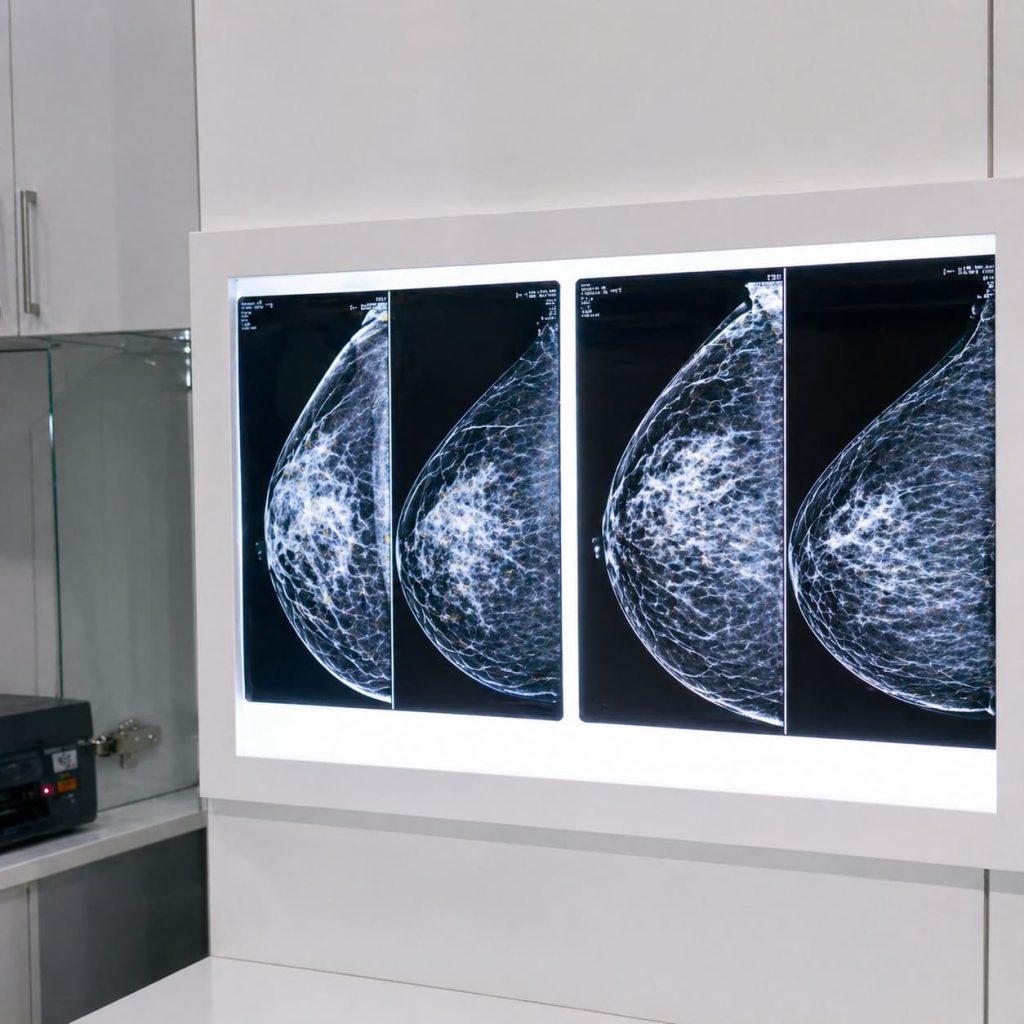
Localisation in breast surgery refers to marking the exact location of an abnormality within the breast that cannot be felt by hand. This step is often needed when breast imaging, such as a mammogram or ultrasound, shows an area of concern that is not obvious during a physical examination. In these cases, surgeons use localisation to guide their removal of the lesion during surgery.
The primary goal of localisation is to help the surgical team remove the area of concern accurately, which means as little healthy breast tissue as possible is removed while still ensuring cancer or any abnormality is excised with a clear margin. This process is recommended by national guidelines, including those from the Royal College of Surgeons, for any non-palpable lesion marked for surgery.
Imaging departments, usually within NHS breast units, play a important role in this process by using techniques such as ultrasound or mammography to locate and mark the lesion. Localisation also feeds into multidisciplinary teamwork, supporting safe and well-planned surgery.
Some people believe localisation is only necessary for cancer cases, but in practice, benign abnormalities might also benefit if their location is not clear by touch. The method chosen for localisation depends on several clinical and practical factors, which are discussed with the patient beforehand.
What Is Wire Localisation and How Does It Work?
Wire localisation is a traditional technique that has been in routine use across UK breast units for many years. It is often recommended when a breast lesion requires precise removal and cannot be felt by the surgeon.
Here is what usually happens:
- On the morning of surgery, the patient arrives at the imaging department.
- A radiologist uses ultrasound or mammography to find the area of concern.
- Under local anaesthetic, a thin wire is inserted into the breast, with its tip positioned at the lesion site.
- The wire protrudes slightly from the skin and is secured with a dressing.
- The patient is taken to the surgical theatre, where the surgeon uses the wire as a guide to locate and remove the abnormal tissue.
Wire localisation is straightforward but does require coordination between the radiology and surgical teams on the same day. Some patients notice a mild tugging sensation or discomfort during placement, which usually settles quickly.
A common concern is wire movement before surgery, although proper fixation and modern protocols keep this risk low. Wire localisation remains widely used, especially when operating lists and imaging schedules align on the day of surgery, or if clinical priorities require it.
Book a Consultation
What Is Seed Localisation and How Does It Work?
Seed localisation is a newer approach that offers flexibility and, for many, a more comfortable experience. Seeds can be magnetic or contain a tiny amount of radioactivity, both barely larger than a grain of rice.
During the procedure, a radiologist places the seed into the breast using a needle, guided by imaging. Unlike wires, seeds can be placed several days before surgery, as the seed remains in place without protruding from the breast. On the day of surgery, the surgeon uses a handheld detector to find and remove the area containing the seed along with the lesion.
There are two main types of seeds:
- Radioactive seed localisation: Uses a very small, regulated radioactive marker. Detected with a probe during surgery. Stringent safety protocols govern placement and handling under NHS and UK Health Security Agency standards.
- Magnetic seed localisation: Uses a magnetised marker, also detected with a handheld probe, and does not require radioactive handling.
The patient’s experience is usually brief and similar to a minor needle procedure. As the seed does not have any external wires, movement is less likely, and most patients report minimal discomfort after placement.
Advantages include greater scheduling flexibility, as placement and surgery do not have to occur on the same day. Seed localisation may not be suitable for every situation, especially where there are technical barriers, regulatory considerations, or specific imaging challenges. The decision on whether to use seeds or wires is based on clinical judgement, availability, and patient needs.
Comparison Summary:
- Placement timing: Wire is usually same-day, seed can be placed in advance.
- Comfort: Seed avoids external wires and tends to be less noticeable after placement.
- Detection: Wire is visible and palpable; seeds are detected by a probe.
- Suitability: Both are safe and effective, with final choice based on individual case factors.
Key Differences Between Wire and Seed Localisation
The main distinctions between wire and seed localisation affect the patient’s experience, surgical planning, and day-of-surgery logistics.
Comparison Table:
Aspect | Wire Localisation | Seed Localisation |
|---|---|---|
Placement Timing | Usually same day as surgery | Can be days before surgery |
External Component | Wire protrudes from skin | Seed entirely internal |
Comfort | Mild discomfort possible | Usually minimal discomfort |
Scheduling Flexibility | Less flexible | More flexible |
Detection in Surgery | Wire visual and tactile | Probe detects seed |
Risks | Rare wire migration | Seed retrieval required |
By understanding these differences, patients can appreciate why their consultant may recommend one method over the other. The decision often balances comfort, logistics, imaging findings, and surgical priorities, rather than being a simple matter of newer or older technique.
Pro Tip: Ask your breast care nurse about local protocols and aftercare tailored to your chosen localisation method.
How Is the Decision Made: Wire or Seed?
Selecting between wire and seed localisation is a collaborative process, led by the MDT and consultant surgeon, with input from radiologists and guided by NHS protocols.
Key decision factors include:
- Lesion characteristics: Size, location, and visibility on imaging.
- Clinical indications: Whether surgery is planned for cancer or benign conditions.
- Scheduling: Theatre list timing and availability of imaging and radiology resources.
- Patient preference: Where suitable, comfort and logistics are considered.
- Institutional expertise and resources: Not all centres have access to every seed localisation method.
- Safety and regulatory factors: Particularly relevant for radioactive seeds, which require special protocols.
Patients are always informed of their options and given the opportunity to discuss preferences and practicalities. The consultant’s role is to guide the patient based on clinical priorities and local resources, ensuring safe and well-coordinated care.
What to Expect on the Day: Patient Process and Practicalities
The day of breast surgery involving localisation is well-coordinated, aiming to minimise uncertainty for the patient. Here’s an outline of what typically happens:
If undergoing wire localisation:
- Patient checks in at the breast unit or radiology suite.
- Imaging is performed, and the wire is placed directly into the breast.
- A gentle dressing secures the wire.
- Patient waits in a designated area before surgery.
- Surgeon removes the lesion in theatre, guided by the wire.
If undergoing seed localisation:
- If the seed was placed days earlier, the patient arrives on the day of surgery and proceeds straight to preoperative preparation.
- If same-day placement is planned, steps are similar to wire localisation, but without any external wire left outside the skin.
- In theatre, the surgeon uses a special device to detect the seed and carefully excise the lesion.
Throughout both paths, breast care nurses and team members are present to provide reassurance and answer questions. Most patients report only mild discomfort, often limited to the anaesthetic injection or brief sensation during placement. After surgery, the removed tissue, including wire or seed, and is sent for pathology analysis. Recovery and aftercare advice are provided before discharge.
Request a Second Opinion
Risks, Limitations, and Common Misconceptions
Both wire and seed localisation methods are considered safe, but like any procedure, they carry some risks and limitations. It is helpful to address practical concerns clearly.
- Wire localisation risks: Rare wire movement or migration, mild discomfort, need for careful coordination on the day.
- Seed localisation risks: Very rare seed displacement, seed not detected during surgery, retrieval protocols for misplaced seeds.
- Procedural risks: Bleeding, bruising, or infection at the insertion site (uncommon for both techniques).
- Misconceptions: Some believe new methods are always better, but wire localisation remains effective and safe. Not all centres offer every technique due to resourcing, training, or regulatory reasons.
- Follow up: Persistent pain, swelling, or signs of infection after surgery should prompt review by the breast team.
Most issues are preventable or can be managed promptly if they arise. Safety protocols and regulatory checks are standard parts of both approaches.
Questions to Ask Your Surgeon About Localisation Options
Bringing a focused set of questions to clinic appointments can help patients feel better prepared and informed. Useful questions include:
- Which localisation options are available at this centre, and what are the reasons for the recommended approach in my case?
- What should I expect regarding timing and coordination on the day of surgery?
- What are the main risks or discomforts associated with each method, and how are they managed?
- Will localisation affect my recovery or how my breast looks after surgery?
- Are there specific aftercare steps I need to follow based on the localisation method used?
- What happens if the localisation marker cannot be detected on the day?
Having these discussions allows for shared decision-making and ensures the plan aligns with both clinical priorities and personal circumstances.
Summary: Making Sense of Localisation Choices in Breast Surgery
Wire and seed localisation are established, consultant-led methods for accurately targeting non-palpable breast lesions. Both techniques have proven safety records, with distinct strengths related to scheduling, comfort, and logistics.
Key takeaways:
- Wire localisation is traditional, widely used, and best suited to same-day coordination.
- Seed localisation offers flexibility, less external equipment, and potential comfort benefits for some patients.
- The best method depends on clinical context, lesion characteristics, scheduling, and available resources.
- Consultant-led decision-making, supported by the MDT, ensures an approach tailored to each patient’s needs.
Has your situation changed or do you need to discuss your localisation options further? Book a Consultation or Request a Second Opinion with a consultant breast surgeon in London to review what is right for you.
For specialist breast surgery in Harley Street London, including breast cancer surgery, cosmetic breast procedures, reconstruction, and assessment of breast disease, contact D B Ghosh Breast Surgeon Specialist in Cancer and Cosmetic Surgery on 020 7205 2281 or visit Rapid Diagnostic Centre, 146 Harley St, London W1G 7LD.