What is therapeutic mammoplasty in breast cancer surgery?
Therapeutic mammoplasty involves removing a breast tumour using the techniques of breast reduction and reshaping, creating an alternative to mastectomy or standard lumpectomy for suitable patients. This procedure carefully balances cancer control with breast appearance, aiming for both oncological safety and a good cosmetic result.
Therapeutic mammoplasty is a type of oncoplastic breast surgery. Unlike standard lumpectomy, which removes the tumour with a margin of healthy tissue and closes the wound directly, this approach incorporates elements of breast reduction and reshaping. The procedure is planned to remove the cancer and at the same time reshape the breast, often aiming to improve or maintain symmetry.
The key goals are:
- Safe tumour removal with clear margins, following guidelines from bodies such as the Association of Breast Surgery and NICE.
- Preservation of breast shape and symmetry where possible, which means that breast reduction and lifting methods are used as part of the cancer operation.
A few common misconceptions arise. Some may think breast reduction cannot be combined with tumour removal or that this means compromising on cancer safety. In fact, the aim is to ensure effective cancer removal, while also considering appearance and comfort. MDT discussion and specialist input are standard, especially within NHS and contemporary private practice.
This approach is not always suitable. Tumour location, size, and the patient’s breast shape all matter. For some, mastectomy or a different breast conserving method may be safer or more appropriate.
Pro Tip: Multidisciplinary team input ensures all aspects of cancer treatment and cosmetic outcomes are thoughtfully balanced for each patient.

Who is suitable for therapeutic mammoplasty?
Not every patient with breast cancer will benefit from this surgery. Selection is a careful process involving the consultant surgeon, radiologist, pathologist, and, sometimes, experts in genetics. MDT input helps confirm the best approach.
Typically, considerations include:
- Tumour position: Lesions located away from the nipple in medium or large breasts are often most suitable.
- Size of the tumour relative to breast size: If enough breast tissue remains for reshaping, the operation becomes possible.
- Patient’s wishes: Preferences for breast size or shape and thoughts about symmetry play a role.
- General health and fitness for anaesthesia.
Some situations make this approach unsuitable, for example, very small breasts where reshaping is not practical, certain tumour locations, or when a genetic predisposition means a mastectomy is preferred.
Complex scenarios, including previous surgeries or high-risk genetic markers, are weighed carefully. Every plan is unique and takes both tumour characteristics and patient expectations into consideration. The process often begins with detailed imaging and may include an assessment of family history in a genetics clinic.
Book a Surgical Consultation
How is therapeutic mammoplasty performed?
The operation builds on principles from both cancer surgery and breast reduction.
Key steps include:
- Careful preoperative planning, often using markings to guide reshaping.
- Removal of the tumour along with a margin of healthy tissue, as in all breast conserving surgery.
- Use of breast reduction techniques, such as specific incision patterns and tissue rearrangement, to reshape the breast.
- In some cases, simultaneous adjustment of the other breast may be planned for symmetry.
Breast reduction elements may involve one of several incision types. Common choices include the inverted T (anchor-shaped) or vertical (lollipop) incisions, chosen according to breast size, shape, and tumour location. The tissue is then remodelled using “pedicle” techniques, which allow preservation of blood supply to the nipple and skin where possible.
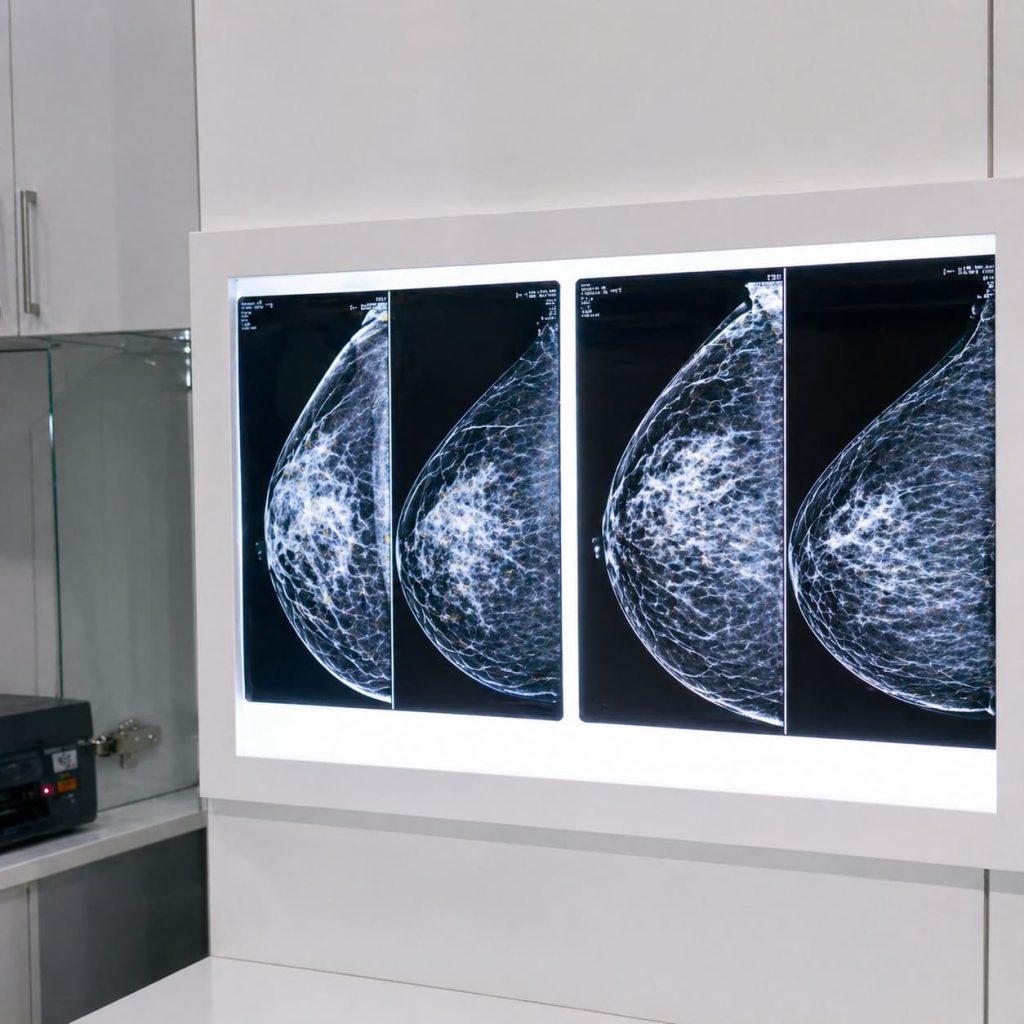
Intraoperative assessment, such as margin checks, supports oncological safety. Coordination with radiology is standard, and planning may use imaging or localisation techniques to ensure precise tumour removal. All steps focus on both removing the cancer safely and achieving a balanced shape.
Pro Tip: Careful preoperative imaging and marking help surgeons achieve better tumour clearance and aesthetic results.
Symmetry planning and future reconstruction
Achieving symmetry is a common concern for patients considering therapeutic mammoplasty. The surgical plan often addresses the matching of both breasts, either in the same operation or as a staged procedure.
Options may include:
- Reduction or lift of the opposite breast during the initial procedure, providing immediate balance.
- Delayed adjustment, where symmetry surgery takes place after healing from the first operation, depending on recovery or need for further treatment.
- Incorporation into a broader reconstruction plan, if more complex shaping is needed in the future.
Patient consultation before surgery always covers these aspects. Conversation is direct and clear about what is realistic, especially since perfect symmetry cannot always be guaranteed. Surgeon and patient discuss goals, options, and limitations, so that expectations are shared and planning is personal.
Shared decision-making is central. Some prefer the simplest option and accept minor differences. Others prioritise matching as closely as possible, which can be discussed using photographs, visual examples, or predicted outcomes.
Risks, recovery, and common misconceptions
As with any operation, therapeutic mammoplasty carries risks. Understanding these and the typical recovery helps reduce anxiety and prepares patients for what to expect.
Common risks include:
- Wound healing problems or delayed healing, especially in larger reductions or smokers.
- Infection, which is usually managed with antibiotics when caught early.
- Changes in nipple sensation or partial loss of nipple blood supply, more likely in very large reductions.
- Asymmetry or contour irregularities, which sometimes need a later adjustment.
- Fluid collections (seroma) or minor bleeding.
Most patients can expect discomfort for several days and a return to everyday activities after a couple of weeks, but full recovery may take longer. Wearing a supportive bra and caring for wounds as instructed supports healing.
Several misconceptions arise. First, some worry that reshaping increases the chance of cancer coming back. In fact, studies have shown that, when performed by trained teams with appropriate margin checks, oncological outcomes are comparable to standard breast conserving surgery. Secondly, patients may think that combining reduction and tumour removal compromises safety, whereas consultant-led planning always prioritises cancer treatment above all else.
A helpful checklist for seeking urgent review includes:
- Redness, swelling, or discharge that increases suddenly.
- High temperature, shivering, or feeling acutely unwell post-surgery.
- Persistent or worsening pain beyond what is expected.
- Bleeding that does not settle with pressure.
Early contact with the care team is encouraged for any worries.
Request a Second Opinion
Questions to ask in clinic and next steps
Active involvement in planning helps make sure the treatment suits both medical needs and personal goals. Bringing questions to the clinic supports understanding and shared decision-making.
Questions may include:
- Is therapeutic mammoplasty a safe option for my cancer and my breast shape?
- What are the specific risks in my case?
- How will you plan for symmetry, and will the other breast need surgery?
- What is the usual sequence of operations and recovery milestones?
- Will I require radiotherapy afterwards, and how does that impact the result?
- What are my alternatives if this method is unsuitable?
After the consultation, next steps often include further imaging or tests if needed, a multidisciplinary team discussion, and a detailed surgical plan. Consent and preoperative assessment follow, with surgery typically scheduled when all preparations are complete. Recovery involves follow-up appointments and, where relevant, post-surgery treatments such as radiotherapy.
Seeking a second opinion is entirely reasonable, especially in complex or borderline cases, and is supported by most experienced teams.
Consultant-led care and when a second opinion matters
Consultant-led care means the surgeon personally leads each step, from assessment to surgical planning and aftercare. This approach provides continuity, clarity, and reassurance, particularly in complex decision-making.
Multidisciplinary input from radiology, pathology, and oncology is standard, especially for breast cancer cases. Each aspect of planning is discussed within the MDT, combining expertise and reducing the risk of oversight.
Patients may wish to consider a second opinion in these situations:
- When plans from previous clinics feel uncertain or recommendations differ.
- When personal circumstances, family history, or prior surgery make the situation complicated.
- If clarity is needed about trade-offs between preserving breast tissue and cancer control.
Access to a one-stop breast clinic, offering coordinated assessment and planning, helps reduce uncertainty. Consultant-led review supports clear explanations and allows patients to move forward with confidence.
For those considering their options, booking a consultation or requesting a second opinion from an experienced consultant can support more confident, better-informed decisions.
For compassionate, specialist breast care in London, D B Ghosh Breast Surgeon Specialist in Cancer and Cosmetic Surgery, Harley Street London provides expert support across diagnosis, surgery, reconstruction, and cosmetic treatment. Call 020 7205 2281 or visit Rapid Diagnostic Centre, 146 Harley St, London W1G 7LD.