Do you need a breast lift, augmentation, or both?
A breast lift and breast augmentation solve different problems. A lift changes position and shape by raising breast tissue and the nipple, whereas augmentation adds volume, usually with implants. Some people need one procedure, some need the other, and some benefit from a combined approach if both droop and volume loss are present.
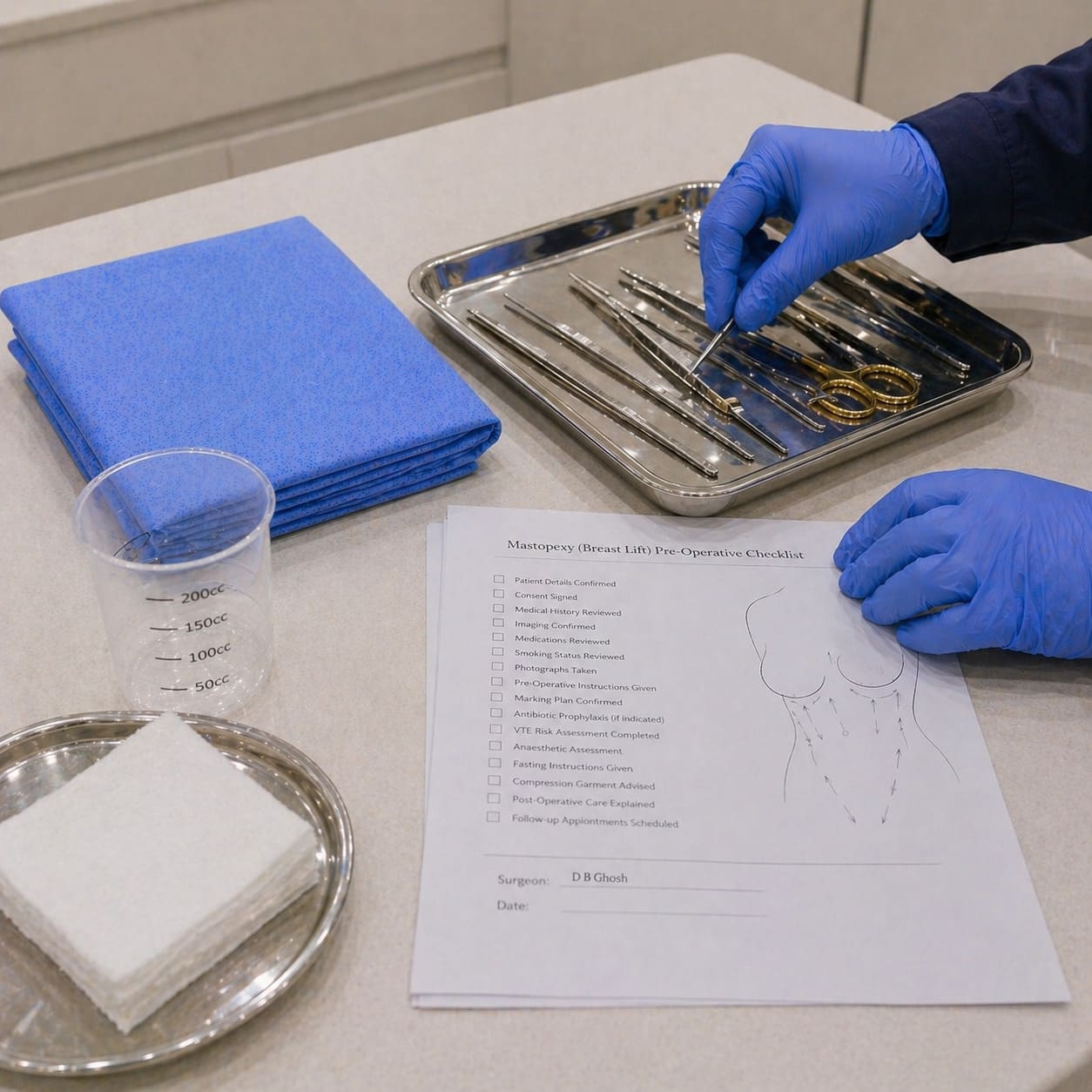
Understanding Breast Lift and Augmentation: What’s the Difference?
Breast lift vs augmentation is a common source of confusion because both change the appearance of the breasts, but they do not do the same job. A mastopexy, which is the medical term for a breast lift, mainly addresses droop, also called ptosis. Augmentation mainly increases fullness and size.
A simple way to picture it is this: if the issue is where the breast sits, a lift is the main tool. If the issue is how much volume the breast has, augmentation is the main tool. If both position and volume have changed, the answer may involve both procedures.
- Breast lift: reshapes the breast, raises the nipple position, and removes excess skin if skin laxity is part of the problem.
- Breast augmentation: adds volume, usually with breast implants, and may improve upper fullness.
- Breast lift with augmentation: combines both aims when the breast has dropped and also lost volume.
Many people assume implants always create a lifted look. That is not always the case. Implants can add fullness, particularly in the upper part of the breast, but they do not reliably correct significant ptosis on their own. If the nipple sits low or the skin envelope has stretched, adding volume without a lift may leave the breast looking heavier rather than more raised.
Another misconception is that a lift makes the breast much larger. In practice, a lift usually changes shape more than size. Some women feel their breasts look smaller afterwards because the tissue sits higher and tighter, even when little actual volume has been removed.
Guidance from sources such as the NHS, BAPRAS, and the GMC tends to reinforce the same broad principle: the right operation depends on anatomy, skin quality, nipple position, and what outcome matters most to the patient. Those details are more useful than cup size alone.
Why Patients Consider a Breast Lift, Augmentation, or Both
People usually start thinking about breast surgery because their breasts no longer look or feel the way they expect. Pregnancy, breastfeeding, weight change, ageing, and natural asymmetry often play a part. Sometimes the concern is mostly visual. In other cases, it is tied to clothing fit, skin irritation under the breast fold, or a sense that body proportions have changed.
Common reasons for breast lift or augmentation include:
- loss of upper breast fullness after pregnancy or weight loss
- breasts sitting lower on the chest than before
- nipples pointing downwards or sitting below the breast crease
- one breast looking noticeably different from the other
- a wish for more volume, more shape, or both
- discomfort from breast movement or skin rubbing in some cases
Post-pregnancy changes are one of the clearest examples. Some women feel they have enough breast tissue but dislike the lower position and stretched skin, which may point more toward a lift. Others mainly notice empty upper fullness, which may make augmentation more relevant. A third group sees both changes at once and asks about combined breast surgery.
Major weight loss can create a similar pattern. The breast may lose internal volume, while the skin does not fully tighten afterwards. In that setting, implants may restore fullness, but skin laxity and nipple position still need separate attention if the goal is a more lifted contour.
Personal motivation matters, but expectations matter just as much. Surgery may improve breast shape, volume, and symmetry to a degree, yet it cannot produce perfect symmetry or freeze the effects of time. Anyone hoping that surgery will solve wider concerns about body image or confidence may need a more careful discussion before deciding.
A few people are unlikely to benefit from surgery at that point in time, including those with unstable weight, untreated medical issues, or goals that do not match what an operation can realistically achieve. In London-based consultant breast and oncoplastic care, that conversation is often as important as the operation itself.

Expert advice on breast cancer treatment, cosmetic breast surgery, and reconstruction options in London.
Book a ConsultationHow Surgeons Assess Which Procedure Is Right for You
The decision should begin with assessment, not with a menu of operations. A surgeon needs to understand the breast itself, your medical background, and what you are hoping will change.
A consultation often includes four broad steps:
- Discussion of your goals, medical history, previous surgery, pregnancies, weight change, and general health.
- Physical examination, including breast volume, skin quality, nipple position, symmetry, and the degree of ptosis.
- Measurements and, where relevant, imaging or breast assessment if there is any clinical reason to do so.
- Shared decision-making about whether a lift, implants, or a combined plan best fits the findings.
Nipple position is one of the clearest markers. If the nipple sits at or below the breast crease, a lift may be needed to reposition it. Skin quality also matters. Stretched skin with poor recoil may not hold a pleasing shape with implants alone, particularly in a larger implant size.
Breast volume is assessed separately from breast position. Someone may have a full breast that has descended, which often points toward mastopexy explained in simple terms as a reshaping and lifting operation. Another patient may have relatively good position but little fullness, especially in the upper pole, and may therefore be considering implants without a lift.
History can change the picture. Previous breast surgery, smoking, significant weight fluctuation, plans for pregnancy, and certain medical conditions all influence surgical planning and recovery. In a one-stop breast clinic or a setting such as the Rapid Diagnostic Centre, 146 Harley Street, London W1G 7LD, assessment may also include imaging if there is a separate need to review breast health before any operation is discussed further.
Combined surgery is usually considered when two issues appear together: the breast sits low and volume has reduced. Even then, the recommendation is not automatic. Implant size, scar pattern, symmetry goals, and tissue quality all affect whether one operation is sensible now or whether staged surgery is safer and more predictable.
Bring clear photographs of your desired result to your consultation to help your surgeon understand your goals.

Risks, Limitations, and Common Misconceptions
Every operation has trade-offs, and breast surgery is no exception. Reliable decision-making depends on understanding what surgery may improve, what it may leave unchanged, and what risks come with the procedure.
Scarring is part of a breast lift. The scar pattern depends on how much lifting is needed, and no surgeon can offer a scar-free mastopexy. Scars usually settle with time, but they remain part of the result.
Augmentation introduces a different set of limitations. Implants do not last forever, and some patients need revision surgery later for reasons such as capsular contracture, rupture, position change, or a shift in aesthetic preference. A larger implant may also place more strain on the tissues over time.
Recovery varies between patients and between procedures. A lift, an augmentation, and a combined operation can each involve swelling, discomfort, restricted activity for a period, and time away from full exercise. Anaesthetic risk also needs to be considered in the usual way, especially if there are relevant medical factors.
Three common misconceptions are worth clearing up.
- Implants always lift the breast. They do not reliably correct a low nipple or significant skin excess.
- A lift lasts forever. Ageing, gravity, pregnancy, and weight change continue after surgery.
- Bigger implants automatically create a better shape. Sometimes a larger implant worsens droop or stretches tissue further.
Professional guidance from bodies such as BAPRAS, the NHS, and the GMC supports informed consent that covers benefits and downsides in equal measure. That balanced discussion is especially important if expectations are very high or if the starting anatomy makes a perfect outcome unlikely.
Some patients are better served by waiting. Recent pregnancy, ongoing breastfeeding, unstable weight, smoking that has not stopped, or uncertainty about future family plans may all affect timing. In those cases, the best decision may be to pause until the likely result is easier to predict.
Consider timing your surgery after any planned pregnancies or major weight changes to help prolong your results.

Questions to Ask in Your Consultation
A consultation works best when your priorities are clear and your questions are specific. The aim is not to test the surgeon. The aim is to make sure the recommendation matches your anatomy, your goals, and the longer-term implications.
- Based on my breast shape and nipple position, do I need a lift, implants, or both?
- What result is realistic in my case, including shape, fullness, and symmetry?
- Where are the scars likely to be, and how might they change over time?
- If implants are discussed, what size range and implant type are being considered, and why?
- What are the main risks in my situation, including the chance of revision surgery later?
- How long is recovery likely to take before driving, working, and exercising?
- If I plan future pregnancy or weight loss, how might that affect the result?
- Would staged surgery make more sense than a combined procedure in my case?
- What follow-up is usually needed after surgery?
- Is a second opinion sensible if I am unsure between options?
Anyone seeking a second opinion should feel able to ask why one approach is being recommended over another. That is a particularly reasonable step if recommendations differ, if previous surgery has altered the anatomy, or if the proposed plan feels unclear. D B Ghosh Breast Surgeon Specialist in Cancer and Cosmetic Surgery Harley Street London may be part of that wider decision-making for some patients, but the same principle applies in any properly conducted consultation.
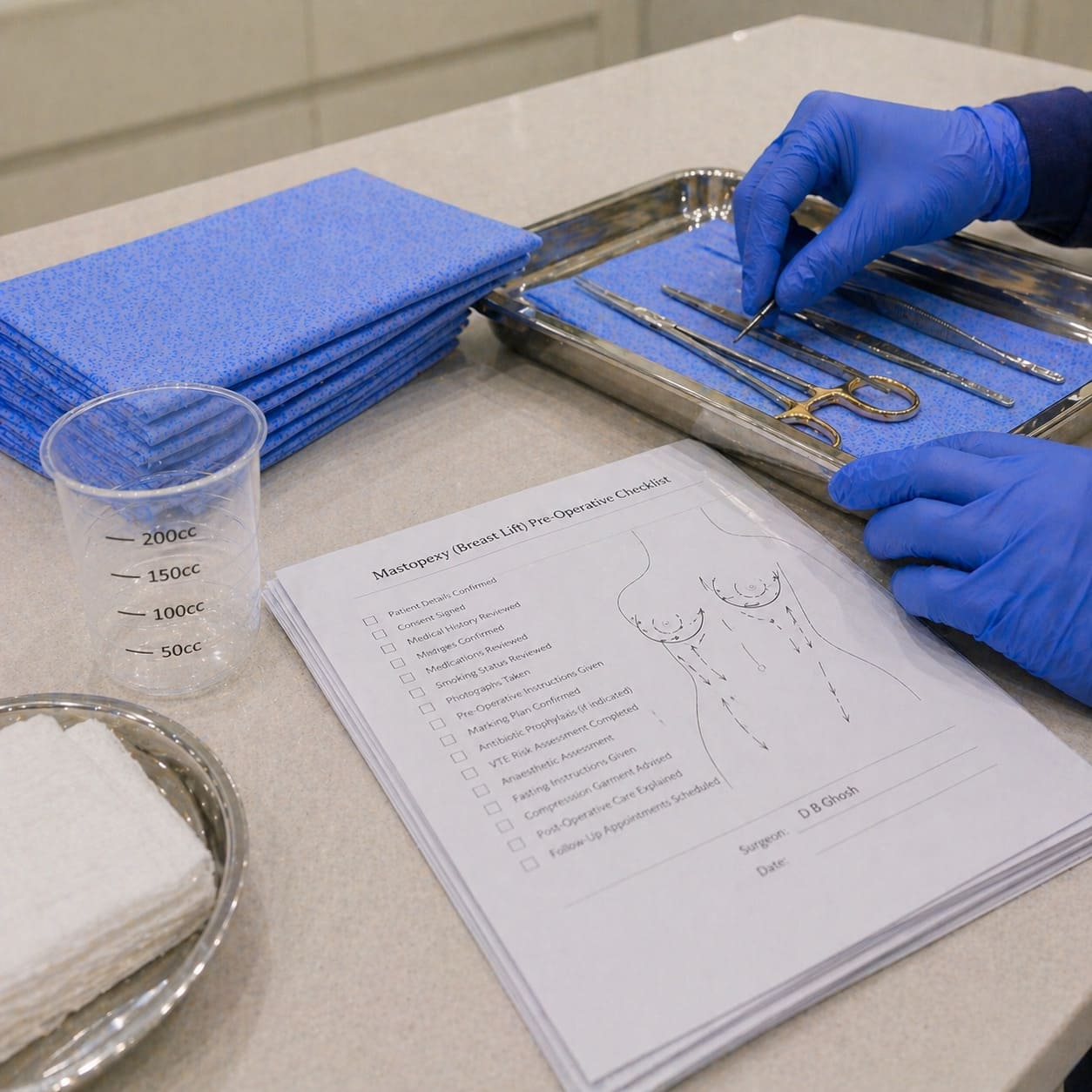
Making the Decision: What to Expect and How to Prepare
Once a decision is leaning in one direction, the next stage is usually practical planning. The pathway may vary between clinics and hospitals, including NHS and private settings, but the broad sequence is familiar.
- Consultation and examination confirm whether a lift, augmentation, or both are being considered.
- Pre-assessment reviews general health, medications, smoking status, and fitness for anaesthetic.
- Consent discussions cover the intended result, scars, risks, recovery, and possible alternatives.
- Surgery takes place with a plan for early follow-up and ongoing review during recovery.
Preparation often includes adjusting medication if advised by the treating team, arranging support at home for the first few days, and planning time away from work or childcare duties. Smoking cessation is particularly relevant because wound healing and blood supply matter in breast surgery, especially in lifts where skin and nipple position are being changed.
On the day of surgery, markings are usually made before the operation because breast shape is assessed most accurately while standing. After surgery, dressings and a supportive bra are commonly used, and movement is gradually increased over the following days and weeks according to the procedure performed.
Recovery milestones differ. Implant-only surgery may feel different from mastopexy, and combined surgery can involve a longer settling period. Swelling, temporary asymmetry, and scar maturation all evolve over time, so the early result is rarely the final result.
Occasionally, plans change between the first consultation and surgery. Fresh imaging, a revised implant preference, a shift in personal priorities, or a better understanding of scar trade-offs may all influence the final choice. That flexibility is sensible, whether care is delivered in a one-stop breast clinic, a specialist cosmetic setting, or a hospital unit such as the Royal Free Hospital Breast Unit where breast assessment pathways are already familiar.
Expert breast surgery advice from a leading London consultant with over 30 years of experience.
Book ConsultationBeyond the Decision: Rethinking Breast Surgery Choices
Choosing between a breast lift, augmentation, or both is rarely just a technical decision. Personal goals sit alongside anatomy, and those goals can shift with time. A result that felt ideal at one stage of life may feel less relevant later, especially after pregnancy, menopause, weight change, or previous surgery.
Perfection is not a realistic benchmark for breast surgery. Breasts are naturally asymmetrical to some degree, tissues age, and scars form differently from one person to another. Long-term satisfaction usually comes from matching the operation to the actual problem, rather than choosing the most dramatic-sounding option.
Second opinions have a useful place here. They can clarify whether the main issue is volume, position, or both, and they may help if advice has felt rushed or hard to translate into plain English. A multidisciplinary team may also become relevant if there are breast symptoms, previous operations, or separate health concerns that need to be considered before aesthetic planning.
The most grounded decisions tend to come from a simple sequence: identify what bothers you, understand which procedure addresses that issue, and weigh the likely gain against scars, recovery, and future change. Taking a little longer to reach that point is often the most sensible part of the process.