
What is breast augmentation surgery and how is it explained simply?
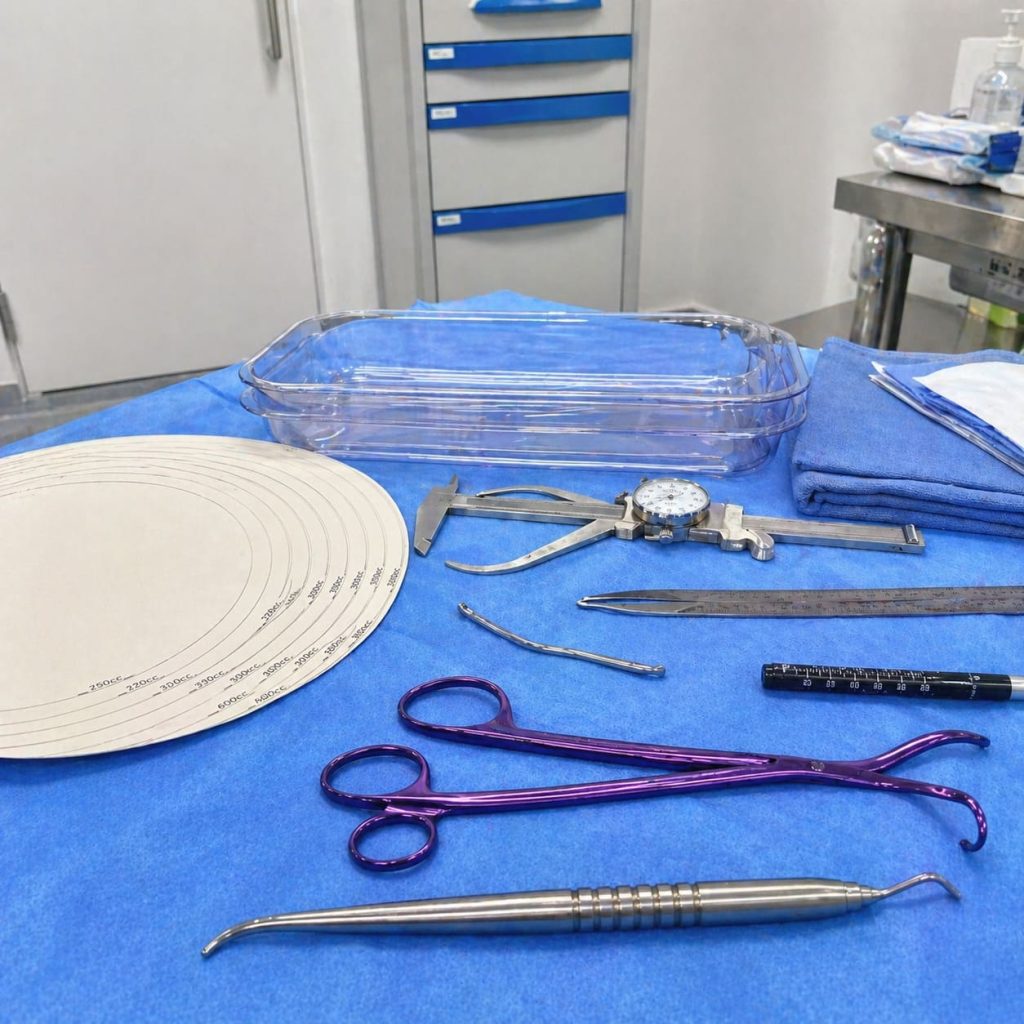
Breast augmentation surgery is a procedure that increases or restores breast size and shape, typically using implants. Often referred to as breast enlargement surgery or breast implant surgery, it is carried out under general anaesthetic. The surgeon places an implant beneath the breast tissue or chest muscle. While commonly associated with cosmetic goals, this surgery is also used for reconstruction following a mastectomy.
This article outlines what the procedure involves and how decisions are made. Further details about implant types and recovery can be found in the dedicated guides linked elsewhere.
Also known as augmentation mammoplasty, this operation is a planned process tailored to a person’s anatomy, motivations, and medical background. It is considered major surgery. It involves incisions, anaesthesia, and recovery, requiring clinical oversight, clear consent, and follow-up care.
People consider the procedure for a range of reasons. Some want better body proportion. Others are responding to changes following pregnancy or weight loss. Many patients seek surgery to address breast asymmetry specifically. These reasons help shape the consultation but don’t determine suitability on their own. NHS guidance, tools from BAPRAS and BAAPS, and MHRA risk materials are used to assess this carefully.
In Dr D B Ghosh’s Harley Street practice, the starting point is always the same: clarify the anatomy, define the aim, and find the safest path to achieve it.
Pro Tip: Always allow time between your consultation and any decision. Rushing the process is rarely helpful.

Why someone might consider augmentation (and what varies)
People consider breast augmentation for both personal and clinical reasons. Some have naturally small breasts. Others lose volume due to life events such as pregnancy or weight change. A common reason is the desire to correct asymmetry.
Key factors include:
Volume and shape: Some patients want increased volume. Others focus on reshaping the breasts.
Symmetry: Augmentation can help where one breast is noticeably different from the other.
Proportion: Most patients want a balanced, natural-looking result.
Psychological readiness: Emotional stability and clear goals are part of the clinical picture.
When surgery is not recommended: If expectations are unrealistic or the timing is unsuitable, surgery may be delayed or not offered.
Motivations differ widely. According to NHS and BAPRAS guidance, what matters is whether the goal is safe and achievable based on structured clinical assessment and shared decision-making.
Book Your Private Breast Consultation
What augmentation can change (and what it can’t)
Augmentation increases breast volume and can adjust shape. However, it cannot correct all asymmetry or reverse the effects of ageing.
A breast augmentation is not the same as a lift. Lifting is used when sagging is the main concern. Implants may restore fullness, but they do not tighten the skin.
Other factors to consider:
Symmetry limitations: Some natural variation will always remain.
Skin and tissue quality: These influence both appearance and durability of results.
Chest shape: The ribcage plays a role in how implants settle.
Sensation: Temporary or permanent changes in breast or nipple sensation can occur.
Myth vs reality: Perfect symmetry is rarely realistic. A good result complements your natural shape rather than aiming for artificial precision.
How a consultant surgeon assesses suitability (the thinking, not the sales)
Consultant surgeons assess suitability using three clinical perspectives:
Anatomy: Breast size, skin elasticity, tissue quality, and chest structure.
Safety: Medical history, current health, medications, and breast symptoms.
Lifestyle: Plans, daily activity levels, and ability to recover comfortably.
This structured approach follows NHS breast pathways and GMC consent standards. If needed, imaging may be recommended, particularly when symptoms are present or anatomy is unclear.
A cooling-off period is always built into the consultation process, giving patients time to reflect before making any final decisions. It is also common, and entirely appropriate, for patients to seek a second opinion – especially if they are still weighing their options.
Consent involves clear documentation, MHRA-based risk discussions, and time for reflection. The goal is informed, safe decision-making with long-term outcomes in mind.
Pro Tip: Ask for your implant details in writing and keep them safe for the future.
What the operation involves (practical overview)
Implant types and placement: a quick explainer
Implants vary in shape and placement. Round implants create even fullness. Anatomical (or teardrop) implants provide a gradual slope. Placement options include:
Subglandular: Behind the breast tissue, above the muscle.
Submuscular: Beneath the chest muscle.
The best approach depends on your body, goals, and lifestyle. This is discussed fully during your consultation.
The procedure step by step
Anaesthetic: General anaesthetic is administered.
Incision: A cut is made – usually under the breast, around the areola, or in the armpit.
Pocket creation: A space is created beneath the breast or muscle.
Implant placement: The implant is inserted into position.
Closure: The incision is closed with dissolvable stitches.
Dressings: Sterile dressings are applied.
Recovery: Patients are monitored after surgery and usually go home the same day.
Specifics about implant types and placement are covered in separate guides. Some patients consider fat transfer to the breasts as an alternative to using implants. This is discussed in our article on fat transfer versus implants.
Recovery and follow-up (high-level only)
Recovery varies but generally follows these stages:
Early phase
Tightness and swelling are common
A supportive bra is usually recommended
Intermediate phase
Light activities can begin gradually
Avoid heavy lifting and vigorous exercise
Settling phase
The final result takes shape over several months
Follow-up
Appointments are scheduled to monitor healing and offer support
Aftercare after breast implants is a key part of the process. Plans are personalised, and further detail is available in our recovery timeline article.
Explore Safe Cosmetic Surgery Options
Risks and longer-term considerations (overview, not a deep dive)
A brief breast implant risks overview helps patients weigh their options carefully and understand long-term planning.
All surgery carries risk. With breast augmentation, those risks are often grouped as follows:
Common
Swelling
Bruising
Discomfort
Temporary numbness
Less common
Implant shifting
Capsular contracture (tightening scar tissue)
Ongoing discomfort
Rare but important
Implant rupture
Revision surgery
BIA-ALCL (a rare cancer linked to textured implants)
Breast implants are not lifetime devices. Over time, some patients choose or need revision surgery – to update the implant or manage complications. This is part of long-term planning and should be expected.
The MHRA, BAAPS, and BAPRAS provide thorough risk awareness tools. These support structured discussions and fully documented consent.
Breast health and screening after augmentation
Routine breast screening remains essential.
Tell the radiographer: Always mention if you have implants, so they can adjust imaging as needed.
Report new symptoms: Lumps, changes in shape, or pain should be assessed promptly.
Family history: If relevant, your screening may include ultrasound or MRI.
Breast screening with implants is safe and effective when the right steps are taken. Standard methods such as triple assessment (exam, imaging, biopsy) still apply.
Common misconceptions (gently corrected)
Understanding breast augmentation expectations clearly helps reduce confusion and support better outcomes.
“I can choose a cup size online”: Implant selection depends on body measurements, not bra size.
“They’ll look perfect straight away”: Swelling and settling take time.
“Implants last forever”: Most need reviewing or replacing over time.
“I can’t have mammograms”: You can – the process is simply adjusted.
“Everyone says it’s unbearable”: Recovery varies. While some people report intense discomfort, these extreme experiences are not typical for most patients.
Accurate, calm information helps manage expectations and reduce anxiety.
Closing: reassurance rooted in process (not promises)
A good outcome depends on the right fit – not only in terms of implants but also in timing, expectations, and trust in the process. If you’re searching for a consultant breast surgeon in London, prioritising breast health and informed consent is key.
Breast augmentation is a well-defined procedure. It involves thorough assessment, clear planning, and follow-up. Results vary, and that’s a normal part of thoughtful, patient-led care.
Patients who see Dr D B Ghosh in Harley Street often say the most helpful part is having the options and trade-offs explained in a clear, breast-health-first way.