Does summer change how breast surgery should be planned?
Summer can affect breast surgery planning, but it does not automatically make surgery a poor idea. Timing usually depends on the reason for surgery, the expected recovery, clinic and hospital scheduling, travel plans, family support, and how comfortable recovery is likely to be in warmer weather. Heat may make swelling, dressings, and supportive bras feel more uncomfortable, yet safe surgery and recovery are possible in summer with sensible planning.
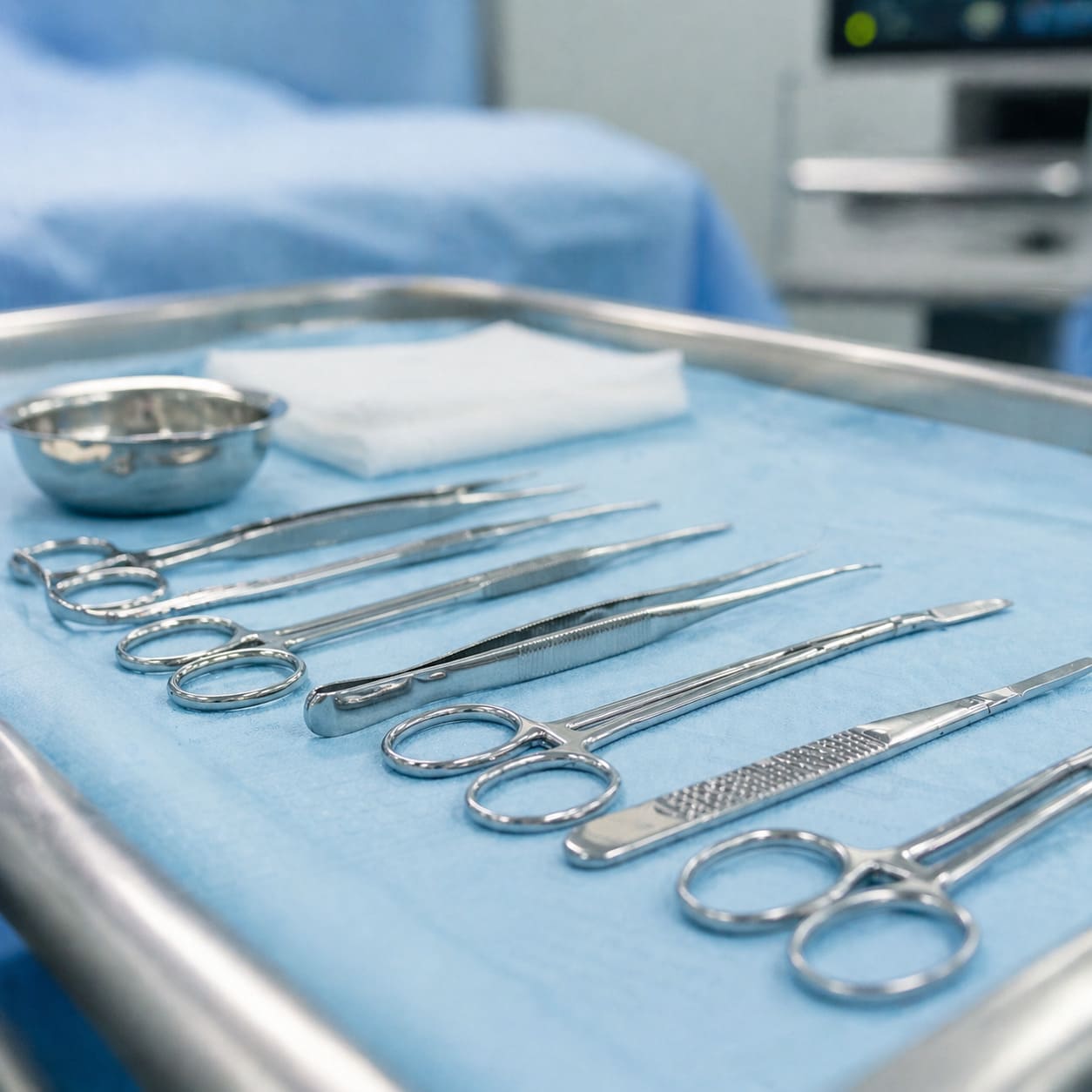
Understanding the impact of summer on breast surgery planning
Summer often prompts practical questions that do not arise as sharply at other times of year. School holidays, annual leave, family travel, weddings, and work cover can all influence when someone feels able to have surgery. At the same time, breast surgery clinics and hospitals may also be working around staff leave, theatre capacity, and multidisciplinary team scheduling.
Medical timing still comes first. If surgery is being planned for breast cancer or for a concerning diagnosis after assessment, the date is usually shaped by what is clinically appropriate rather than by the season. If surgery is elective, there may be more room to weigh personal commitments against recovery time.
No single season is always best or worst. Some people prefer summer because work slows down or children are away from school. Others find winter easier because loose layers, cooler temperatures, and fewer social events make recovery more straightforward. The useful question is usually not whether summer is good or bad, but whether the plan fits the surgery, the likely healing period, and the life around it.
Across both NHS and private hospitals, breast surgery timing is also linked to imaging, biopsy results, theatre lists, and follow-up arrangements. A planned date may look simple on paper, yet the wider pathway matters just as much as the operation itself.
Heat, healing, and surgical recovery: what changes in summer?
Warm weather can make recovery feel harder even when healing is progressing normally. Swelling may feel more noticeable, dressings can become uncomfortable more quickly, and a post-operative bra may feel hot against sensitive skin.
Heat does not automatically cause complications, although it can add practical challenges. Sweating around the chest or under the breast may irritate the skin. Reduced comfort may also make sleep more difficult, which can leave people feeling more tired during the first part of recovery.
A few simple points often make summer recovery easier:
- Keep the wound area clean and dry, following the hospital’s wound care instructions exactly.
- Choose loose, breathable clothing that does not rub against the surgical site.
- Drink enough fluid, especially during hot weather, unless a clinician has advised otherwise.
- Avoid direct sun on healing scars and dressings.
- Rest in a cool room where possible, particularly during the hottest part of the day.
Hospital wound care protocols and infection control guidance exist for every season, so the principles do not change because it is summer. What changes is comfort, moisture on the skin, and how much attention daily routines may need. A snug post-operative bra that felt manageable in spring can feel much more noticeable during a warm spell.

Expert advice on breast cancer treatment, cosmetic breast surgery, and reconstruction options in London.
Book a ConsultationTiming surgery: balancing medical, personal, and lifestyle factors
Choosing a surgical date often involves more than finding a free week in the diary. Clinical urgency, home life, work responsibilities, and travel plans all have a part to play.
If surgery is being planned for a cancer diagnosis, the consultant breast surgeon and multidisciplinary team usually advise on a timeframe that supports safe treatment. In that setting, delaying for a holiday or family event may not be sensible. By contrast, surgery for benign breast conditions, revision procedures, risk-reducing surgery, or cosmetic work may allow more flexibility.
Personal logistics matter because early recovery usually requires a quieter routine than many people expect. Lifting, driving, sleeping comfortably, washing, and getting dressed can all feel awkward for a period after surgery. Someone with young children at home during the school holidays may need more support than they would at another time of year.
Work patterns can be just as important. A desk-based role may allow an earlier return than a job involving lifting, travel, uniform wear, or long hours on the move. Summer can complicate this in small but important ways, including commuting in heat, managing drains or dressings under clothing, or attending work events before swelling has settled.
Travel deserves special thought. Flights, long car journeys, and time away from the treating team may be difficult soon after surgery. That applies whether the operation is on the NHS or in a private setting. If a trip is already booked, the safest plan is often based on the expected recovery needs of the specific procedure rather than on a hoped-for quick return to normal.
Plan your recovery space by setting up a cool, comfortable area with easy access to fluids and loose clothing before your surgery date.

Heat-related risks and how to minimise them
Summer recovery usually calls for a little more attention to skin care, wound care, and the environment around you. Most concerns are manageable, but they are easier to deal with if recognised early.
Common heat-related issues include:
- Sweat building up under dressings or in the fold beneath the breast
- Skin irritation from bras, padding, or adhesive tapes
- Heat rash on the chest wall or upper abdomen
- Feeling washed out because of dehydration
- Greater discomfort from swelling in warm conditions
Practical prevention is often straightforward. Keep indoor spaces cool where possible. Change into clean, loose clothing if sweating increases. Follow discharge instructions on showering, dressing changes, and bra wear instead of improvising. If a dressing becomes loose, damp, or soiled, ask the treating team what should happen next rather than trying to manage it without guidance.
Signs that need medical advice are not unique to summer, but they can be harder to interpret in hot weather. Spreading redness, increasing pain, discharge from the wound, fever, or swelling that is clearly worsening should be discussed with the hospital or surgical team. A feeling of warmth on the skin after surgery can be normal, whereas a wound that looks increasingly inflamed needs proper review.
Air conditioning or a fan may improve comfort, especially at night, although airflow should not be seen as wound treatment in itself. The main aim is to keep the body comfortable enough for rest, hydration, and sensible wound care.
Recovery timelines and realistic expectations for summer surgery
Recovery after breast surgery varies with the procedure, the reason for surgery, general health, and whether reconstruction is involved. Summer does not rewrite those timelines, although it may change how recovery feels day to day.
During the first few days, soreness, stiffness, bruising, and tiredness are common after many breast operations. Warm weather can make rest less refreshing, and some people notice that swelling feels more obvious by late afternoon or evening. A cool environment and regular fluids can make this phase easier to tolerate.
Over the following couple of weeks, many people start moving more comfortably, although they may still need to avoid heavier lifting, strenuous exercise, swimming, and long periods of driving. If there are dressings, drains, or a compression bra, holiday plans may need adjusting. Beach days, sun exposure, and fitted summer clothes often need to wait longer than expected.
Scars and swelling settle over a longer period. Early scars can look pink or firm, and breast shape may alter gradually as tissues soften. Summer events sometimes create pressure to look or feel recovered by a specific date, yet healing rarely follows a social calendar. A wedding, holiday, or reunion may still be enjoyable, but the body may be in an earlier stage of recovery than clothing choices or photographs would suggest.
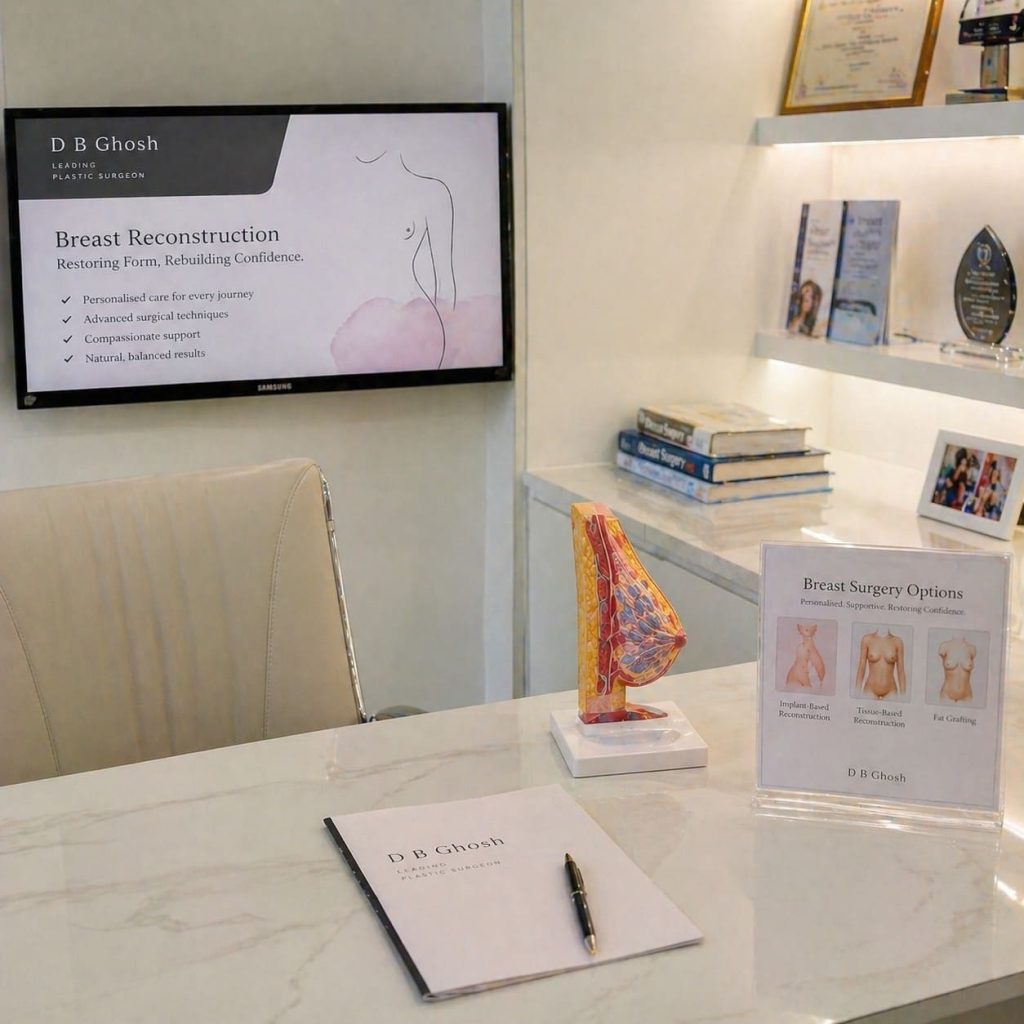
Reconstruction can extend the timeline further. Implant-based reconstruction and autologous reconstruction each bring their own recovery pattern, and revision surgery can have its own pace as well. That is one reason consultant-led planning matters, including at D B Ghosh Breast Surgeon Specialist in Cancer and Cosmetic Surgery Harley Street London, where the discussion may need to cover both oncological and reconstructive timing in the same conversation.
Discuss any upcoming travel or events with your surgical team well in advance so adjustments can be made confidently.

Questions to ask your surgeon when planning summer breast surgery
Good questions can make a consultation more useful, especially when summer plans are already in the diary. The aim is to understand the likely recovery pattern and how it fits with your specific operation.
- Is the timing of my surgery mainly driven by clinical need, or is there flexibility?
- How long should I expect swelling, discomfort, and reduced arm movement to affect daily life?
- Will hot weather change how I need to manage dressings, bras, or wound care?
- When would travel, driving, swimming, and exercise usually be discussed after this operation?
- If I already have a holiday or family event booked, how might that affect planning?
- Who should I contact if I have concerns during a weekend or holiday period?
- Will I need follow-up appointments, dressing reviews, or pathology discussions at set times after surgery?
- Are there any features of my procedure, including reconstruction or lymph node surgery, that make summer recovery more complicated?
A one-stop breast clinic can also be helpful at the assessment stage, because imaging, examination, and biopsy planning may happen in a coordinated way. That can reduce uncertainty about the pathway before any decision on timing is made.
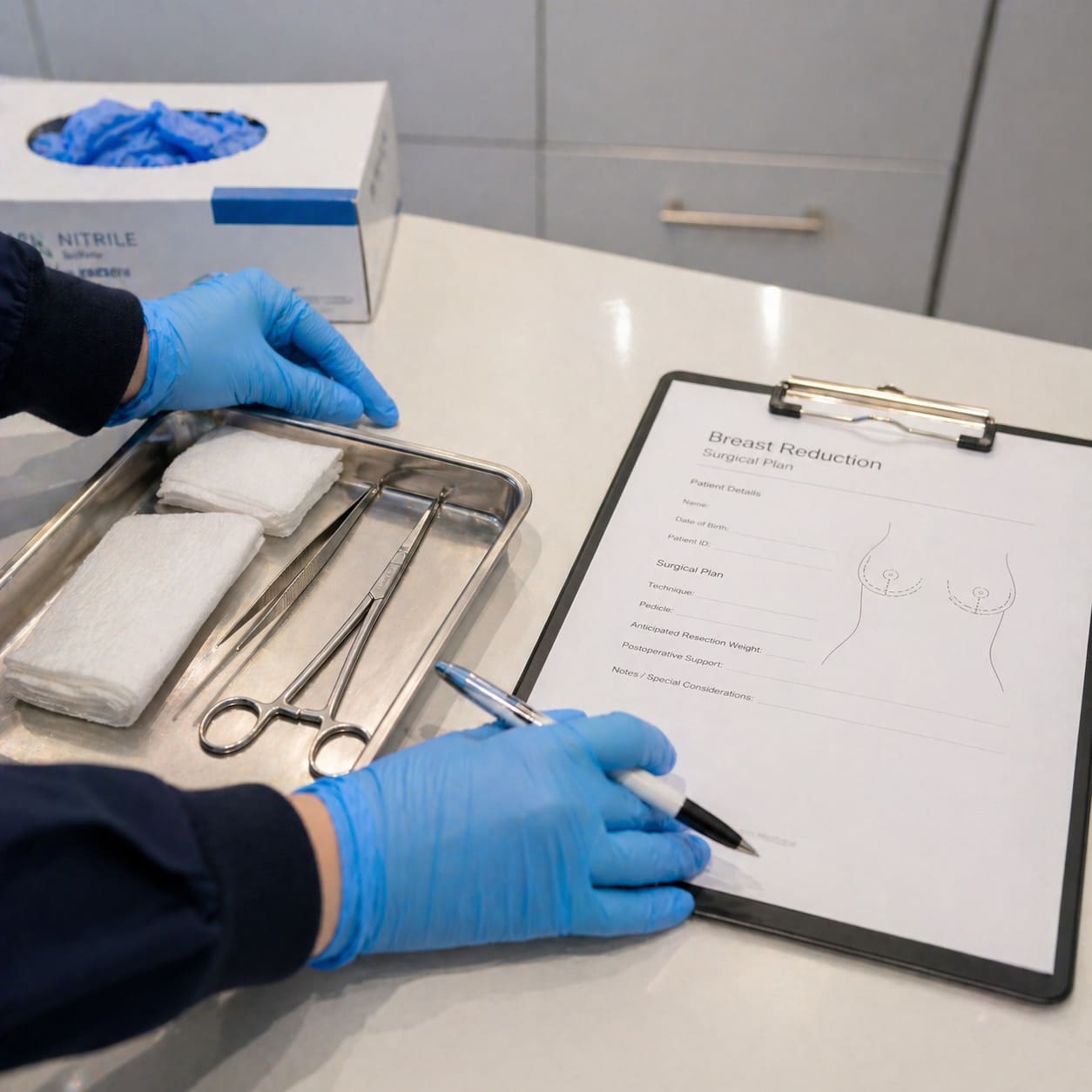
Common misconceptions about summer breast surgery
Several ideas about seasonal surgery are widely repeated, but they are often too simplistic to be useful.
Some people assume that summer is always a bad time for breast surgery. In practice, surgery can be planned safely at any time of year if the clinical pathway, follow-up, and recovery support are in place.
Another common belief is that heat guarantees infection or poor healing. Warmer weather can make skin care and comfort more difficult, yet infection risk depends on many factors, including the type of surgery, wound management, general health, and whether concerns are identified promptly.
Others expect warmer weather to speed recovery. Tissues heal according to biology and the procedure performed, not because the season feels pleasant. Sunshine may lift mood, but it does not shorten the normal stages of bruising, swelling, scar maturation, or restricted activity.
A further misconception is that surgeons and hospitals are largely unavailable in summer. Annual leave can affect scheduling, although breast surgery services continue, and cover arrangements are part of normal hospital practice. NHS patient information and hospital scheduling teams work within those routines every year.
Expert breast surgery advice from a leading London consultant with over 30 years of experience.
Book ConsultationLooking ahead: making informed choices for safe summer surgery
Summer surgery planning works best when the season is treated as one factor among many, not as the deciding factor on its own. Clinical need, the type of operation, likely recovery demands, and the support available at home usually matter more than the month on the calendar.
Careful timing can still make a meaningful difference to comfort and practicality. A person recovering during a heatwave may need a cooler room, looser clothing, and more attention to hydration than they expected. Someone planning reconstruction may need to think ahead about travel, scar care, and how long it may take before summer activities feel realistic again.
Evidence-led planning and shared decision-making are the steadying parts of the process. Seasonal myths tend to fade once the discussion becomes specific to the operation, the pathology, and the person having surgery. In that setting, summer is neither a special advantage nor a special obstacle. It is simply a context that deserves sensible preparation.